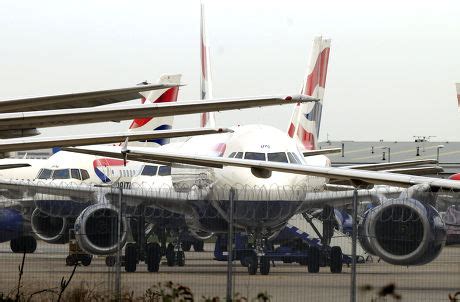
As tensions surge in the Middle East, the global aviation industry faces a fresh wave of disruption. British Airways, Air Canada, and United Airlines have officially suspended all flights to Dubai and Doha, citing security concerns following a new escalation in regional hostilities. This sweeping move underscores the volatile geopolitical climate that continues to endanger civilian air travel routes across the Gulf and broader West Asia.
The catalyst for these suspensions came after the United States launched airstrikes on Iranian nuclear facilities in the early hours of June 22, prompting a series of retaliatory moves and heightened military activity between Iran and Israel, including further operations in Gaza. The escalation has dramatically reshaped risk assessments for flights crossing over or near the Gulf states, compelling international carriers to adopt unprecedented safety-first policies.
Flight Suspensions Triggered by Regional Instability
British Airways, one of the world’s leading full-service carriers, confirmed the immediate cancellation of all flights from London Heathrow (LHR) to Dubai and Doha scheduled for June 22, including return legs. In an official statement to The National, the airline stated: “Our teams continue to keep the situation under review,” affirming that the safety of passengers and crew remains its utmost priority. The airline also suspended services to Bahrain until the end of June, further illustrating the airline’s broad recalibration of its Middle East operations.
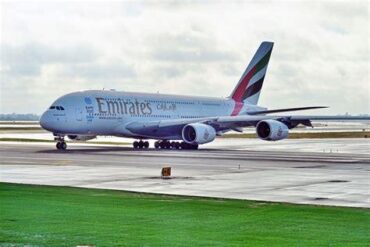
These suspensions are not isolated. Air Canada and United Airlines have followed suit, halting all commercial flights to Dubai, while American Airlines has ceased operations to Doha. The industry-wide action signals a coordinated response to what aviation experts describe as one of the most dangerous flare-ups in the region since the Gulf War era.
Immediate Passenger Impact and Airline Contingencies
Passengers booked on the now-cancelled routes are facing unexpected disruption. British Airways has assured affected travelers that they will be contacted directly and offered flexible rebooking options, including the ability to reschedule their flights until July 6 without additional charges. Such contingency plans are designed to provide customers with alternatives while allowing the airline to maintain safety compliance.
Further illustrating the operational challenges, a British Airways flight from Chennai to London had to reroute mid-air, less than an hour after takeoff, in direct response to the escalating military activity. Another flight, en route over Saudi Arabian airspace, was diverted to Zurich, highlighting the real-time, dynamic nature of airspace risk management.
Global Aviation Adjusts to Avoid Conflict Zones
The suspension of routes into high-risk zones marks only part of the evolving strategy. Global carriers are now bypassing critical airspace corridors over Iran, Iraq, and Syria, instead choosing longer but safer paths over the Caspian Sea, Egypt, and Saudi Arabia. These detours, while essential for safety, introduce significant operational costs, including increased fuel consumption, longer flight durations, and scheduling strain across global hubs.
According to flight tracking platforms such as Flightradar24, a noticeable shift in air traffic has occurred since the June 22 strikes. Several North American and European carriers are actively rerouting both passenger and cargo aircraft, creating bottlenecks and congestion in some of the newly preferred corridors.
Compounding the problem are pre-existing airspace closures over Eastern Europe due to the ongoing Russia-Ukraine conflict, which has already strained commercial aviation’s routing flexibility. The Middle East, historically a vital crossroads for Europe-Asia traffic, is now becoming a dangerous bottleneck, forcing airlines to adopt dynamic flight strategies while staying agile in their decision-making.
Risk Advisories and Government Warnings Intensify
Aviation risk management agencies, most notably Safe Airspace, have issued high-level warnings for operations in and around Middle Eastern conflict zones. Their advisories call for maximum caution, suggesting that airlines either fully avoid or limit operations to daylight hours with contingency reroutes planned in advance.
In tandem, the U.S. Federal Aviation Administration (FAA) released updated advisories to all U.S.-based carriers, urging them to steer clear of Iranian and Iraqi airspace and consider using alternative flight corridors. The FAA has reiterated that maintaining up-to-date intelligence and coordination with military flight control is now critical to the safety of commercial aviation.
Stranded Travelers and Emergency Diplomatic Actions
One immediate consequence of the airline withdrawals is the stranding of thousands of travelers across the Gulf. Many passengers with return bookings from Dubai, Doha, and Manama have found themselves without viable options as commercial flights dry up. Some travelers are being rebooked through third-country connections, while others are turning to regional land-based alternatives, including travel to Saudi Arabia or Oman for indirect departures.
In response, embassies and consulates of multiple nations, including the U.S., Japan, and New Zealand, are coordinating emergency evacuation flights and offering assistance to stranded nationals. Temporary travel documents, emergency transportation, and chartered government-operated flights are being deployed in high-risk zones. As the situation intensifies, the role of diplomatic missions is becoming pivotal to ensuring civilian safety.
Broader Strategic and Economic Implications for Aviation
The latest crisis adds further complexity to an aviation industry already grappling with post-pandemic recovery, rising fuel costs, and pilot shortages. Airlines, particularly long-haul carriers reliant on transcontinental connectivity through the Gulf, now face route realignments that impact hub economics, especially for major airports in Dubai, Doha, and Abu Dhabi.
Financial analysts predict a ripple effect across aviation stocks, with shares of IAG (British Airways’ parent company), Air Canada, and United Airlines Holdings showing signs of volatility in early trading. Aviation insurers are also recalculating risk premiums, especially for aircraft flying over conflict-affected zones, pushing up the cost of operations.
Industry experts point to historical parallels with previous Gulf conflicts, where prolonged tension led to years of adjusted flight paths, passenger hesitancy, and rising airline insolvencies in smaller regional markets. While the current landscape is more technologically advanced and better monitored, the unpredictable nature of asymmetric warfare in the region remains a core risk factor for commercial aviation.
Airline Strategy Moving Forward
For now, major international airlines are taking a wait-and-assess approach, continuously updating their internal risk models. Real-time intelligence, satellite monitoring, and coordination with national aviation authorities are playing an increasingly critical role in determining route feasibility.
Several carriers are exploring dual-leg operations, where flights are pre-cleared for multiple reroute contingencies, allowing pilots to choose safer paths based on up-to-the-minute data. Meanwhile, ground operations teams are bolstering crew briefing protocols, ensuring that flight crews are well-informed on dynamic flight plans and potential midair adjustments.
British Airways has stated that “the situation is fluid, and our priority remains the safety of our customers and colleagues.” The airline is also leveraging its global alliance networks to offer code-shared rebooking options through secondary hubs in Istanbul, Athens, and Delhi, ensuring minimal interruption to passenger itineraries.
Conclusion: A Critical Juncture for Global Aviation
As the Middle East crisis deepens, the ripple effects on international aviation are becoming more profound. What began as a response to military strikes has evolved into a complex, multidimensional challenge involving security, diplomacy, logistics, and economic viability. Airlines that operate globally now face an increasingly difficult balancing act: ensuring operational continuity while prioritizing the absolute safety of their passengers and crew.
The evolving crisis demands swift, informed action. Carriers are now operating in an era where geopolitical flashpoints can paralyze vast swathes of international airspace within hours. In this environment, strategic foresight and adaptability will determine not just profitability, but survival.
Travelers planning trips to or through the Middle East are urged to stay in constant contact with their airline, monitor government travel advisories, and maintain flexible travel arrangements in case of sudden schedule changes. As the skies grow more uncertain, preparedness and timely information are the only constants.