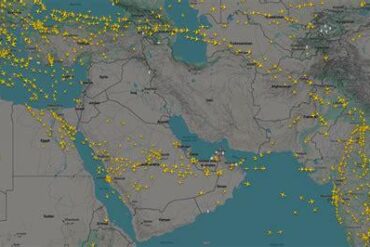
The ongoing conflict between Israel and Iran is sending shockwaves through the global aviation sector, particularly affecting air travel between Asia and Europe. As tensions escalate and airspace restrictions become increasingly stringent, major airlines, including Qatar Airways, Emirates, FlyDubai, Etihad, Singapore Airlines, Cathay Pacific, Thai Airways, Malaysia Airlines, China Airlines, and Japan Airlines, are forced to reroute their flights through Dubai International Airport (DXB). This shift not only complicates travel logistics but also significantly impacts the European tourism sector, which is already reeling from the aftereffects of the pandemic.
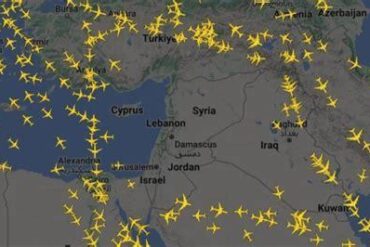
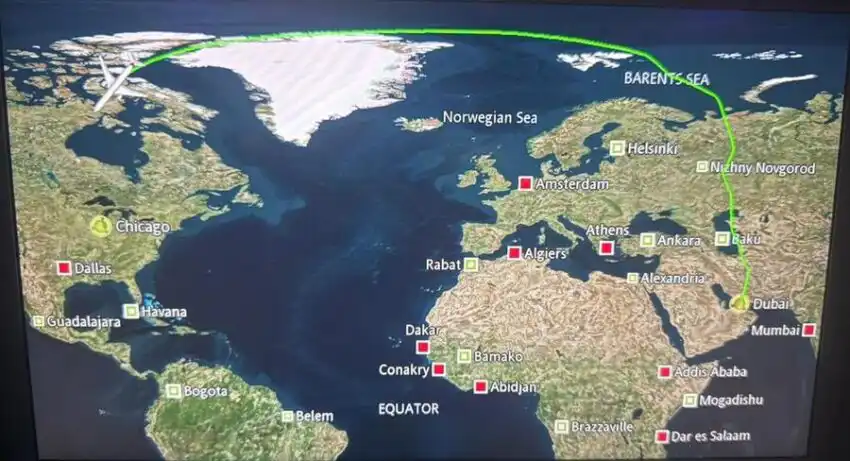
Airlines that typically navigate the busy air corridors over the Middle East are now facing unprecedented challenges. The regions of Israel, Iraq, Iran, and Syria—once integral to connecting flights between Asia and Europe—are now deemed unsafe, leading to substantial adjustments in flight paths. Consequently, these reroutes through DXB result in longer travel times, increased delays, and heightened operational costs, all of which ripple through the travel experience for passengers.
The Impact of Conflict on European Tourism
The ramifications of the conflict extend far beyond the immediate area; they are felt acutely within Europe’s tourism sector. The escalation in hostilities has made travel planning unpredictable, forcing travelers to reconsider their itineraries. With airlines avoiding traditional routes, travelers from Asia to key European cities such as London, Paris, and Frankfurt are now facing longer journeys and potential disruptions.
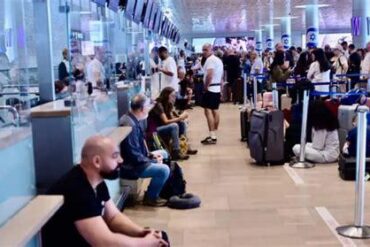
Travelers who once enjoyed straightforward connections can now expect lengthy layovers at DXB, where congestion is mounting due to the sudden influx of rerouted flights. For instance, Qatar Airways and Emirates—two of the largest carriers operating from DXB—have reported a surge in delays and cancellations due to the heightened volume of air traffic. Travelers are finding that their itineraries may now involve additional hours of transit time, with the potential for missed connections becoming a more common scenario.
Dubai International Airport: Ground Zero for Disruptions
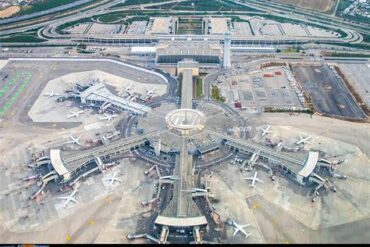
Dubai International Airport (DXB), one of the busiest airports worldwide, has swiftly transformed into the epicenter of this travel crisis. With over 500 flight disruptions reported in just a few days—comprising 150 cancellations and more than 350 delays—the airport is grappling with the consequences of rerouted flights. As congested air corridors become the norm, airlines are compelled to utilize smaller airways, exacerbating the traffic situation.
The operational strain on DXB is palpable, with airlines struggling to accommodate the influx of diverted flights. This congestion not only affects the airlines’ schedules but also places an overwhelming burden on airport facilities and services. As business travelers contend with tight schedules, budget-conscious tourists find themselves grappling with the added stress of rising costs and extended travel times.
Major Airlines Affected by Flight Rerouting
The following airlines have been significantly impacted by the current crisis, adjusting their routes to navigate the shifting landscape of air travel:
- Emirates Airlines: Known for its extensive network, Emirates operates flights from various Asian cities, including Tokyo, Seoul, Bangkok, and Kuala Lumpur, to major European destinations like London, Paris, and Frankfurt. The rerouting through DXB has led to extended travel durations and increased waiting times.
- Qatar Airways: This airline connects numerous Asian hubs such as Hong Kong, Beijing, and Jakarta to European capitals, with stopovers in Dubai. The current airspace restrictions have necessitated significant changes in their flight paths, resulting in longer travel times.
- FlyDubai: Operating from cities like Kathmandu, Colombo, and Dhaka, FlyDubai’s flights to Europe via DXB are now experiencing cancellations and delays due to rerouted traffic.
- Etihad Airways: With connections from cities such as Mumbai and Delhi to European cities like London, Paris, and Frankfurt, Etihad is also facing similar challenges due to the ongoing conflict.
- Singapore Airlines, Cathay Pacific, Thai Airways, Malaysia Airlines, China Airlines, and Japan Airlines have similarly adjusted their operations, rerouting flights through DXB and encountering the consequent delays and increased travel durations.
Rising Costs of Air Travel
As airlines navigate the complexities of rerouted flights, passengers are facing not just logistical hurdles but also financial implications. The longer flight routes, necessitated by the avoidance of conflict zones, consume more fuel, thereby increasing operational costs for airlines. Consequently, these expenses are likely to be passed on to travelers, leading to a rise in ticket prices.
For business travelers, who often have flexible budgets, the increased costs may be manageable, but budget-conscious travelers are feeling the pinch acutely. What was once a reasonably priced flight is now becoming a luxury for some, compounding the stress of travel during an already turbulent time. Moreover, the conflict has created a cascading effect on travel-related services such as car rentals and accommodation, particularly in cities that serve as major transit points.
Strain on European Airports
With rerouted flights inundating airports like London Heathrow, Frankfurt, and Paris Charles de Gaulle, the strain on these already busy hubs is undeniable. Passengers arriving from Asia, especially those connecting through DXB, are met with longer wait times and the risk of missed connections. These delays not only frustrate travelers but also create logistical challenges for airport operations.
The pressure on European airports is compounded by the fact that they are crucial to many economies reliant on tourism. Cities such as London, Paris, and Barcelona—which thrive on international visitors—are seeing a direct impact on their tourism industries. The uncertainty surrounding flight schedules is causing many potential travelers to reconsider their plans, leading to a decline in arrivals and a potential downturn in the local economy.
The Uncertainty of Air Travel
The long-term effects of the Israel-Iran conflict on Europe’s tourism landscape hinge on the evolving situation in the Middle East. Should tensions persist or escalate further, more airspace could be closed, prompting airlines to adjust their schedules once again. This potential for continued disruption raises the specter of further cancellations and delays.
Travelers are left to navigate an unpredictable environment, making it increasingly challenging to plan trips well in advance. The turmoil underscores the vulnerability of global air travel to geopolitical conflicts, as well as the interconnectedness of the world’s aviation systems. As Europe strives to recover from the pandemic, this disruption poses a significant obstacle that could hinder progress.
Conclusion: Europe’s Tourism Faces Challenging Times
In conclusion, the ongoing conflict between Israel and Iran is wreaking havoc on the aviation landscape, with Qatar Airways and other major airlines forced to reroute their flights through Dubai International Airport. This situation has led to increased delays, longer travel times, and rising costs for travelers heading to Europe. While business travelers may absorb these changes more easily, budget travelers are feeling the financial strain as ticket prices climb.
The impact on European airports and tourism-related businesses is profound, particularly at a time when the industry was poised for recovery. As the situation continues to unfold, it is clear that the conflict in the Middle East is not merely a regional issue—it has evolved into a significant global travel crisis, one that could have lasting effects on the tourism sector in Europe if stability is not restored soon. For those planning trips to Europe, staying informed and remaining flexible with travel plans is essential as uncertainty looms over the skies.