In a significant response to recent U.S. military strikes on Iranian nuclear facilities, major airlines including United, American, Delta, Lufthansa, Swiss, and Air France have implemented urgent rerouting measures to avoid conflict zones across the Middle East. This decisive action reflects escalating safety fears among global carriers, which are now altering flight paths to ensure the security of their passengers and crew amidst rising geopolitical tensions. The situation underscores how military actions can profoundly impact international travel dynamics, especially in regions marked by instability.
The U.S. military’s targeted strikes have not only escalated tensions but also triggered retaliatory threats from various factions, leading to heightened concerns over missile and drone activities in the skies above the Middle East. As regional unrest intensifies, many airlines are proactively taking measures to circumvent high-risk airspace, reshaping traditional travel routes through and around this volatile region.
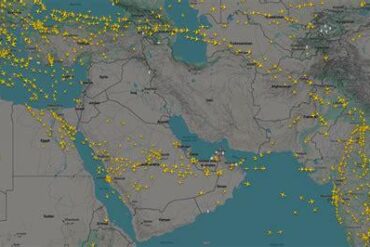
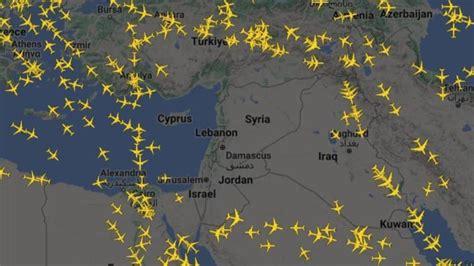
Flight tracking data from FlightRadar24 reveals that airlines are now steering clear of key airspace zones over Iran, Iraq, Syria, and Israel. Instead of following typical direct routes, many carriers are opting for detours that divert northward via the Caspian Sea or southward through Saudi Arabia and Egypt. While these rerouted paths may increase flight durations and operational costs due to added fuel consumption and staffing requirements, the priority remains the safety of passengers and crew amidst the escalating geopolitical unrest.
Among the U.S. airlines, United Airlines has taken the precautionary step of suspending its daily flights between Newark and Dubai. This decision was made in light of the ongoing regional instability and the associated risks. American Airlines has similarly halted its Philadelphia-to-Doha route, maintaining this suspension at least through June 22. Delta Air Lines has canceled its service between New York and Tel Aviv, with plans to keep this route suspended until at least the end of August. These moves represent a broader trend among American carriers to avoid potential exposure to conflict zones, signaling a new operational reality in commercial aviation.
As concerns mount, European airlines are also adapting swiftly to the heightened risks. Lufthansa, Germany’s flagship carrier, has suspended all services to Tel Aviv, Tehran, and Beirut until July 31, along with additional service pauses to Amman and Erbil until mid-July. Swiss International Air Lines, part of the Lufthansa Group, has halted flights to Tel Aviv through October and to Beirut through the end of July. Air France has indefinitely canceled its operations to Tel Aviv, while KLM has suspended services until July 1. Such widespread adjustments illustrate the seriousness with which European carriers are treating the growing security threats in the Middle East.
Budget airlines are not immune to these disruptions either. Ryanair has canceled all flights to Tel Aviv through September 30, and Wizz Air has suspended operations to both Tel Aviv and Amman until mid-September. Other low-cost carriers, such as Transavia and Air Europa, have also halted flights to various destinations in the Middle East, indicating that the impact of the current geopolitical climate is felt across all tiers of the airline industry.
Middle Eastern airlines, typically vital for regional connectivity, have not escaped the operational strain. Emirates Airlines has suspended flights to Amman and Beirut through June 22, with operations to Tehran, Baghdad, and Basra halted until June 30. Flydubai has also ceased flights to Israel, Iran, Iraq, and Syria until the end of the month, offering limited services to Jordan and Lebanon during daylight hours for enhanced safety. Qatar Airways has temporarily canceled routes to Iran, Iraq, and Syria until mid-June, while Etihad Airways has suspended services to Amman and Tel Aviv through the third week of June. Turkish Airlines has joined the trend, canceling flights to multiple destinations, including Jordan and Iran. Even Saudia, the national airline of Saudi Arabia, has reported extensive disruptions, citing nearly 400 flight delays and cancellations due to airspace restrictions and security complications.
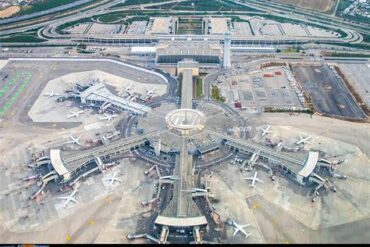
Within Israel, domestic carriers have significantly scaled back their operations. El Al Israel Airlines has ceased all passenger services, including those operated by its subsidiary Sun D’Or, through June 23, conducting only recovery flights for stranded travelers. Similarly, Arkia and Israir have suspended all flights through late June, awaiting further security updates before resuming normal operations. These developments signal a near-total suspension of air travel within the region, reflecting the gravity of the ongoing situation.
The ramifications of these reroutes and cancellations are reverberating throughout the global travel ecosystem. Passengers are facing unexpected delays, extended flight durations, and canceled itineraries, forcing many to make last-minute adjustments or seek alternative carriers operating in less affected regions. Beyond the logistical inconveniences, these sweeping changes underscore deeper concerns about aviation safety and the unpredictable nature of regional conflicts. For many airlines, the imperative to avoid Middle Eastern airspace has become a crucial component of broader crisis response strategies, akin to adjustments made during previous conflicts in Ukraine or North Africa.
In response to the rising dangers, several national governments have stepped in to assist their citizens. Japan and New Zealand have initiated evacuation operations to remove nationals from high-risk zones. Japan has already completed multiple land-based evacuations from Iran to neighboring Azerbaijan, while New Zealand has dispatched a Hercules military transport aircraft on standby to support any necessary evacuations in the coming days. Such governmental interventions highlight the urgent need for safety and security in light of increasing geopolitical tensions.
In conclusion, the escalating conflicts in the Middle East following U.S. military actions have compelled many of the world’s leading airlines—including United, American, Delta, Lufthansa, Swiss, and Air France—to make significant operational changes. As airlines continue to reroute flights and cancel services in an effort to protect their passengers, the global travel landscape faces a period of disruption and heightened vigilance. With geopolitical risks on the rise, commercial aviation is navigating an increasingly complex and volatile environment, where safety has emerged as the paramount concern, surpassing traditional priorities of speed and convenience.