A Boston tourist has survived a terrifying thirty-foot fall toward the erupting Kīlauea volcano in Hawaii, sending shockwaves through the travel community. The tourist, visiting one of Hawaii’s most iconic national parks, lost footing near a cliff edge while trying to glimpse the blazing Kīlauea eruption more closely. As a result, what began as a dream vacation quickly turned into a brush with death. The Kīlauea volcano, known for its unpredictable eruptions, was spewing lava when the Boston man plunged toward danger. Fortunately, he landed in a tree before tumbling further down the deadly drop. But the incident has reignited urgent safety warnings from national park officials. Meanwhile, this shocking update highlights growing concerns around traveler behavior and safety risks at active volcanic sites. National parks are now under pressure to reassess how they manage curious tourists. As the Boston tourist recovers, one question remains—will others take the warnings seriously before it’s too late?
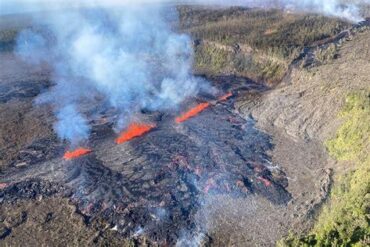
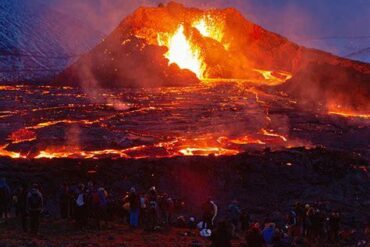
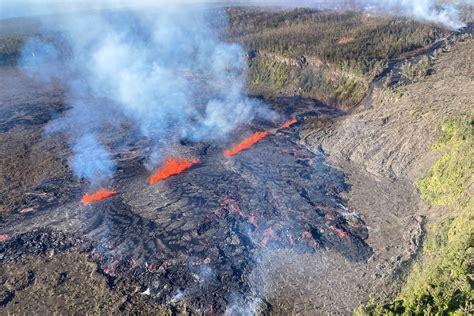
Adventure turned nearly fatal for one American tourist last week when a 30-year-old Boston man fell 30 feet off a cliffside trail toward Hawaii’s erupting Kīlauea volcano. The heart-stopping accident occurred in Hawaii Volcanoes National Park, one of the island’s top destinations, which had just reopened high-activity zones to the public. The man reportedly left the Byron Ledge Trail to get a closer look at the lava fountains, which had been erupting up to 1,000 feet into the sky. In doing so, he misstepped and tumbled off a sheer cliff. By a stroke of luck, a tree broke his fall, halting what could have been a 100-foot plunge directly into the active caldera. Search and rescue teams, already in the area for traffic management due to increased volcanic activity, sprang into action. They rappelled down the cliff in a high-angle rescue mission and pulled the tourist to safety. He escaped with only minor facial injuries, despite lacking a flashlight or headlamp during the nighttime incident. Kīlauea, considered one of the most active volcanoes in the world, has been erupting intermittently since December 2024. On the night of the incident, the park was already on alert due to elevated volcanic activity and increased footfall. This is not an isolated case. Just days before the man’s fall, a toddler almost ran off the same cliff—only saved by the quick reflexes of a parent. These back-to-back incidents have reignited concerns about the growing number of tourists who ignore posted warnings and venture beyond designated viewing areas. Meanwhile, park officials are reinforcing safety protocols, including additional signage, barrier enhancements, and nightly patrols. However, they stress that the responsibility also lies with the visitors. Nature’s power is breathtaking but unforgiving.
Moreover, the National Park Service has been working to balance visitor experiences with safety and environmental preservation. With volcano tourism rising, especially at high-profile sites like Kīlauea, managing crowd behavior has become more urgent than ever. The incident comes amid a broader conversation about safe tourism in natural wonders. Across the U.S., national parks have experienced a surge in injuries and rescues as inexperienced tourists chase the perfect Instagram moment. From the Grand Canyon to Yellowstone, the allure of untamed beauty is matched only by the danger it presents. In Hawaii, where lava, toxic gases, and steep cliffs coalesce, the risks multiply. Park officials emphasize that these are not amusement parks. They are dynamic, often hazardous landscapes that demand respect.
Tourism officials are also evaluating how to better educate international and domestic visitors before they arrive. Local tour operators may soon be required to include mandatory safety briefings, particularly for areas with elevated risks like volcanic sites. Still, the island’s natural majesty continues to captivate millions. From Kīlauea’s glowing craters to its mysterious tephra showers, it’s no surprise travelers are drawn in. Yet each incident is a potent reminder: thrill must never come at the cost of life. As summer tourism ramps up and volcanic activity continues, travelers must stay vigilant. Check trail maps. Carry proper gear. And most importantly, stay on marked paths. A few feet closer to the view is never worth the fall.