Cambodia’s once-steady stream of tourists into Thailand has slowed to a near halt as cross-border tensions, economic instability, and infrastructure shifts reshape regional travel behavior. According to new data from the Tourism Authority of Thailand (TAT), Cambodian arrivals plunged by a staggering 48% in June 2025, marking one of the sharpest monthly contractions in recent memory. This decline follows a 14% drop across the first five months of the year, driven by worsening economic conditions and a growing preference for alternative destinations like Vietnam.
Border Shutdown Wreaks Havoc on Cross-Border Tourism
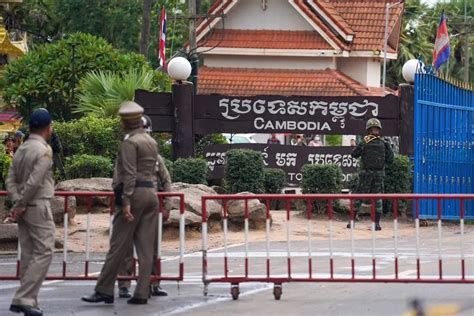
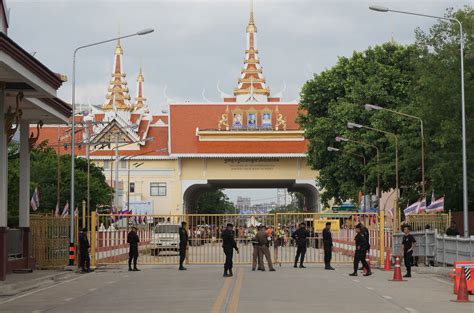
The most immediate and devastating catalyst for the sharp downturn was the closure of the Cambodian-Thai border on June 7, 2025. Sparked by escalating regional tensions, the shutdown brought cross-border mobility to a standstill. The resulting shockwaves were swiftly reflected in arrival numbers. TAT reports that the Cambodian market, already down, was decimated further by a 44% drop in visitors post-closure, and by June 14, the downturn had reached an alarming 81% drop in daily tourist traffic.
In total, only 14,758 Cambodian tourists visited Thailand during June, a severe fall from previous monthly averages. Interestingly, 48% of these arrivals came by air, while 51.9% used land checkpoints — a significant reversal for a market historically reliant on land-based travel.
Economic Strains at Home and Shifting Preferences Abroad
The roots of Cambodia’s declining outbound tourism stretch beyond border politics. The sluggish Cambodian economy, marked by high inflation and stagnant wage growth, has slashed disposable income and curtailed the willingness to spend on international leisure travel. As a result, Cambodian travelers are increasingly seeking cheaper, more accessible options.
Vietnam has emerged as a primary beneficiary of this shift. Bolstered by its stable economic outlook, upgraded infrastructure, and affordable travel packages, Vietnam is quickly becoming the destination of choice for cost-conscious Cambodians. The appeal is further enhanced by cultural familiarity and shorter travel times, making it an ideal alternative amid regional unrest.

Fallout Felt Across Thailand’s Border Provinces
The impact of the tourist downturn is not confined to statistics — it’s deeply felt on the ground in border provinces like Sa Kaeo, Surin, and Trat. These regions, heavily dependent on tourism from Cambodia, have witnessed significant disruption to local economies.
In Sa Kaeo, particularly near the Ban Khlong Luek checkpoint, hoteliers are reporting plummeting occupancy rates. Many of these establishments once served as waypoints for Indonesian and Cambodian tourists, often staying overnight before crossing borders. With the checkpoint sealed, bookings have disappeared almost overnight.
Further east in Ubon Ratchathani, sites like Phu Prasat Historical Park in the Nam Yuen District — a draw for cross-border visitors — are experiencing steep drops in footfall. Located in the Yod Dom Wildlife Sanctuary, near the Phanom Dong Rak mountain range, this once-busy attraction now stands eerily quiet, with visitor numbers drastically reduced due to travel fears and uncertainty.
Thai Authorities Strategize for Resilience
Facing a cascading crisis, the Tourism Authority of Thailand has initiated a series of responsive measures. TAT’s local offices in affected provinces are coordinating closely with stakeholders to cushion the blow on local businesses. From emergency marketing support to community engagement, the goal is to keep tourism infrastructure intact and ready for recovery.
Meanwhile, the TAT office in Ho Chi Minh City, which oversees the Cambodian market, has temporarily paused joint marketing campaigns with Thai airlines and diplomatic partners. These campaigns, initially scheduled to roll out from June through August, aimed to stimulate travel from Cambodia with package deals and promotional fares. Their suspension underscores the uncertainty still looming over the region’s tourism timeline.
Thai AirAsia Defies the Trend with Strategic Agility
In stark contrast to the market’s collapse, Thai AirAsia has demonstrated remarkable resilience. Despite a drop in inbound Cambodian travelers, the airline has retained a healthy 70% average load factor on flights from Bangkok to Phnom Penh and Siem Reap. While this figure is marginally down from earlier in the year, it is notably robust in the face of broader adversity.
Outbound routes have proven even more successful. Thai AirAsia has maintained a striking 90-100% load factor on flights from Bangkok to Cambodia, suggesting that Thai and international travelers continue to view Cambodia as a viable destination, even as Cambodians hesitate to travel in return.
The airline’s adaptability has played a key role in sustaining performance. Recognizing diminishing demand on certain routes, Thai AirAsia has implemented schedule consolidations, merging two daily flights into one during off-peak times. This nimble approach has helped preserve margins while ensuring operational efficiency.

The Road to Recovery: Political Stability is Key
While the current situation is grim, it is not irreversible. Experts predict that once regional tensions ease and borders reopen, Cambodian tourism to Thailand will begin a slow but steady rebound. TAT remains cautiously optimistic, citing efforts to diversify tourism markets and invest in cross-border infrastructure as pivotal to long-term resilience.
There is also a growing call within Thai policy circles to redefine regional tourism strategy. Rather than overly relying on any single source market, authorities are exploring multi-destination packages, integrated ASEAN visa frameworks, and better incentives for domestic travel in border provinces.
Lessons for Regional Tourism Strategy
The sharp downturn in Cambodian arrivals offers broader lessons for Thailand’s tourism industry:
- Economic diversification in source markets is essential to buffer against political shocks.
- Transport and infrastructure development can shift regional tourism dynamics quickly.
- Airline agility and market responsiveness play a crucial role in sustaining connectivity.
- Cross-border diplomacy and security coordination are vital for maintaining stable tourism corridors.

A Crucial Moment for Thailand’s Tourism Ecosystem
The months ahead are likely to be challenging. With the Cambodian market representing a historically significant contributor to Thailand’s inbound tourism — over half a million visitors in 2024 alone — its current contraction is a reminder of just how vulnerable the industry remains to sudden geopolitical shifts. For now, Thailand’s tourism authorities and private sector leaders must focus on sustaining operations, supporting local economies, and preparing for a rebound as circumstances improve.
Thailand’s tourism ecosystem, though stressed, remains dynamic. As long as recovery strategies are rooted in flexibility, innovation, and regional cooperation, the sector is likely to regain momentum once borders reopen and economic headwinds subside.