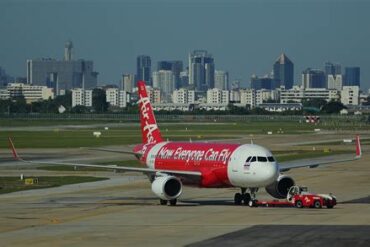
As tensions escalate along the Thai-Cambodian border, Thailand’s aviation sector is responding with agile and passenger-focused measures. Spearheaded by the Civil Aviation Authority of Thailand (CAAT), airlines such as Thai Airways, Thai AirAsia, Bangkok Airways, and Thai Vietjet are ramping up operations to ensure travelers are not stranded or inconvenienced amid the ongoing conflict. With a clear mandate to stabilize air connectivity, these carriers are adjusting fleet allocations, increasing flight frequencies, and embracing flexible travel policies.
Thai Airways Deploys Dreamliners to Match Soaring Demand
The most significant capacity surge comes from Thai Airways, which has strategically replaced its narrow-body Airbus A320s with Boeing 787-8 Dreamliners on high-demand routes, especially those connecting Bangkok and Phnom Penh. These wide-body aircraft offer substantially greater seating capacity and enhanced in-flight comfort—features that are critical for handling the influx of Thai citizens returning home during this uncertain period.
Thai Airways has meticulously recalibrated its four flagship flights—TG586, TG584, TG587, and TG585—to incorporate this change. The move not only addresses the practical need for more seats but also underscores the carrier’s commitment to delivering a stable and smooth passenger experience. This proactive approach reflects a broader strategic shift toward fleet flexibility, enabling the airline to swiftly adapt to regional disruptions.
Multi-Airline Coordination to Stabilize Connectivity
In a rare demonstration of inter-airline coordination, all seven Thai-flagged carriers have joined forces under CAAT’s guidance. Airlines including Thai AirAsia, Bangkok Airways, and Thai Vietjet are intensifying their flight schedules and optimizing aircraft utilization.
- Thai AirAsia now operates 28 weekly flights between Thailand and Cambodia, deploying 180-seat aircraft that can quickly absorb increased passenger loads.
- Bangkok Airways has boosted its operations to 40 weekly flights, deploying a mix of 180-seat jets and 70-seat turboprops tailored for regional flexibility.
- Thai Vietjet contributes with 16 weekly flights, further augmenting passenger options across key corridors.
Meanwhile, Thai Lion Air, Nok Air, and Thai AirAsia X remain on standby, ready to deploy additional capacity should the situation require rapid response. This national aviation network approach represents an operational model focused on agility and redundancy—a necessary posture in times of geopolitical tension.
Passenger Flexibility: Airlines Relax Policies in Response to Crisis
The CAAT’s advisory places strong emphasis on passenger rights and travel adaptability. Airlines have been instructed to offer maximum flexibility to affected travelers, especially Thai citizens and residents attempting to leave Cambodia or return home.
Passengers are urged to verify schedules and check for last-minute updates, as aircraft types, departure slots, and airport operations may change with little notice. In line with this directive:
- Airlines are waiving rescheduling fees and offering date change options for passengers whose travel plans are disrupted.
- Thai travelers are advised to contact airline representatives directly to secure assistance with new bookings, refunds, or travel documentation support.
- Enhanced ground staff presence at both Bangkok and Phnom Penh airports is ensuring smoother passenger handling, even in the face of sudden surges in volume.
The flexibility extended by these carriers is not merely a customer service gesture; it is a strategic buffer to prevent bottlenecks at entry and departure points and maintain continuity in air operations during volatile periods.
Coordinated Security and Ground-Level Operations
Amid the heightened situation, aviation security and government coordination are playing a crucial role in ensuring safe transit. The Royal Thai Embassy in Phnom Penh is working closely with both CAAT and airlines to streamline travel logistics. On the operational front, emergency response plans have been activated, including increased security screening protocols, additional customs personnel, and pre-departure briefings.
At Suvarnabhumi and Don Mueang airports, staff are actively managing crowd flow and prioritizing returning Thai nationals. At the Cambodian side, Thai carriers have ensured that check-in counters remain fully staffed and that boarding procedures can be expedited during high-volume windows. These procedural enhancements are critical in minimizing delay-induced chaos and maintaining confidence among travelers.
Real-Time Communication and Information Access
To mitigate confusion and misinformation, the CAAT has reinforced the need for clear and timely communication. Both the airlines’ websites and official embassy portals are providing real-time updates on:
- Flight cancellations or aircraft substitutions
- Entry/exit requirements at Thai and Cambodian airports
- Travel document validity and emergency assistance hotlines
Mobile push notifications, SMS alerts, and email reminders have become standard practice across the airline ecosystem during this emergency period. This omnichannel communication strategy ensures that passengers receive relevant, actionable information as they prepare for departure.
Broader Implications for Thailand’s Aviation Strategy
This border crisis has served as a stress test for Thailand’s aviation resilience. The rapid deployment of wide-body aircraft, inter-airline cooperation, and flexible rebooking mechanisms showcase a system that is capable of adjusting to regional shocks without descending into operational paralysis.
Notably, the use of long-haul aircraft like the 787 Dreamliner for regional routes points to a future where fleet versatility is prioritized over rigid route assignments. It also hints at a strategic preference for hub-centric deployment centered around Bangkok, where operational resources and infrastructure can be concentrated to manage fluctuations efficiently.
Moreover, the alignment between civil aviation authorities, airline executives, and diplomatic channels reflects a matured aviation governance model. By activating pre-agreed crisis protocols, Thailand has managed to prevent logistical breakdowns while maintaining public trust in its transportation system.
Outlook: Vigilance, Stability, and Strategic Readiness
With no immediate resolution in sight for the Thai-Cambodian border conflict, the CAAT and airlines are bracing for extended operational disruption. However, the systems now in place are designed to withstand prolonged periods of volatility.
Passengers are strongly advised to:
- Check airline apps and official embassy updates before traveling.
- Arrive at airports early, particularly when departing from Phnom Penh.
- Keep travel documents and emergency contacts readily accessible.
- Monitor seat availability closely, especially on Dreamliner flights where demand is outpacing supply.
Thailand’s aviation sector has demonstrated that resilience is rooted in preparation, not reaction. The seamless scaling of capacity, flexible passenger handling, and sustained coordination between stakeholders signal that, despite the conflict, the country remains connected, efficient, and prepared for all eventualities.
In the final analysis, Thai Airways, Thai AirAsia, Bangkok Airways, and Thai Vietjet are not merely reacting—they are actively leading Thailand’s logistical defense against geopolitical instability, ensuring that citizens and travelers alike have a safe and dependable pathway home.