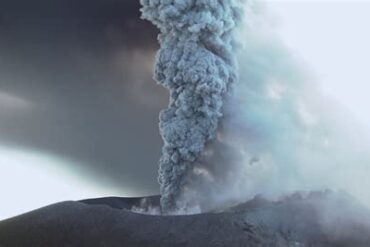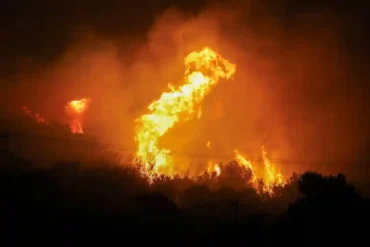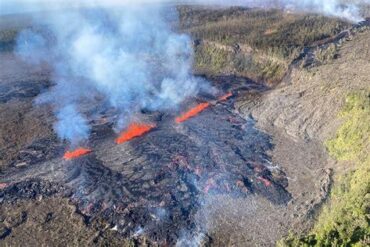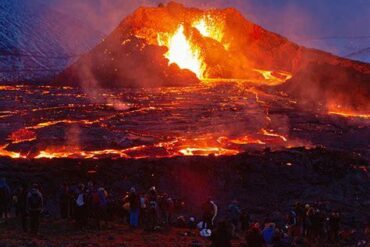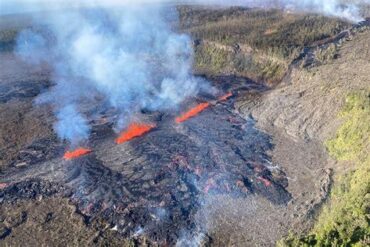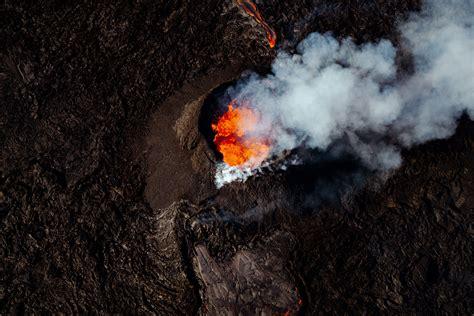
Iceland’s Sundhnúkar volcano erupted for the ninth time since late 2023, unleashing rivers of lava around Grindavík and triggering the evacuation of the Blue Lagoon, a globally renowned resort. This latest eruption has raised alarms across the aviation industry, with major airlines including Icelandair, United Airlines, easyJet, and PLAY closely monitoring the situation while continuing operations with minimal disruption. The eruptive activity poses a potential threat not only to tourism but also to critical transport routes on Iceland’s Reykjanes Peninsula.
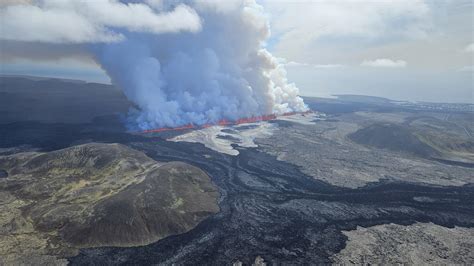
The volcanic system began its latest bout of activity early Tuesday morning, manifesting in a low-ash effusive fissure eruption that primarily produces steady lava flows rather than explosive ash clouds. The Icelandic Meteorological Office confirmed that despite the dramatic visuals emerging from the eruption site, the current geological events are classified as medium-scale, thereby posing no immediate danger to the town of Grindavík itself. However, the lava is advancing towards Grindavíkurvegur, a crucial roadway connecting the area to the north, raising concerns about possible road closures and further evacuations if conditions worsen.
Emergency Evacuations and Preparedness
Authorities acted swiftly to implement evacuation protocols early in the day, prioritizing safety for both residents and visitors. The Blue Lagoon, celebrated for its geothermal spa and luxury accommodations, was completely cleared of all guests and staff, ensuring that everyone was relocated safely before the lava flows could pose a significant risk. The Grindavík town itself also saw the evacuation of local campsites and many homes, with emergency teams conducting thorough house-to-house checks to facilitate a smooth evacuation process. Local police reported that the entire operation was executed efficiently, thanks to pre-established emergency plans and timely warnings to residents.
Impact on Air Travel Operations
Despite the ongoing volcanic activity, Iceland’s airports have largely remained operational. Keflavík International Airport, the nation’s primary gateway for international travelers, reported no mass cancellations and only minor delays. Major airlines such as Icelandair, United, easyJet, and PLAY have continued flights into and out of the country’s major hubs, though some adjustments have been necessary.
Recent reports indicate the following operational impacts:
- Keflavík International Airport:
- Total delays: 9
- Total cancellations: 2
-
Airlines affected:
- United Airlines: 2 cancellations (50%)
- easyJet: 1 delay (20%)
- PLAY: 1 delay (1%)
- Icelandair: 7 delays (5%)
- Reykjavík Domestic Airport:
- Total delays: 1
- Total cancellations: 0
- Air Iceland Connect: 1 delay (6%)
- Egilsstaðir Airport:
- Total delays: 1
- Total cancellations: 0
- Air Iceland Connect: 1 delay (25%)
Volcanic Activity and Future Predictions
Experts at the Icelandic Meteorological Office predict that the Sundhnúkur volcanic system is unlikely to enter a period of dormancy soon. Since 2021, the region has witnessed a resurgence of volcanic activity after centuries of relative quiet. The current eruption cycle is viewed as part of a broader pattern of increased volcanism in the Reykjanes Peninsula, which could result in repeated eruptions over the coming years. Authorities remain vigilant, employing advanced monitoring techniques such as satellite GPS and aerial drone surveillance to capture real-time data, thereby enhancing their ability to respond to any changes in volcanic activity.
Tourism and Economic Ramifications
The eruption has dealt a significant blow to Iceland’s tourism sector, particularly affecting the Blue Lagoon, which attracts approximately 500,000 visitors annually. With all bookings currently suspended and accommodations for displaced guests being arranged elsewhere, tour operators in the Reykjanes Peninsula have temporarily halted all tours in the vicinity. Despite this setback, other parts of Iceland remain safe for tourism, with Reykjavík and surrounding areas still welcoming visitors eager to explore the breathtaking landscapes that the country has to offer.
Resilience in Crisis Management
Iceland’s response to the volcanic eruption serves as a testament to its preparedness and crisis management capabilities. The nation’s ability to swiftly execute evacuation protocols, maintain infrastructure integrity, and ensure aviation safety reflects a well-rehearsed approach to dealing with natural disasters. Passengers flying with Icelandair, United, PLAY, and easyJet can be assured that robust safety measures are in place, allowing for continued air travel despite the challenges posed by the ongoing volcanic activity.
While the Blue Lagoon and surrounding areas may be temporarily inaccessible, the rest of Iceland remains open and ready to receive explorers seeking to experience its unique geological wonders. As the situation evolves, authorities are prepared to take swift action to safeguard both residents and visitors alike. For now, the Sundhnúkur volcano continues to flow with fresh magma, yet Iceland’s reputation for resilience and adaptability shines through as it navigates this latest challenge.