Travelers planning a summer escape to Iceland are closely monitoring the ongoing volcanic activity near Reykjavik on the Reykjanes Peninsula. As of July 16, 2025, the Sundhnúkur volcano has erupted for the twelfth time since 2021, leading to concerns about travel safety in this breathtakingly beautiful yet volatile landscape. With Iceland being a premier destination for adventure seekers and nature lovers, understanding the implications of this eruption is crucial for ensuring a safe and enjoyable visit.
Overview of the Current Eruption
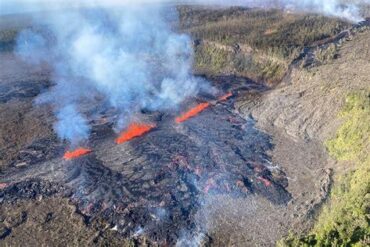
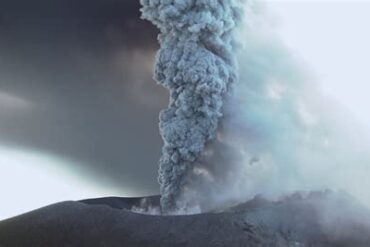
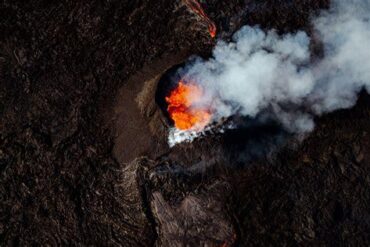
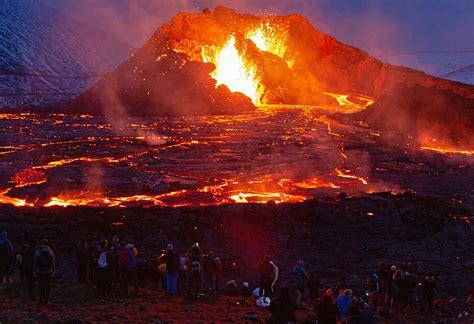
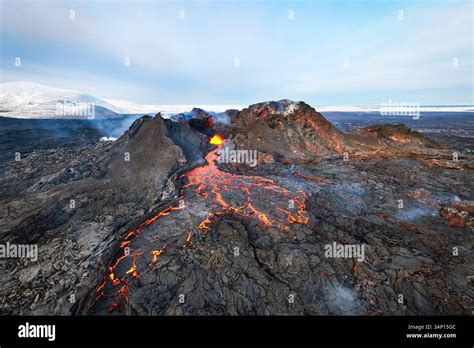
The current volcanic eruption is characterized by the emergence of fissures, resulting in significant lava flows and the release of volcanic gases. These events have necessitated the immediate evacuation of certain local areas, including the famous Blue Lagoon geothermal spa and the nearby town of Grindavík. Fortunately, reports indicate that there has been little to no damage to buildings, and the danger to populated areas remains minimal, allowing travelers to proceed with caution.
Key Points for Travelers
For those contemplating a trip to Iceland during this period, here are vital points to consider:
- Location of the Eruption: The volcanic activity is confined to the Reykjanes Peninsula, far from the urban center of Reykjavik.
- Evacuations: Evacuations are currently in effect for parts of the countryside surrounding Grindavík and the Blue Lagoon as a precautionary measure.
- Air Quality Alerts: The presence of volcanic gases in the atmosphere necessitates caution. Travelers are advised to limit outdoor activities in affected regions to mitigate health risks.
- Flight Operations: Despite the eruption, Keflavik International Airport remains operational, with flights running as per schedule, providing continued access for international travelers.
Status of Popular Tourist Destinations
Blue Lagoon Spa
The Blue Lagoon, renowned for its striking blue waters and therapeutic properties, is currently closed. The management is closely monitoring the situation and plans to reopen once conditions are deemed safe. Travelers who have made reservations should stay updated through official channels.
Reykjavik and Nearby Attractions
The distance between Reykjavik and the eruption site means that the city itself, along with its myriad attractions, remains safe and accessible. This includes well-loved excursions such as the Golden Circle tour, visits to stunning waterfalls, and thrilling glacier adventures. As a result, visitors can continue to enjoy everything Iceland has to offer without interruption.
Official Travel Advice
UK Foreign Office Advisory
The UK Foreign, Commonwealth & Development Office (FCDO) has advised British nationals to adhere to local regulations. Currently, there are no travel restrictions for Iceland, and standard cancellation policies remain in effect. Travelers are encouraged to check with their insurance providers regarding coverage for volcanic activities.
Icelandic Authorities’ Guidelines
The Icelandic Meteorological Office recommends that travelers:
- Stay informed through official communication channels.
- Avoid restricted areas near the eruption site.
- Monitor air quality alerts and heed any local evacuation instructions.
Global Travel Implications
While the ongoing volcanic eruption is indeed dramatic, it has had minimal impact on the broader global travel infrastructure. International flights to Iceland are operating normally, underscoring the resilience of Iceland’s tourism sector. However, this event serves as a poignant reminder for travelers to remain vigilant and informed, especially when localized disruptions arise.
Potential Global Travel Impact
- Tourism Stability: Iceland’s vibrant tourism industry has shown remarkable resilience, remaining open and welcoming to travelers.
- Traveler Assurance: Through transparent communication between the government and the tourism sector, travelers are encouraged to plan their journeys confidently.
- Economic Recovery: With overseas tourism gradually returning to pre-eruption levels, it’s clear that staying updated with travel advisories is essential for a smooth journey.
Check Official Sources
Before making travel plans, it is imperative to consult official advisories from both the Icelandic government and your home country’s travel advisory websites. This ensures that you have the most accurate and up-to-date information available.
Flexible Itineraries
Be prepared for potential last-minute changes, especially for excursions that may be impacted by the volcanic activity. Having a flexible itinerary will enable you to adapt to evolving circumstances.
Travel Insurance
Ensure that your travel insurance policy covers natural events, including volcanic eruptions. This protection can safeguard against financial losses due to cancellations or unexpected delays.
Air Quality Awareness
Pay special attention to air quality conditions, particularly if you are traveling with children, seniors, or individuals with pre-existing respiratory conditions. Understanding the health implications of volcanic gas exposure is critical for a safe experience.
Alternative Experiences
To maximize your enjoyment while minimizing risk, consider planning alternative activities that do not involve proximity to the volcano. Iceland offers a plethora of experiences that showcase its stunning landscapes and rich culture, ensuring a fulfilling vacation regardless of volcanic activity.
Conclusion
As summer 2025 unfolds, Iceland remains a captivating destination despite the recent volcanic eruption. By prioritizing education, preparation, and adherence to official advice, visitors can safely explore Iceland’s unique volcanic landscapes. Keeping informed and traveling responsibly will allow you to enjoy the dramatic natural attractions that make this island nation truly extraordinary.