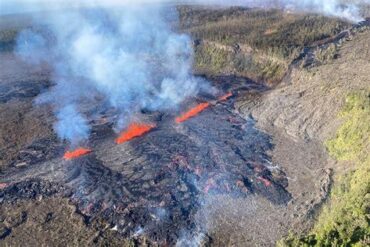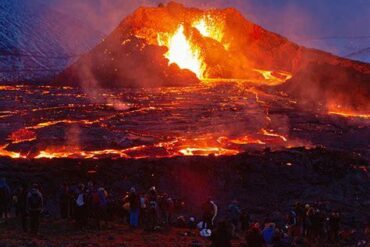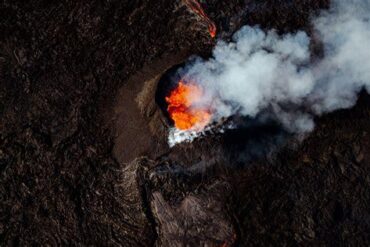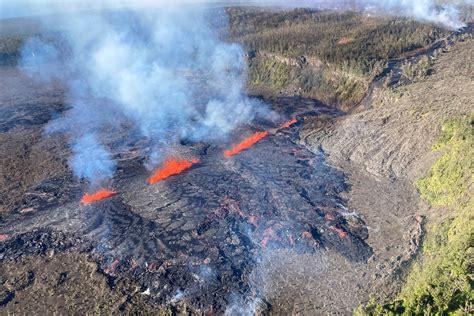
On a seemingly ordinary day at Kīlauea Volcano, one of the most active volcanoes on the planet, a dramatic incident unfolded that would serve as a chilling reminder of nature’s unpredictable power. On June 17, 2025, a 30-year-old man from Boston found himself in a life-threatening situation after falling 30 feet from a cliff while attempting to get a closer view of the explosive eruption that had captivated numerous visitors. With lava fountains erupting over 1,000 feet into the air and volcanic gases swirling around, the scene was both mesmerizing and perilous.
The tourist, drawn by the allure of witnessing one of nature’s most spectacular displays, strayed from the designated Byron Ledge Trail. In his quest for an up-close encounter with the lava, he took risks that would soon put him in grave danger. The sheer force of the fall could have resulted in devastating injuries or even death, but fortune intervened; his fall was broken by a tree that stood precariously at the cliff’s edge, preventing a further plunge into the volcanic abyss.
Despite the severity of the situation, the man emerged with only minor facial injuries, an outcome that could be considered miraculous given the circumstances. This incident underscores the extreme hazards associated with Kīlauea, especially during its active phases. At that time, the volcano was in one of its most vigorous states, with lava spewing and creating a breathtaking yet hazardous environment.
As soon as the fall was reported, search and rescue teams were promptly dispatched to the area. They had already been managing traffic due to the increased number of visitors flocking to witness the eruption. Rescuers rappelled down the cliff to retrieve the injured tourist, who, notably, did not possess a flashlight or headlamp—an oversight that could have further complicated the rescue effort. The timely response of the rescue teams highlights the ongoing challenges and dangers faced by park officials and emergency responders in such volatile environments.
The incident serves as a stark reminder of the unpredictable dangers posed by Kīlauea, which has gained notoriety as one of the world’s most active volcanoes. With regular eruptions and rapidly changing conditions, Kīlauea is not a destination to be taken lightly. Park authorities had previously issued warnings urging visitors to remain within designated paths and to avoid reckless behavior, particularly during heightened volcanic activity. Just weeks before this incident, a child narrowly escaped falling into the volcano, prompting even stricter advisories about maintaining a safe distance from hazardous areas.
Hawaii Volcanoes National Park, under the jurisdiction of the National Park Service, has implemented numerous measures to safeguard visitors. These include safety barriers, closure of high-risk zones, and informative signage to educate tourists about the dangers associated with volcanic gases, intense heat, and unstable terrains. Despite these precautions, incidents like the one involving the Boston tourist highlight the critical importance of respecting park regulations and exercising personal responsibility for safety when exploring these natural wonders.
While the majestic allure of volcanic eruptions is undoubtedly a significant draw for tourists, it is imperative that visitors remain cognizant of the inherent risks. Kīlauea’s eruptions, while visually stunning, present real dangers including exposure to toxic gases and physical hazards posed by uneven volcanic terrain. The intense heat emanating from the lava, the airborne volcanic particulates, and the noxious fumes can all pose serious threats, especially for those who stray from established pathways. Park officials emphasize that safety measures are designed to minimize exposure to these hazards, but individual compliance with safety protocols is crucial.
In light of this recent incident, it is essential for visitors to adhere to established guidelines to mitigate risk. Engaging with natural wonders like Kīlauea requires more than mere curiosity; it necessitates a profound respect for the formidable forces at play. By sticking to marked trails, respecting safety barriers, and remaining alert to any park advisories, tourists can ensure their safety while still enjoying the breathtaking beauty and magnificence of Hawaii’s volcanic landscape.
The experience of the Boston tourist is a sobering reminder of the raw power of nature and the potential dangers that exist when interacting with such extraordinary environments. As Kīlauea continues to exhibit its remarkable activity, it remains vital for all visitors to recognize that while these national parks are meant for enjoyment and education, they also demand a serious commitment to safety. The remarkable beauty of Kīlauea should inspire awe, but it should also instill a deep-seated respect for the unpredictable elements that define this majestic landscape.