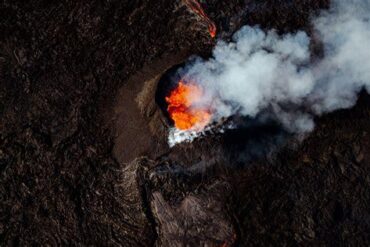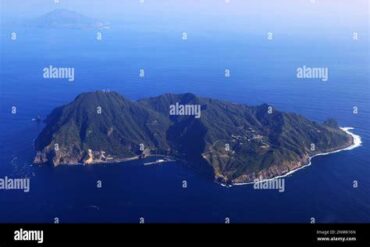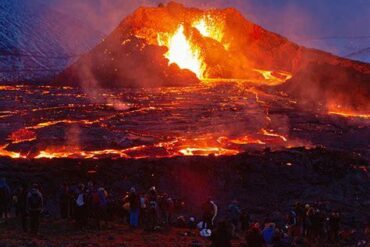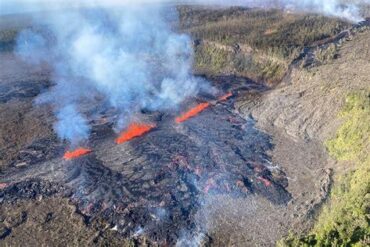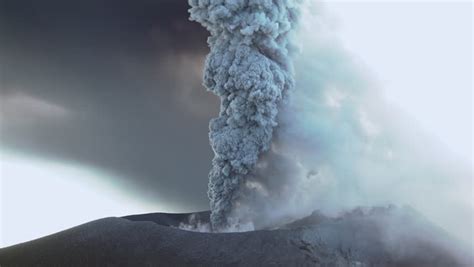
Japan has entered a heightened state of vigilance following the powerful eruption of the Shinmoedake volcano in Kyushu, which erupted violently on July 3, 2025. This event sent a massive ash plume soaring nearly 6.7 kilometers (22,000 feet) into the atmosphere, marking a significant increase in volcanic activity in the region since 2018. The eruption was accompanied by a series of earthquakes, including a magnitude-5.5 tremor near the Tokara Islands, signaling a potential geological unrest that has prompted travel alerts and widespread safety measures across the affected areas.
The Shinmoedake volcano, part of the Kirishima volcanic chain, is one of Japan’s most volatile vents, nestled between Miyazaki and Kagoshima prefectures. The eruption occurred at approximately 3:30 p.m. local time, casting ash across southern Japan and triggering a media frenzy. The Japan Meteorological Agency (JMA) had recently raised the volcano’s alert status to Level 3, indicating that no entry is permitted near the crater due to the heightened seismic signals observed in the days leading up to the eruption. In total, over 1,000 tremors were recorded in the vicinity, highlighting the geological instability that preceded this explosive event.
Ashfall has blanketed several towns across the Miyazaki and Kagoshima regions, covering streets, rooftops, and vehicles in gray volcanic debris. Local authorities have urgently instructed residents to remain indoors, secure windows and doors, and limit non-essential movement to ensure their safety amid the escalating volcanic threat. Schools in the ash-affected areas have been temporarily closed, and emergency services are deployed to assist vulnerable populations. The JMA has issued a strong advisory warning of possible further eruptions, with dangerous pyroclastic flows and rock fragments potentially impacting areas within a 3.2-kilometer (two-mile) radius around the Shinmoedake crater. Tourists and travelers are urged to exercise extreme caution, particularly near mountain trails and remote areas surrounding the volcano.
The eruption has severely disrupted air travel in southern Japan. Numerous domestic flights have been either canceled or delayed due to poor visibility caused by the ash and the associated risks to aircraft engines. While nearby airports remain operational, they are closely monitoring wind patterns and ash dispersion to mitigate any potential hazards. Compounding these challenges, Japan’s tourism sector, already grappling with the lingering effects of past disasters and economic uncertainties, now faces a steep decline in tourist bookings. The sudden drop in reservations isn’t solely attributable to the volcanic activity; it has been exacerbated by an eerie resurgence of a prophecy that has sparked public panic.
The eruption has reignited interest in a 1999 prophecy made by manga artist Ryo Tatsuki, known for his cult-favorite work, The Future I Saw. This manga details a series of prophetic dreams that allegedly foretell global events, including a significant disaster predicted around this time. Although the specific date of June 5, 2025, passed without incident, the timing of the Shinmoedake eruption has intensified speculation on social media, particularly among younger audiences familiar with Tatsuki’s work. Despite Tatsuki’s attempts to distance himself from literal interpretations of his writings, the resurfacing of his prophecy has gone viral, with thousands sharing images from the book alongside footage of the volcanic eruption. Tourism data reflects a sharp decline in new flight bookings and hotel reservations across Japan, particularly from nations such as South Korea, China, and Taiwan, where the manga’s influence is notably strong.
In response to the growing public anxiety, Japanese authorities have stressed the importance of relying on scientific data rather than succumbing to superstition. Officials from the Japan Meteorological Agency and disaster management teams held a press conference emphasizing that the volcanic eruption is a natural geological phenomenon, not influenced by supernatural forces or unscientific predictions. They reassured the public that robust monitoring systems are in place, and any evacuation orders or safety alerts will be based on real-time seismic and atmospheric data. The government has also encouraged travelers to check official channels for updates rather than relying on viral rumors that can spread misinformation.
The Shinmoedake volcano boasts a rich history of volcanic activity, having last experienced a significant eruption in June 2018. Part of the wider Kirishima volcanic group, which spans across Kyushu’s mountainous terrain, Shinmoedake is known for its explosive potential and has been a prominent figure in Japan’s geological narrative. The volcano even made its cinematic debut in the 1967 James Bond film, You Only Live Twice. Seismologists continuously monitor its activity, especially during Japan’s summer months when seismic volatility tends to peak. Experts caution that while the July 3 eruption was powerful, it may not be the last if magma activity continues to rise beneath the surface.
As Japan grapples with the aftermath of the Shinmoedake eruption, the situation serves as a poignant reminder of the country’s ongoing struggle with natural disasters and the modern phenomenon of viral misinformation. While science provides clarity and structure amid uncertainty, deeply rooted cultural narratives can shape public perceptions and behaviors in unpredictable ways. In light of the current crisis, authorities are urging residents and travelers alike to stay informed, heed local warnings, and avoid unnecessary risks as they navigate this challenging period.
The days ahead will be critical as officials assess the potential for additional eruptions and issue further advisories. As the situation evolves, staying updated on developments from reliable sources is essential for ensuring safety in this unpredictable environment.