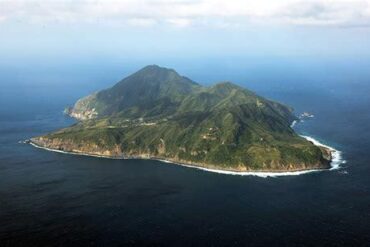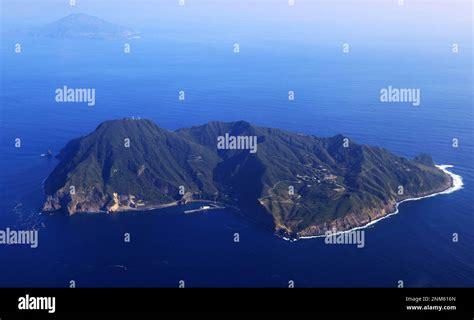
Japan’s Tokara Islands have been rocked by a staggering 1,000 earthquakes over the past two weeks, prompting urgent evacuations of residents from Akusekijima, one of the islands in this sparsely populated chain. The seismic activity has created a wave of panic among islanders who have been experiencing relentless tremors that have severely disrupted their daily lives. The most significant quake registered at a magnitude of 5.5, adding to the growing fears and prompting local authorities to take swift action to ensure the safety of residents. As of early July 5, the Japan Meteorological Agency (JMA) reported that the seismic activity had primarily been concentrated around the Tokara Islands since June 21, with the majority of tremors measuring around 5.5 on the Richter scale. Although there have been no major injuries or tsunami warnings, the ongoing tremors have led authorities to issue evacuation orders as a precautionary measure. The first group of evacuees departed for Kagoshima city on July 4, with a second wave scheduled to leave on July 6.
The island of Akusekijima, home to just 59 residents as of early July, has been particularly affected by the escalating number of earthquakes. On the morning of July 5, a powerful quake struck the island, registering at the upper end of the Japan intensity scale (7), leading to an increased urgency among residents to evacuate. This particular tremor occurred at approximately 6:29 AM, convincing an additional 20 islanders to join the evacuation. The previous day’s evacuation saw 13 residents board a ferry to safety, marking the beginning of the organized response to the crisis.
As seismic activity continues to rattle the region, authorities have issued warnings that stronger earthquakes, potentially reaching lower 6 magnitude, may occur in the days to come. Ayataka Ebita, head of the Earthquake and Tsunami Observation Division at the JMA, emphasized the need for residents to remain vigilant. During a press conference on July 5, he acknowledged the coincidence of the recent earthquake with certain social media predictions but dismissed any connections to viral doomsday forecasts. “We expect the shaking to continue in the region, but precise predictions remain impossible,” Ebita stated, urging the public to remain prepared while resisting panic-driven reactions.
Compounding the anxiety among residents is a viral prediction stemming from the manga series The Future I Saw, created by artist Ryo Tatsuki. The manga has garnered attention for its eerily accurate depictions of past earthquakes, including the catastrophic 2011 Tohoku disaster. Its 2021 edition ominously warned of a catastrophic earthquake and tsunami set to strike Japan on July 5, 2025, potentially with a magnitude three times stronger than the 2011 disaster. This dire prediction has intensified fears not only in Japan but also in Hong Kong, where travel to Japan has seen an 11% decline compared to the same period last year, largely attributed to anxieties surrounding the manga’s forecasts.
The Tokara Islands are situated along the Pacific Ring of Fire, making them especially susceptible to seismic activity due to the convergence of four tectonic plates. Residents of Akusekijima have endured daily tremors for more than two weeks, with the government taking decisive action to facilitate evacuations and provide temporary accommodations for those displaced in Kagoshima city. Local officials are actively working to support evacuees, while the JMA continues to monitor the seismic situation closely. Despite the heightened concerns, there have been no reports of fatalities or serious injuries, but the continuous quakes have disrupted the daily routines of islanders, causing sleepless nights and persistent anxiety about the future.
In response to the unprecedented seismic activity, the Japanese government has ramped up its disaster preparedness efforts. Evacuation orders have been issued, and comprehensive disaster preparedness measures have been reinforced in vulnerable communities like Akusekijima, which lacks the infrastructure to withstand significant damage. Emergency response plans are being implemented to safeguard both residents and visitors in the area. Officials are emphasizing the importance of remaining calm and rational during this time of uncertainty. “We are monitoring the situation carefully, but we cannot predict the exact time or scale of any future earthquake. We must remain cautious, but also stay calm,” urged Ebita.
In conclusion, the ongoing seismic activity on the Tokara Islands underscores the critical need for vigilance and preparedness among residents and tourists alike. With heightened evacuation measures and proactive action plans in place, the Japanese government is demonstrating its commitment to safeguarding the lives of those affected. Even as fears of larger quakes loom on the horizon, authorities are striving to reassure the public and maintain a balanced approach to disaster management. Residents and travelers are advised to stay informed through official channels and comply with evacuation orders when necessary. The effectiveness of Japan’s disaster response system, combined with community cooperation, will be essential in navigating this precarious phase of increased seismic risk.