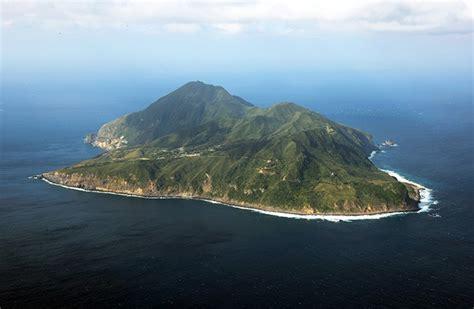
Residents of Akusekijima, a small and remote island located in Japan’s Tokara Islands chain, are fleeing the island after a series of intense earthquakes that have rocked the region over the past two weeks. The most recent earthquake, which struck on the morning of July 5, registered an intensity of upper 5 on Japan’s seismic scale of 7. While no injuries were reported, the strong tremor led to increased fears, prompting more residents to leave the island.
Ongoing Seismic Swarm
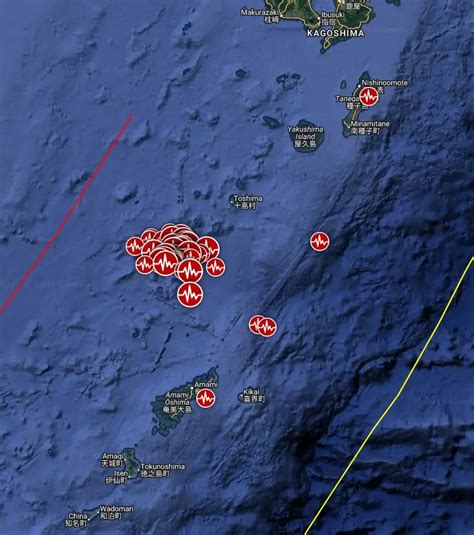
The earthquake on July 5 was just the latest in a series of strong temblors that have hit Akusekijima and the surrounding area since June 21. Over the past two weeks, more than 1,000 quakes have been recorded in the Tokara Islands region, contributing to heightened anxiety among island residents. On July 4, a significant earthquake also hit the area, prompting the first round of evacuations. Although the tremors have caused significant distress, there have been no reports of injuries. Nevertheless, the persistent shaking has made daily life increasingly difficult for the island’s residents. The situation reached a tipping point when the July 5 earthquake hit early in the morning. Following the tremor, about 20 additional residents decided it was time to leave.
Evacuation Efforts Begin
On July 4, the first batch of evacuees, 13 islanders, left Akusekijima for Kagoshima City, a 10-hour ferry ride away. The ferry departed from Naze Port on Amami Oshima Island, about 120 kilometers south of Akusekijima, making stops at the other inhabited islands of the Toshima Village. The evacuees included a mix of local residents and island officials who sought refuge on the mainland. On July 5, the second batch of evacuees, which will include the remaining 20 islanders who wish to leave, is scheduled to board the next ferry bound for Kagoshima City. The authorities have set up temporary accommodations for the evacuees in Kagoshima, offering them a safe place to stay while they wait for further updates on the situation back on the island.
The Impact of the Quakes on Island Residents
For many residents of Akusekijima, the persistent earthquakes have taken a significant emotional and physical toll. Mika Arikawa, a 50-year-old islander, was among the first group of evacuees. She expressed relief after arriving on the mainland, noting that the constant shaking had left her unable to get a proper night’s sleep for more than a week. “We can finally rest. It’s been difficult living with the constant tremors,” she said. The daily quakes have caused significant discomfort for the island’s small population of 59, which includes local government officials and police officers. With each tremor, residents have become increasingly anxious about their safety and future on the island. As the islanders prepare to leave, their worry is compounded by the uncertainty of how long the seismic activity will continue.
Authorities Issue Warnings
The Japan Meteorological Agency (JMA) has been closely monitoring the ongoing seismic activity in the Tokara Islands region. Ayataka Ebita, the head of JMA’s Earthquake and Tsunami Observation Division, urged islanders to remain vigilant in the days following the July 5 earthquake, warning that aftershocks with intensities of lower 6 on the seismic scale could strike in the near future. While the upper 5 earthquake on July 5 was relatively powerful, it was not considered unusual in the context of the current seismic swarm. Ebita explained that it was purely coincidental that the quake occurred on July 5, a day that had been predicted by some on social media as the date for a major earthquake in Japan. He emphasized that while Japan experiences about 2,000 quakes annually, this level of activity in the Tokara Islands is particularly concerning given the frequency and intensity of the tremors.
Government Response and Support
In addition to the evacuation efforts, local authorities are working to ensure that the residents who have been displaced are well cared for. Temporary shelters have been set up in Kagoshima City, where evacuees will have access to basic necessities such as food, water, and medical support. Toshima Village Mayor Genichiro Kubo stated in a press conference that the evacuation effort would continue as long as necessary, based on the ongoing seismic activity. The authorities are prepared to extend the evacuation period if aftershocks or new tremors warrant further action. In the meantime, the local government is advising residents to stay alert and be prepared for additional evacuations if the situation worsens.
Looking Ahead: What’s Next for Akusekijima?
The long-term future of Akusekijima and its residents remains uncertain. As of July 5, only two residents had expressed a desire to remain on the island, and many islanders have decided that their best option is to stay on the mainland for the time being. Some have expressed concerns about returning to the island, given the continuing threat of earthquakes and the psychological toll they have taken. In the coming days, authorities will continue to assess the situation and monitor the seismic activity. JMA experts are working to provide more detailed forecasts to ensure the safety of the remaining residents. However, for now, many islanders are focusing on rebuilding their lives away from the tremors, uncertain of what the future holds for their beloved island home.