Cyprus: A Nation in Crisis
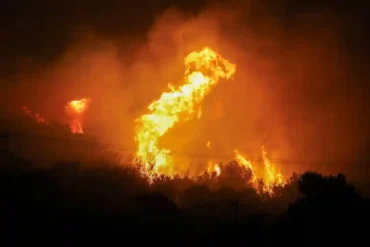
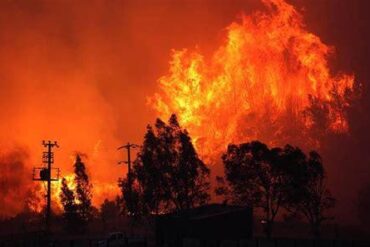
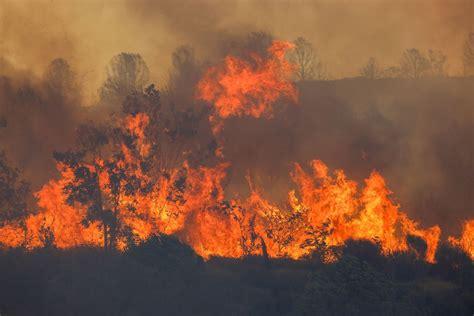
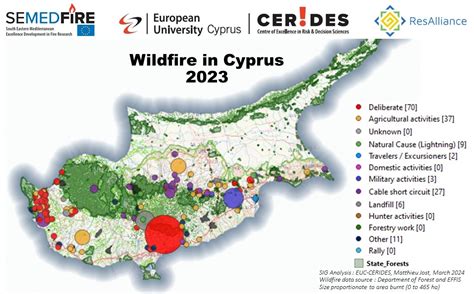
On Thursday, a massive wildfire engulfed parts of southern Cyprus, resulting in the tragic deaths of two individuals and the evacuation of hundreds. The fire, which broke out around midday on Wednesday, ravaged at least 100 square kilometers (39 square miles) in the wine-producing region north of Limassol, one of the island’s largest cities. The region’s picturesque villages, homes, and vineyards were decimated by the flames. As temperatures peaked at 43°C on Wednesday, Cyprus issued an amber weather alert, and the situation worsened the following day, with predictions of temperatures reaching 44°C, the highest recorded so far this year. The wildfire spread rapidly, driven by powerful winds and dry conditions, destroying both vegetation and homes. This intensified the island’s already dire housing crisis, with evacuees losing their homes and livelihoods.
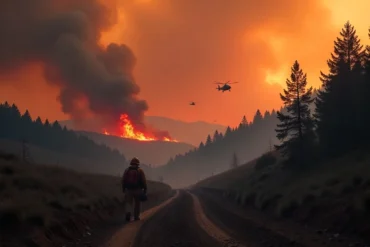
In the wake of the fire, the island’s firefighting efforts have involved a concerted response, with at least 250 firefighters and 13 aircraft mobilized to combat the blaze. The Cypriot President, Nikos Christodoulides, emphasized the gravity of the situation and reassured citizens that efforts would continue to protect life and property. Despite the magnitude of the fire, many regions remained under threat as the firefighting teams battled the flames, and the intense heatwave persisted across the island. In addition to the immediate destruction of homes, the fires have also led to the evacuation of at least one camping ground near the village of Lofou. The media coverage showed the aftermath, with images of gutted homes and the smoldering remains of structures once central to the island’s local economy.
Turkey: A Heartbreaking Loss for Firefighters
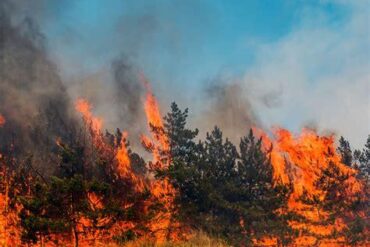
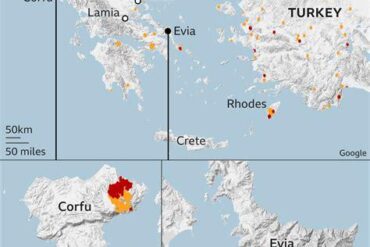
In Turkey, the deadly wildfire that ravaged the central Eskisehir province claimed the lives of at least ten forestry and rescue workers. The incident unfolded when the fire, which started on Tuesday morning in the Seyitgazi district, spread quickly due to changing wind directions, trapping the workers inside the fire. Fourteen others were rushed to the hospital, suffering from injuries sustained during the rescue operation. In total, the wildfires currently burning across multiple regions of Turkey, including Sakarya, Bilecik, Eskisehir, İzmir, Karabuk, and Manisa, have forced tens of thousands of people to flee their homes. The recent fires are some of the deadliest the country has faced in years, fueled by extreme heatwaves that have seen temperatures soar above 40°C. While Turkey has experienced wildfires regularly during the summer months, this year’s fires have been particularly severe, with several regions seeing devastating losses to both life and property. The country’s fire services have been working tirelessly to control the flames, but the ongoing battle is complicated by the extreme weather conditions and the sheer scale of the fires.
The European Wildfire Crisis: A Continent Under Siege
The ongoing wildfires across Europe have been made worse by extreme heatwaves, which have affected not only Cyprus and Turkey but also several other countries in the region. As Europe faces scorching temperatures this summer, the risks of wildfires are amplified, with dry conditions providing the perfect environment for flames to spread uncontrollably. In Spain, wildfires earlier this month led to the deaths of two people in Catalonia, where nearly 3,000 hectares of vegetation were destroyed. Similarly, in southern France, a massive wildfire reached the outskirts of Marseille, injuring 110 people and burning through 700 hectares. These fires have become a grim reminder of the growing threat posed by climate change, as both the frequency and intensity of wildfires seem to be increasing year by year. A combination of environmental factors, including record-high temperatures, drought conditions, and strong winds, has exacerbated the risk of fires across Europe. Local authorities and firefighting teams are stretched thin, struggling to contain blazes in various regions as thousands of people remain displaced.
The Human Cost of Wildfires
The toll of the fires goes beyond the immediate physical destruction of homes, infrastructure, and natural habitats. Hundreds of individuals have been forced to evacuate their homes in Cyprus and Turkey, with many facing uncertain futures as they attempt to rebuild their lives in the aftermath of the fires. In Cyprus, the fires have not only destroyed homes but also wiped out valuable agricultural land, with the wine-producing region north of Limassol suffering significant damage. These areas are vital to the island’s economy, and the loss of livelihoods is being felt by local farmers and business owners. The emotional and financial cost for these individuals cannot be overstated, as many have lost everything in a matter of hours.
In Turkey, the loss of life among forestry and rescue workers highlights the sacrifices made by those on the front lines of disaster management. Firefighters and other emergency responders put their lives at risk to protect the public, and the loss of ten brave individuals in this latest fire is a tragic reminder of the dangers they face daily. As fires continue to rage across multiple provinces, the pressure on emergency services intensifies, and the emotional toll on survivors and responders alike is undeniable.
The Growing Threat of Overtourism and Climate Change
The rising incidence of wildfires across Europe, exacerbated by extreme heatwaves, underscores the urgent need to address both the environmental and social challenges facing affected regions. As wildfires become more frequent, the issue of climate change continues to play a central role in shaping public discourse around the future of our planet. Additionally, the growing number of natural disasters has highlighted the vulnerabilities of urban and rural communities alike, especially those in popular tourist destinations. In cities like Barcelona and Venice, residents have protested against overtourism, which they argue puts an unsustainable strain on local resources and infrastructure. While wildfires are a separate issue, they intersect with the concerns of tourism’s impact on local communities. As climate change continues to worsen, communities in popular tourist destinations are finding themselves increasingly vulnerable to both environmental and socio-economic pressures. Governments and international organizations must continue to work together to address the root causes of climate change and develop strategies to mitigate the impact of extreme weather events. Meanwhile, cities that are heavily dependent on tourism must also take steps to ensure that the growth of the industry does not come at the expense of their residents’ well-being and the sustainability of their environments.
The Path Forward: Addressing the Root Causes
The tragic events unfolding in Cyprus and Turkey serve as a wake-up call for governments and communities to address both the immediate threats posed by wildfires and the long-term challenges of climate change. While firefighting efforts continue, the focus must also shift to prevention and resilience building. International collaboration on wildfire management, investment in green technologies, and the strengthening of disaster preparedness and response systems are critical for ensuring that communities in fire-prone areas are better equipped to handle future crises. Furthermore, addressing the underlying causes of climate change through global policy initiatives and local efforts will be key to reducing the frequency and severity of such disasters.
A Planet Under Threat
As wildfires rage across Europe, the human and environmental toll is mounting. From Cyprus to Turkey, communities are grappling with the aftermath of devastating fires that have destroyed homes, livelihoods, and landscapes. While firefighting efforts are underway, the growing frequency of such events highlights the urgent need for stronger global action to combat climate change and build more resilient communities. The future of vulnerable regions lies in their ability to adapt to changing climates and prioritize sustainability in the face of growing environmental threats.