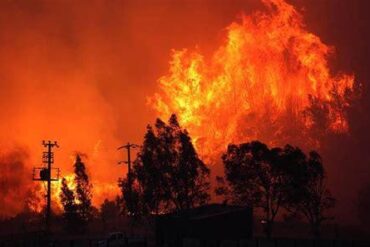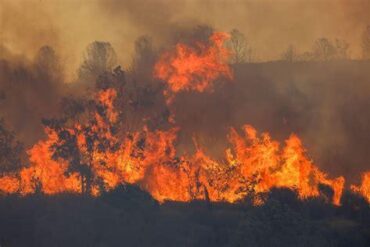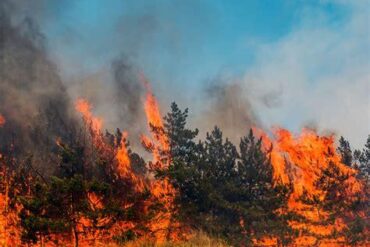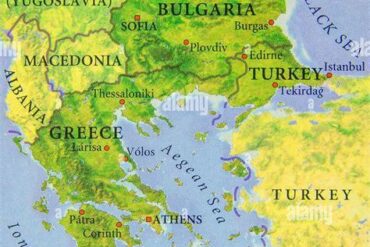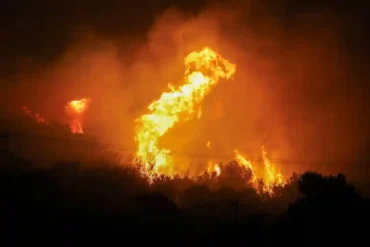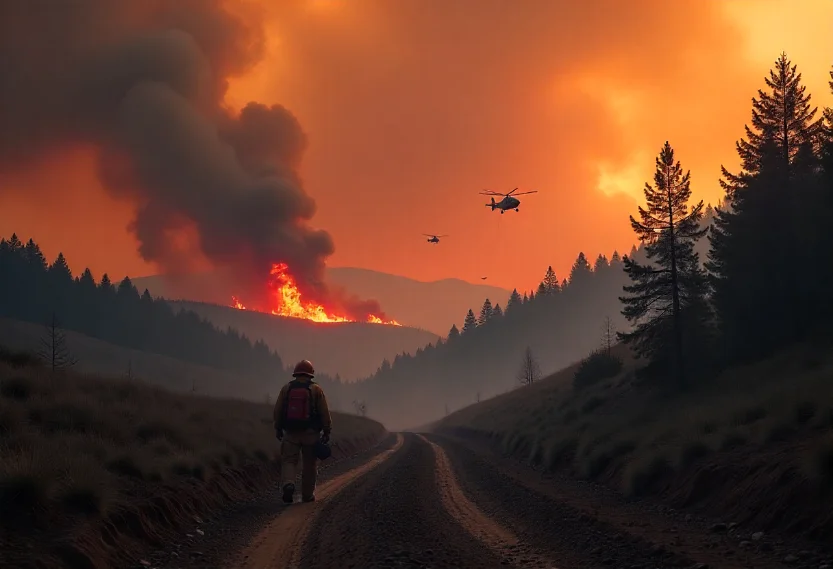
Turkey is currently grappling with a severe wildfire crisis, with fires spreading rapidly along the Mediterranean coast. The government has declared disaster zones in multiple provinces, taking emergency measures to combat the escalating situation. In the wake of these devastating fires, thousands of local residents, firefighters, and volunteers have been working tirelessly to limit the damage. Alongside these efforts, international support has been mobilized to assist in containing the flames and providing relief.
Disaster Zones Declared Across Turkey
As wildfires rage on, Turkey’s government has declared disaster zones in the provinces of Izmir and Bilecik, where the fires have been particularly destructive. These regions, located on the western side of the country, are now officially designated as disaster areas due to the ongoing fire crisis. In addition to local efforts, the country’s president, Recep Tayyip Erdogan, has called the situation “a truly great disaster,” acknowledging the loss of life and the widespread damage caused by the wildfires. Thirteen people have tragically lost their lives, including ten volunteers and forestry workers in the central Eskisehir province.
Key Actions Taken by Authorities
The Turkish authorities have implemented several key actions to combat the wildfires effectively:
- Emergency evacuations: Residents in areas like Antalya and Manavgat were evacuated to safety as the fires moved closer to urban centers.
- Local and national firefighting efforts: Firefighters, aided by residents with hoses and buckets, are doing everything they can to control the flames.
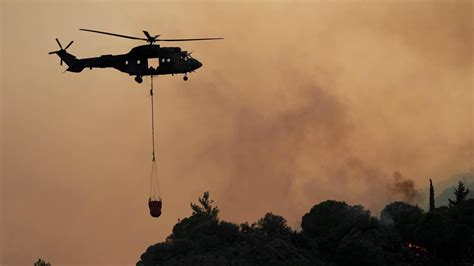
- Aerial support: Aircraft have been deployed to dump water and prevent further spread, supporting ground teams on the front lines.
International Aid Comes to Turkey’s Aid
In addition to domestic efforts, Turkey is receiving international help in the form of firefighting resources and personnel. Countries like Spain, Egypt, Jordan, and Israel have sent support, offering both financial assistance and firefighting equipment. Cyprus has also provided valuable aid, especially given that the island has faced its own wildfire crisis this summer. Several nations, including the United Kingdom, have contributed aircraft and personnel to the firefighting operation, further enhancing Turkey’s ability to tackle this massive challenge. This cooperative international response highlights the growing recognition that wildfires, driven by climate change, transcend national borders and require global cooperation.
The Bigger Picture: Wildfires and Climate Change
The fires in Turkey are part of a larger trend of extreme weather events happening across southern Europe. Many regions have been experiencing intense heatwaves, which have only fueled the spread of wildfires. In countries like Cyprus and Greece, the temperatures have soared to record levels, exacerbating the fire risk. In Cyprus, temperatures reached a staggering 43C (109F), leading to one of the worst wildfire outbreaks in the island’s history. As a result, entire communities have been displaced, and several people tragically lost their lives. Other countries in the Mediterranean, including Albania and Greece, have also been battling devastating fires this summer. Firefighters in Albania, for example, have been working to control blazes in the mountainous regions near Elbasan, while Greece faced the challenge of limiting access to historical landmarks like the Acropolis due to the extreme heat.
Key Highlights from Southern Europe
- Cyprus: Wildfires have destroyed numerous homes, and temperatures have exceeded 40C.
- Albania: Firefighters are facing tough conditions in the forests near Elbasan.
- Greece: The iconic Acropolis was forced to limit visiting hours due to the extreme heat.
Experts point to climate change as the primary driver of these extreme weather events, suggesting that hotter, drier conditions will become more frequent in the future, leading to even more intense wildfire seasons.
Government’s Wildfire Emergency Response
In response to the rapidly spreading wildfires, the Turkish government has activated a comprehensive emergency response plan. This includes coordinating efforts between various government agencies, emergency services, and the military to ensure that resources are allocated efficiently. The Ministry of Environment and Urbanization has been at the forefront, deploying firefighting teams and establishing safe zones for evacuees. The wildfire emergency response has also focused on assisting those displaced by the fires, providing them with shelter, food, and medical care. Authorities are working tirelessly to minimize the long-term impact on communities, especially in the hardest-hit areas.
Government Response Measures
- Evacuation of residents from high-risk areas.
- Emergency shelters established for displaced people.
- Coordination with international partners to secure additional firefighting resources.
Rising Temperatures and the Urgent Need for Climate Action
While efforts to manage the wildfires in Turkey and surrounding countries are ongoing, the crisis underscores the growing threat posed by climate change. The summer of 2024 has already been recorded as the warmest year on record, with global temperatures soaring above pre-industrial levels by more than 1.5C. This increase in temperature has created the ideal conditions for wildfires to spread rapidly, threatening lives, property, and ecosystems. The rising temperatures across Europe are part of a larger pattern that many experts link directly to climate change. As these conditions continue to worsen, it is clear that more aggressive actions must be taken to mitigate the effects of global warming and reduce the likelihood of such catastrophic events in the future.
Future Outlook
As Turkey continues to battle these devastating fires, several key aspects emerge:
- Increasing frequency of wildfires: With hotter and drier conditions, wildfires may become more frequent and widespread.
- Global cooperation: Countries must work together to fight fires and address the root causes of climate change.
- Urgency for climate policies: Immediate action is required to combat the global climate crisis and protect vulnerable regions.
Conclusion: Responding to the Wildfire Crisis in Turkey
The wildfire crisis in Turkey has tested the resilience of both local residents and emergency responders. The situation has prompted a swift and coordinated government response, with significant international aid to help manage the escalating disaster. This crisis, along with the fires seen in other parts of Europe, serves as a wake-up call about the increasing risks posed by climate change. As Turkey continues to battle these devastating fires, the international community’s efforts to assist will be critical in bringing the crisis under control. The ongoing recovery and the lessons learned from this wildfire season will play a vital role in shaping future disaster response strategies and climate action initiatives.