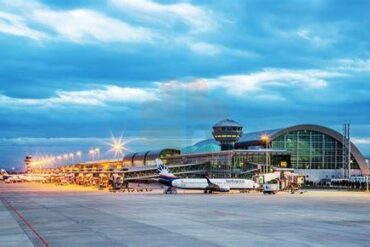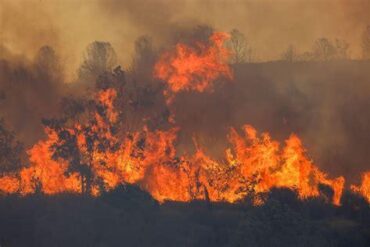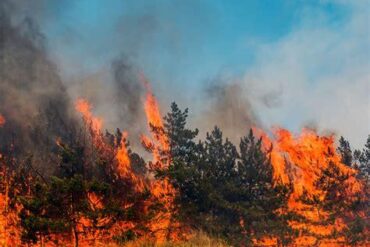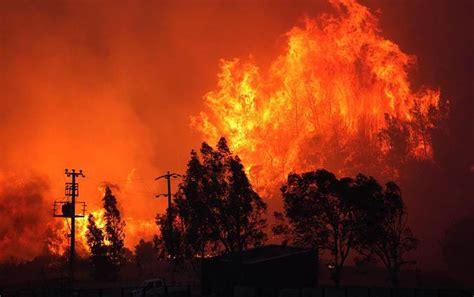
A massive wildfire has forced the complete suspension of flights at Izmir’s Adnan Menderes Airport, leading to significant disruptions in global travel. The fire, which ignited between the Menderes and Seferihisar districts, spread rapidly due to intense winds and dry conditions, creating an immediate threat to air travel safety. As thick smoke enveloped the airport, authorities promptly halted both departures and arrivals, affecting thousands of travelers.
The situation escalated quickly as emergency services mobilized to contain the blaze, which was one of several active wildfires reported in the region this week. By mid-afternoon, flights were being cancelled or diverted, with major routes impacted, including those from London Stansted, Istanbul, Cologne, Copenhagen, and Sofia. Travelers faced hours of uncertainty, with many inbound flights redirected to alternative airports.
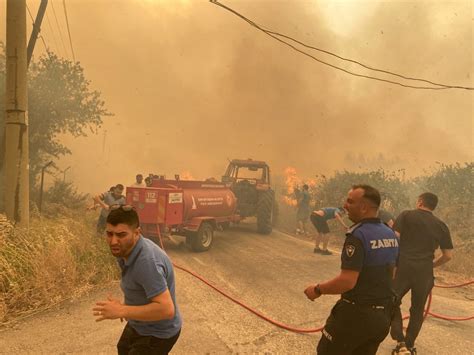
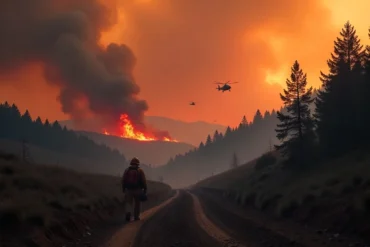
As flames raged near the city outskirts, emergency crews, including aerial firefighting units and ground personnel, rushed to respond. Two firefighting aircraft, one helicopter, and multiple water tenders were deployed, illustrating the scale of the operation. Ground units from the local fire department joined forces with the Izmir Regional Directorate of Forestry to combat the inferno. The urgency of the response was underscored by the recent history of wildfires in the area, which have prompted evacuations and raised alarms among residents and tourists alike.
Earlier this month, another fire near Izmir led to the evacuation of 455 families, highlighting the ongoing threat posed by wildfires in Turkey. The General Directorate of Forestry reported that between June 24 and 25, at least eight significant forest fires erupted across the country, most of which were attributed to human activity, such as negligent waste disposal and uncontrolled agricultural burning. The situation has raised concerns about the state of wildfire preparedness and prevention in Turkey, particularly as temperatures rise and dry conditions persist.
The recent fire in the Aliağa district, which began on June 25 at approximately 12:30 PM, spread rapidly through forested areas and threatened residential zones, necessitating a large-scale emergency response. Local authorities are closely monitoring the situation, emphasizing that flight operations will not return to normal until the fire is fully contained and the area is declared safe for air travel.
Despite some flights cautiously resuming shortly before 10:00 PM local time, the atmosphere remains tense. The ongoing risk of further delays or cancellations looms, depending on the fire suppression efforts and weather conditions overnight. The wildfires not only disrupt air travel but also instill fear among residents and tourists regarding their safety and mobility.
As the summer season unfolds, officials express concern that this may be just the beginning of a challenging wildfire season for Turkey. With a persistent risk of additional blazes, authorities urge locals and visitors to remain vigilant and heed all advisories issued by emergency services. Travelers planning to fly into or out of Izmir are advised to check directly with airlines and local airports for the latest updates.
The Turkish government, alongside local emergency agencies, is committed to monitoring the evolving situation and deploying all available resources for fire suppression. Emergency shelters are being prepared in anticipation of potential evacuations, and contingency plans are underway to ensure public safety in the event of further outbreaks.
In light of these incidents, experts are calling for increased investment in fire-resistant infrastructure and better education regarding responsible land use practices. Stricter regulations during peak fire seasons could play a crucial role in mitigating the risks associated with wildfires in Turkey, a country that has already faced devastating fire seasons in recent years.
As firefighting teams continue their efforts into the night, the broader implications of this wildfire are becoming increasingly clear. The disruption to air travel is not merely an inconvenience; it has far-reaching consequences for tourism, local economies, and public safety. The ongoing crisis highlights the urgent need for comprehensive strategies to address the growing threat of wildfires, ensuring that both residents and visitors can feel secure as they navigate the complexities of travel during this tumultuous season.