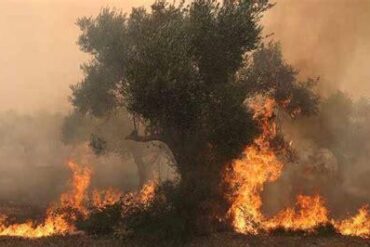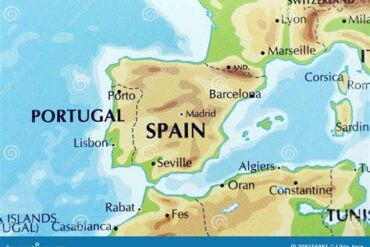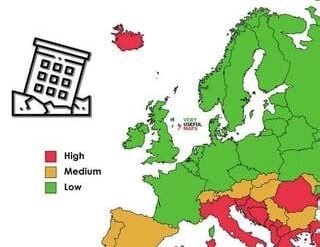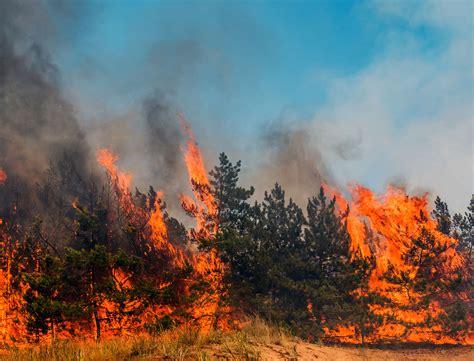
As the summer of 2025 unfolds, Turkey finds itself grappling with an alarming surge in forest wildfires, a crisis not isolated to its borders but shared by neighboring Mediterranean nations such as Italy, Greece, Spain, and Portugal. Particularly in the scenic region of İzmir, where tourism thrives, the heatwaves and wildfires have posed serious threats to safety and travel plans. The Foreign, Commonwealth & Development Office (FCDO) has issued a travel advisory, urging prospective travelers to exercise caution when visiting this beautiful yet vulnerable area. Understanding the dynamics of these wildfires is crucial for anyone contemplating a trip to Turkey this season.
The situation has escalated since late June, with wildfires wreaking havoc in Turkey’s coastal regions, leading to significant disruptions in transportation and local infrastructure. The Adnan Menderes Airport in İzmir experienced a temporary closure on June 29 due to the fires, resulting in numerous flight cancellations and diversions. Such incidents underscore the precarious conditions that prevail during the summer months, where extreme heat, strong winds, and low humidity create an environment conducive to rapid fire spread.
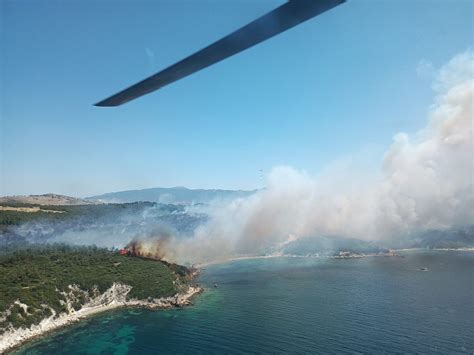
While natural causes such as lightning can ignite wildfires, it is often human negligence that serves as the catalyst for these disasters. Discarded cigarettes and poorly managed barbecues are frequent offenders that spark flames in dry areas. Turkish authorities are acutely aware of the heightened risk during the summer and have implemented stringent measures to combat this issue. The government warns that individuals found lighting fires or discarding cigarettes in wildfire-prone zones may face hefty fines or even imprisonment. Therefore, it is imperative for travelers to remain vigilant and heed local regulations regarding fire safety.
Travel Advisory and Essential Safety Measures
The FCDO’s guidance is clear: before traveling to Turkey, especially along its picturesque west coast, travelers must familiarize themselves with any fire-related restrictions that may be in place. As wildfires can escalate quickly, maintaining awareness of local conditions is essential. Travelers should actively look for signs indicating fire bans, smoking restrictions, or barbecue prohibitions in specific areas. If you encounter a wildfire, immediate reporting is crucial; in Turkey, the emergency contact number for fire, police, or medical assistance is 112. This number serves as a vital lifeline in emergencies, including wildfire situations.
In addition to fire hazards, travelers must be prepared for the extreme temperatures that dominate Turkey’s summers. Many regions, particularly in the south and west, see temperatures soar above 40°C (104°F). Staying hydrated and limiting outdoor activities during peak heat hours are critical for personal safety. Visitors should dress appropriately, opting for light and breathable clothing while ensuring they have access to water at all times.
Health and Insurance Considerations
Given the compounded risks of extreme temperatures and wildfires, it is essential for travelers to scrutinize their health insurance policies prior to embarking on their Turkish adventure. Many insurance policies may not cover incidents arising from disregarding government travel advisories, making it vital to stay informed about current conditions and any associated restrictions. Before setting off, ensure that your destination can provide the necessary healthcare services, including emergency medical treatment for injuries or illnesses that may occur.
In dire situations, such as needing evacuation due to wildfires or other emergencies, having comprehensive travel insurance is invaluable. Policies should ideally cover emergency medical care, unplanned evacuations, and travel disruptions caused by wildfires or adverse weather conditions. Furthermore, it’s prudent to confirm that your insurance covers specific activities planned during your visit, as adventure tourism in fire-prone areas can carry additional risks.
The Role of Climate Change in Turkey’s Wildfire Crisis
Experts have increasingly linked the rising severity of heatwaves and wildfires to the overarching issue of climate change. Southern Europe, including Turkey, has seen a notable rise in temperatures and extended periods of intense heat, both of which contribute to the frequency and ferocity of wildfires. While wildfires have always been a natural part of Turkey’s environmental landscape, their intensity and occurrence have surged dramatically in recent years. As global temperatures continue to climb, regions like Turkey are likely to face even more severe conditions in the coming years, emphasizing the necessity for travelers to remain alert and prepared during the summer months.
By staying informed through reliable sources, such as governmental updates, tourists can significantly reduce the risks associated with the current wildfire and heatwave conditions. Understanding the environment and being proactive can make a substantial difference in ensuring safety during your travels.
Final Travel Tips and Recommendations
For those undeterred by the challenges posed by wildfires and extreme heat, there are several key steps to ensure a safe and enjoyable experience in Turkey:
- Monitor Local Conditions: Stay updated with the latest news regarding wildfires and heatwaves from official sources, including the FCDO and Turkish authorities.
- Understand Emergency Procedures: Familiarize yourself with emergency protocols in Turkey, including how to contact emergency services and appropriate actions to take in the event of a wildfire.
- Pack Appropriately: Bring light clothing, sunscreen, and ample water to protect against the heat.
- Check Travel Insurance: Ensure your travel insurance adequately covers fire-related incidents, medical evacuations, and cancellations due to extreme weather.
Despite the challenges presented by wildfires and extreme heat, careful planning and adherence to local regulations can lead to a memorable and safe trip to Turkey. Prioritize informed decision-making and maintain a focus on safety throughout your travels. For the latest travel information, always consult the official Foreign, Commonwealth & Development Office (FCDO) website or other trusted governmental resources.