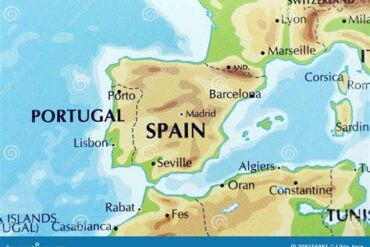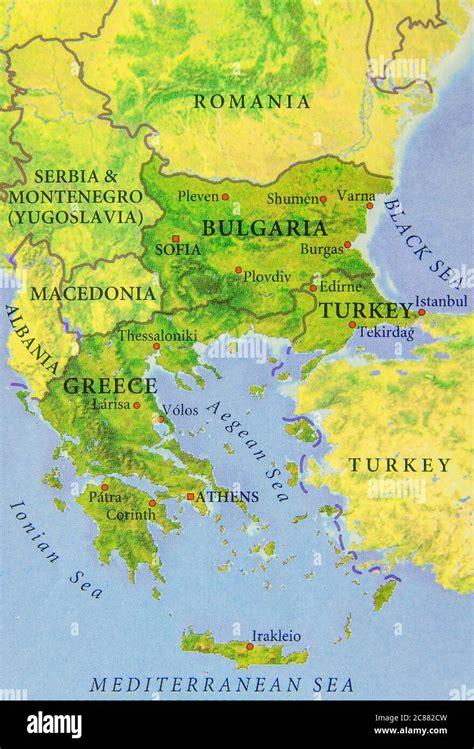
Bulgaria is rapidly establishing itself as a dynamic travel powerhouse in Europe, strategically targeting established tourist destinations such as Greece, Spain, and Turkey. This ambitious endeavor is marked by significant upgrades to its resort infrastructure, the introduction of new direct flight routes, and an active campaign to attract German tourists, who represent the largest source market for the country. By repositioning itself within the Mediterranean tourism circuit, Bulgaria aims to transform its image from a budget-friendly option to a competitive destination that offers quality experiences at attractive prices.
Infrastructure Overhaul: Modernizing Bulgaria’s Hospitality Sector
At the heart of Bulgaria’s strategy lies a comprehensive overhaul of its hospitality sector. Key resort areas, including Golden Sands, Albena, and Sveti Konstantin & Helena, have undergone substantial investments, resulting in the renovation of hotels, the development of new properties, and the enhancement of amenities. This transformation is crucial in changing perceptions about Bulgaria, as it moves away from outdated stereotypes and presents itself as a modern and appealing destination. Visitors are now greeted with contemporary interiors and facilities that meet the expectations of today’s travelers, allowing Bulgaria to compete directly with renowned Mediterranean resorts.

Travel professionals and tourists alike have taken note of the improvements in the hotel landscape, which now boasts upgraded interiors and enhanced guest experiences. These changes not only elevate Bulgaria’s image but also position it as a viable alternative for those seeking quality accommodations without the high price tags often associated with more established destinations.
Enhanced Air Connectivity: Opening New Pathways to Bulgaria
In tandem with infrastructural enhancements, Bulgaria has made significant strides in improving air access to its major tourist regions. The introduction of direct flights from key markets like Germany and Austria to Varna and Burgas is central to this strategy. New air service agreements have facilitated an expanded schedule of direct flights from numerous German cities, ensuring a steady influx of tourists to Bulgaria’s stunning Black Sea coast. By the summer of 2025, Varna is expected to connect with 14 German cities, while Burgas will serve 11, with airlines operating dozens of weekly flights.
This surge in air connectivity is pivotal in attracting new travelers who may have previously viewed Bulgaria as less accessible. Furthermore, these new routes extend the travel season, with flights scheduled well into late September and potentially beyond. By diversifying travel options, Bulgaria is able to stretch its tourist season beyond the traditional peak months, fostering long-term economic benefits for local communities.
Competitive Pricing: Bulgaria’s Secret Weapon
A critical factor contributing to Bulgaria’s rising appeal is its competitive pricing. As travel costs rise across the Mediterranean, particularly in Turkey, which is grappling with inflationary pressures, Bulgaria continues to offer stable and affordable options for families, group tours, and individual travelers. This pricing stability enhances its attractiveness, especially in key markets like Germany, where vacationers are increasingly price-sensitive.
Data from 2024 reveals that while bookings to Turkey have declined by 10 percent among German travelers, Bulgaria has experienced a remarkable 25 percent increase in the same market. Although Bulgaria starts from a smaller base of approximately 300,000 German visitors, the growth trend is accelerating, indicating a clear shift in attention toward Bulgaria’s affordability and improved offerings.
Branding Push: Transforming Bulgaria’s Global Image
Despite these advancements, Bulgaria faces challenges in reshaping its global perception. The country’s international image remains outdated in many European markets, leading tour operators and travel agents to express surprise at how much the destination has evolved. To bridge this gap, Bulgarian tourism leaders recognize the urgent need for a revamped marketing strategy.
Plans include a robust digital advertising campaign, engaging video storytelling, and targeted promotions designed to showcase Bulgaria as a vibrant, scenic, and culturally rich destination. By enhancing its branding efforts, particularly in underrepresented markets such as Switzerland and Scandinavia, Bulgaria aims to communicate its transformation effectively to a broader audience. This branding push seeks to create an emotional connection with travelers, emphasizing authentic experiences, rich cultural heritage, and accessible pricing as the cornerstones of its narrative.
Diversifying Beyond the Beach: Expanding Tourism Offerings
Bulgaria is also broadening its tourism appeal by developing themed and off-season experiences. Industry leaders acknowledge that reliance solely on sun-and-sea tourism is unsustainable for long-term growth. To foster a resilient travel economy, Bulgaria is investing in diverse offerings such as spa and wellness retreats, cultural heritage circuits, city breaks, golf tourism, and shopping holidays. This multifaceted approach reduces dependency on peak summer months and attracts a wider array of travelers.
Similar strategies have yielded success in other European destinations that have transitioned from seasonal to year-round tourism. Bulgaria’s natural diversity, historical landmarks, and affordable service options position it well for such expansion. Tourism authorities are actively integrating regional attractions into new travel packages and itineraries, catering to cultural explorers, nature enthusiasts, and wellness seekers alike. These developments are poised to unlock new markets and increase the average spend per visitor.
A Defining Moment for Bulgaria’s Tourism Future
As Bulgaria stands at this pivotal crossroads in its tourism evolution, the combination of significant progress in hotel modernization, expanded flight routes, competitive pricing, and a renewed focus on branding marks a transition from a rising player to a reliable and attractive destination on the European stage. By positioning itself as a serious competitor to top Mediterranean destinations like Greece, Spain, and Turkey, Bulgaria is emerging as Europe’s rising travel powerhouse.
The momentum is palpable, and if Bulgaria can maintain its core strengths—affordability, authenticity, and variety—while continuing to innovate and evolve, it may soon surpass not just its Mediterranean rivals, but redefine the very landscape of European tourism. The future looks bright for Bulgaria as it embraces its potential and captures the attention of travelers seeking quality and value in their holiday experiences.