Greece has solidified its status as one of the world’s premier tourist destinations, attracting millions of travelers each year with its stunning landscapes, rich history, and vibrant culture. Following an impressive surge in tourism numbers in 2024, where the nation welcomed over 40 million visitors and generated a staggering €21.7 billion ($25.09 billion) in revenue, Greece is gearing up for what promises to be a record-breaking 2025. This growth reflects a 5.4% increase over the previous year, signaling a robust recovery from the travel restrictions imposed during the COVID-19 pandemic. With the country poised to surpass its own records, the tourism sector is at a pivotal moment, balancing the need for economic growth with the challenges posed by overtourism.
The appeal of Greece lies not only in its iconic destinations such as Santorini and Mykonos but also in its ability to attract a diverse array of visitors, including celebrities and affluent travelers seeking luxury experiences. The Greek Tourism Confederation (SETE) highlights that tourism accounted for 13% of Greece’s GDP in 2024, translating to €30.2 billion ($34.94 billion) in direct contributions to the economy. This underscores the vital role tourism plays in supporting employment, driving economic stability, and fostering the development of various sectors, including hospitality, transportation, and local businesses.
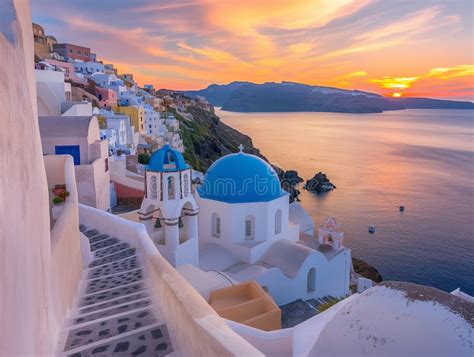
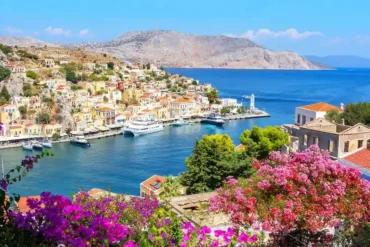
However, the influx of tourists has brought to light significant concerns surrounding overtourism, particularly on popular islands like Santorini, Mykonos, and Crete. These destinations are increasingly strained under the pressure of rising visitor numbers, which impact local infrastructure, natural resources, and the overall quality of life for residents. Santorini, famous for its breathtaking sunsets and charming architecture, has experienced a staggering increase in tourist arrivals over the past decade, leading to overcrowded streets and overbooked accommodations. Similarly, Mykonos faces significant challenges during peak summer months, with overcrowding becoming a pressing issue.
In response to these challenges, the Greek government has initiated several measures aimed at managing visitor numbers effectively. These include limiting cruise ship dockings, imposing visitor caps on certain islands, and introducing regulations on short-term rentals, which have exacerbated housing shortages for locals. Despite these efforts, experts argue that finding a balance between welcoming tourists and preserving Greece’s cultural and natural heritage remains a daunting challenge.
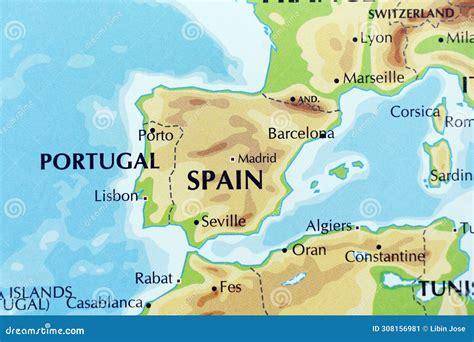
As Greece prepares for an ambitious 2025, it has joined forces with Spain, Turkey, the UK, Portugal, and France to tackle the challenges posed by overtourism collaboratively. This partnership aims to leverage the collective strengths of these nations to foster a more sustainable approach to tourism development across the region. By sharing best practices and innovative solutions, these countries hope to address common issues such as environmental degradation and economic disparity caused by tourism-driven growth.
One of the primary focuses of this collaboration is to diversify tourism offerings, encouraging visitors to explore lesser-known regions and attractions. By promoting hidden gems and off-the-beaten-path destinations, the partnership seeks to alleviate pressure on overburdened hotspots while distributing the economic benefits of tourism more evenly across the region. This strategy not only enhances the visitor experience but also supports local communities that may have been overlooked in favor of more famous destinations.
Additionally, the partnership emphasizes eco-tourism and responsible travel practices. Initiatives will promote sustainable transportation options, support green certifications for hotels and restaurants, and encourage travelers to respect local cultures and environments. This collaborative effort is essential for ensuring that tourism growth does not come at the expense of the region’s cultural and environmental integrity.
Looking ahead, sustainability will be at the forefront of tourism strategies in Greece and its European neighbors. The partnership aims to create a framework for long-term growth that prioritizes environmental protection, cultural preservation, and community well-being. In 2025, Greece is expected to roll out a series of eco-friendly policies designed to minimize the environmental impact of tourism. These policies will include investments in renewable energy sources for tourist accommodations, promoting electric vehicles for transportation, and developing sustainable waste management systems in popular tourist areas.
Preserving Greece’s cultural heritage is another critical aspect of the sustainability strategy. With millions visiting historical sites such as the Acropolis, Delphi, and Olympia, the country is working diligently to protect these iconic landmarks from the adverse effects of mass tourism. Efforts include limiting visitor numbers at key sites, enhancing visitor management systems, and increasing funding for conservation initiatives.
As Greece gears up for another potentially record-breaking year in 2025, it is evident that the nation’s tourism success hinges not only on attracting visitors but also on ensuring that tourism develops in a manner that benefits local communities and the environment alike. The collaboration with Spain, Turkey, the UK, Portugal, and France signifies a promising step towards establishing a sustainable tourism model that balances economic growth with environmental and cultural preservation. With appropriate policies and partnerships in place, Greece is well-positioned to maintain its leadership in European tourism while serving as a global model for sustainable tourism in the 21st century.