The first quarter of 2025 has unveiled a stark contrast in the tourism dynamics across Europe. While countries like Portugal, Germany, France, and Italy grappled with significant challenges, Greece emerged as a beacon of resilience, showcasing a remarkable surge in overnight stays. According to data released by Eurostat, this period illustrated not just numbers but also shifting patterns in the European tourism sector.
In the broader context, the EU registered approximately 452.4 million overnight stays from January to March 2025, marking a slight decline of 0.2% compared to the previous year. This overall downturn highlights the challenges faced by many traditional tourist destinations, yet amidst this backdrop, Greece reported an impressive 3.2% increase in overnight stays, totaling more than 6.1 million in the first quarter.
As European countries continue to navigate the post-pandemic landscape, the tourism sector’s recovery is uneven, with Greece standing out as a strong performer. The country’s ability to attract international visitors while simultaneously fostering domestic tourism has proven crucial in maintaining positive momentum. Germany, for instance, saw a decline of 4.7%, while Italy experienced a marginal decrease of 0.4%. The situation was even more dire for Ireland, which suffered an alarming drop of 18.6% in overnight stays. The stark contrast between Greece’s growth and the declines in these major markets raises questions about the factors contributing to such a divergence.
Greece: The Star Performer in Q1 2025
Greece’s tourism sector in the opening quarter of 2025 can be characterized by robust growth, driven by both international demand and a steady influx of domestic travelers. The data reveals that approximately 2.5 million overnight stays came from international visitors, reflecting a 4.4% increase compared to the same period in the previous year. In addition, domestic tourism contributed 3.6 million overnight stays, marking a 2.3% year-on-year growth. These figures underscore Greece’s balanced approach to tourism, allowing it to thrive even in challenging conditions.
March was particularly noteworthy for Greece, with the month alone accounting for 2.7 million overnight stays—around 45% of the total for the quarter. This spike in activity is particularly impressive given the seasonal downturn experienced across much of the EU during the same period. With Easter occurring in April, many destinations faced a lull, yet Greece appeared largely insulated from these effects, bolstered by its diverse offerings and strategic marketing initiatives.
Diverse Accommodation Preferences
When examining the types of accommodations favored by travelers, Greece remains heavily reliant on traditional lodging options. Hotels accounted for over 94% of all overnight stays during the first quarter, with this segment experiencing a 3.1% year-on-year growth. This trend reinforces the continuing dominance of hotels in the Greek hospitality landscape. However, it is noteworthy that alternative forms of accommodation are also gaining traction. Short-term rentals, including holiday apartments and villas, saw a rise of 3.4%, indicating a growing demand for more flexible and personalized travel experiences. Additionally, despite comprising less than 1% of total stays, camping sites demonstrated the highest growth rate at 4.4%, suggesting a burgeoning interest in nature-based tourism among travelers.
Challenges for Other Major Destinations
While Greece enjoys a positive trajectory, major tourism markets like Portugal, Germany, France, and Italy are facing considerable headwinds. Portugal did manage to achieve modest gains; however, Germany’s decline by 4.7% is indicative of broader regional challenges. The decline in these markets can be attributed to various factors, including economic uncertainty, shifting travel trends, and the lingering effects of the pandemic on consumer confidence.
Germany, for instance, has long been a staple in European tourism, yet its recent struggles reflect a need for adaptation in its tourism strategy. As travelers seek more unique and personalized experiences, traditional offerings may require reevaluation to remain competitive. Similarly, Italy’s slight decline suggests that while the country remains a beloved destination, it must innovate to attract new visitors amidst changing preferences.
Economic and Seasonal Factors at Play
Eurostat’s analysis points to several external factors contributing to the overall decline in EU tourism overnight stays. Shifting dates for public holidays and calendar-related disruptions notably impacted travel volumes across the region, particularly in March. Such fluctuations can create seasonal challenges for many countries that rely on predictable tourism patterns.
Despite these challenges, Greece’s tourism sector has exhibited resilience, effectively managing to insulate itself from these adverse effects. This resilience can be attributed to targeted marketing campaigns, a diversified tourism portfolio, and a strong emphasis on sustainability—all crucial elements in today’s travel landscape.
Looking Ahead: Greece’s Bright Future in Tourism
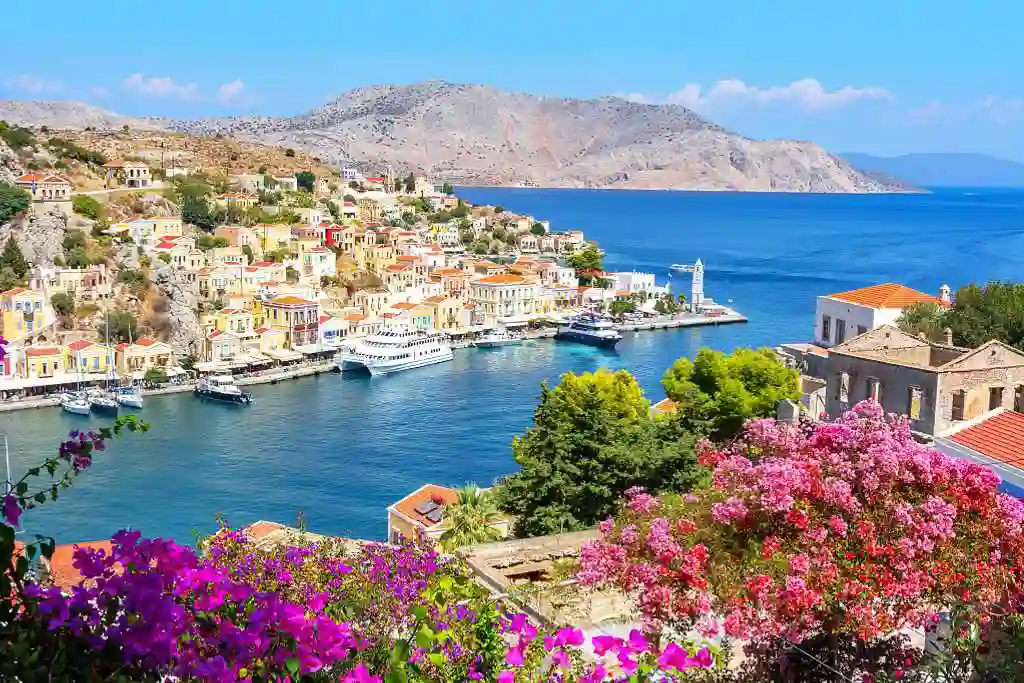
As 2025 unfolds, Greece appears well-positioned to continue its upward trajectory, reinforcing its status as one of Europe’s most dependable and dynamic travel destinations. The nation’s ability to blend global visitor interest with solid domestic engagement ensures a balanced tourism model that can weather economic uncertainties and seasonal fluctuations.
The findings from the first quarter of 2025 not only highlight Greece’s robust performance but also serve as a reminder of the shifting dynamics within European tourism. Countries must learn from Greece’s success, adopting strategies that embrace both international and domestic tourism, while diversifying their accommodation offerings to meet evolving traveler preferences.
As we move further into the year, the eyes of the travel industry will undoubtedly remain fixed on Greece. The country’s successful navigation of the current tourism landscape offers valuable insights for other destinations striving for recovery and growth. With its unique blend of history, culture, and natural beauty, Greece continues to capture the hearts of travelers, ensuring its place as a leader in the European tourism market.