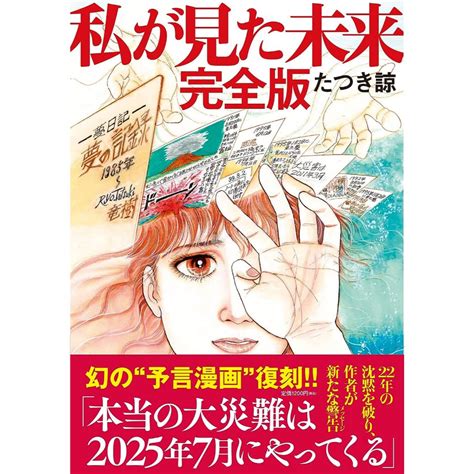
Japan’s tourism sector is grappling with severe challenges following the resurgence of a prophecy from the manga The Future I Saw, authored by Ryo Tatsuki. The prediction, claiming a major disaster will strike Japan on July 5, 2025, has triggered widespread panic, particularly among travelers from Hong Kong, Taiwan, and South Korea. As cancellations surge, the country’s hospitality industry faces a crisis at a time when it was striving to recover from the COVID-19 pandemic.
The Manga’s History and the Rise of Fear
First published in 1999, The Future I Saw initially flew under the radar until it gained notoriety for its alleged foresight of the 2011 Tōhoku earthquake and tsunami. This perceived accuracy lent credibility to its newer predictions, including the ominous claim of a disaster on July 5, 2025. The re-release of the manga in 2021 reignited interest, and its forecast has spread rapidly, stoking anxiety.
Social media has amplified this fear. Viral posts, videos, and blogs—many of which distort or sensationalize the manga’s content—have fanned the flames of public concern. Platforms like YouTube have seen over 1,400 videos on the subject, amassing more than 100 million views. These narratives often weave in additional speculations about volcanic eruptions, meteor strikes, or other catastrophic scenarios, making it challenging for facts to counter fiction.
Sharp Declines in Tourism from East Asia
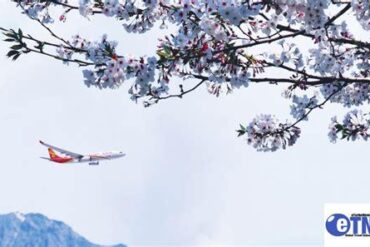
The most tangible impact of the panic is evident in the sharp drop in tourism from key East Asian markets. Flight bookings from Hong Kong to Japan have fallen by over 50% compared to last year, with the late June and early July period seeing an even steeper 83% decline. Travel agencies report that reservations during the popular spring holiday season were significantly lower, and airlines like Greater Bay Airlines are seeing passenger loads slashed in half. The situation is similar for Hong Kong Airlines and other regional carriers, which have scaled back services amid plummeting demand.
Government and Expert Responses to Misinformation
Japanese authorities and experts have mobilized to combat the misinformation. Yoshihiro Murai, governor of Miyagi Prefecture, has urged calm, reminding the public that the manga’s claims are unsubstantiated. Experts from the Earthquake Research Committee emphasize that while Japan is in the Pacific Ring of Fire and vulnerable to natural disasters, precise predictions are not possible. They cite a government report estimating an 80% chance of a significant earthquake in the Nankai Trough over the next 30 years, but stress that no specific date can be forecast.
The Power of Social Media and the Spread of Fear
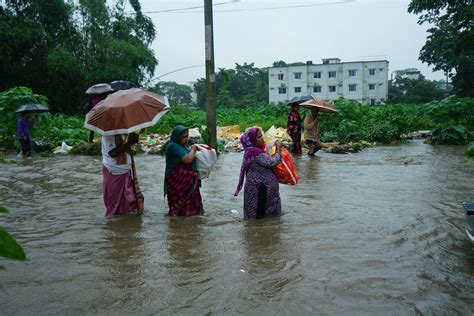
Social media has proven to be a double-edged sword in this crisis. While it connects communities and spreads information, it has also become a conduit for fear-mongering. Sensationalized content reaches millions, making it difficult for reasoned voices to be heard. The Japanese government and tourism boards are running awareness campaigns, but the scale of the panic demonstrates the formidable influence of digital platforms on public perception.
Economic Repercussions for Japan’s Tourism Industry
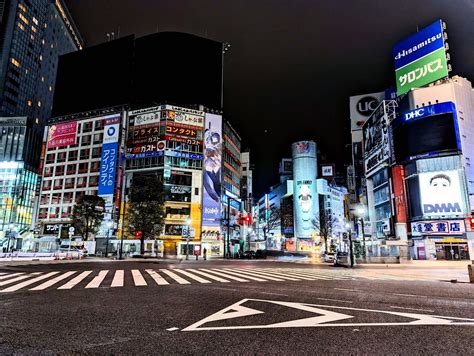
Tourism is a vital component of Japan’s economy, contributing significantly to its GDP. The drop in visitor numbers is rippling through sectors beyond airlines and hotels. Retail districts like Shibuya and Shinjuku report dwindling foot traffic, and cultural landmarks from Kyoto to Hiroshima see fewer visitors. Tour operators, restaurants, and local artisans reliant on tourist spending are feeling the pinch, compounding challenges for an industry that had only just begun to rebound post-pandemic.
Efforts to Rebuild Trust and Counter Fear
Authorities and tourism stakeholders are intensifying their outreach, assuring would-be travelers that Japan remains a safe and resilient destination. Campaigns highlight the country’s robust disaster preparedness, its rich cultural heritage, and the warmth of its hospitality. Even Ryo Tatsuki, the manga’s creator, has called on readers not to take fictional predictions as fact, urging reliance on expert guidance rather than speculation.
Despite these efforts, the psychological impact of the viral prediction persists. Many potential visitors are erring on the side of caution, and the tourism sector faces an uphill battle to restore confidence.
Looking Forward: Navigating a Landscape of Uncertainty
As July 5, 2025 approaches, Japan’s tourism industry remains on edge. While the manga’s prediction is devoid of scientific support, the damage to public confidence is real. The episode underscores the need for stronger strategies to combat online misinformation and foster resilience in the face of fear-driven narratives.
Japan’s ability to weather this storm will depend on the continued collaboration between government bodies, tourism operators, and media platforms. By reaffirming its status as a safe, vibrant destination, Japan can work to ensure that fiction does not dictate its economic future.