Canada is expanding its CF-18 replacement program because the Royal Canadian Air Force (RCAF) faces a critical capability gap. The aging fleet of CF-18 Hornet fighter jets has reached a point where continued operation requires increasingly expensive upgrades, additional maintenance resources, and difficult compromises. While Canada has already committed to acquiring the Lockheed Martin F-35A Lightning II, political uncertainty, rising costs, and industrial concerns have reopened debate over whether the country should continue with its original plan or consider alternatives such as the Saab Gripen E.
The decision is about far more than replacing old aircraft. Canada’s fighter fleet plays a central role in defending the country’s enormous Arctic territory, supporting NORAD (North American Aerospace Defense Command) missions, and responding to increasing military activity near Canadian airspace. With global security conditions changing rapidly, Ottawa cannot afford a prolonged delay in replacing its aging CF-18 Hornet fleet.
Canada’s Aging CF-18 Fleet Has Reached Its Limits
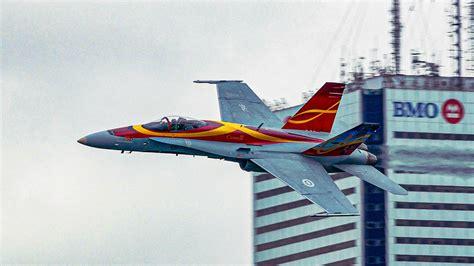
Canada first introduced the McDonnell Douglas F/A-18 Hornet in 1982, with the aircraft becoming known domestically as the CF-18 Hornet after entering service with the RCAF. At the time, the fighter represented a major modernization effort, providing Canada with a versatile aircraft capable of air defense, interception, ground attack, and multinational operations.
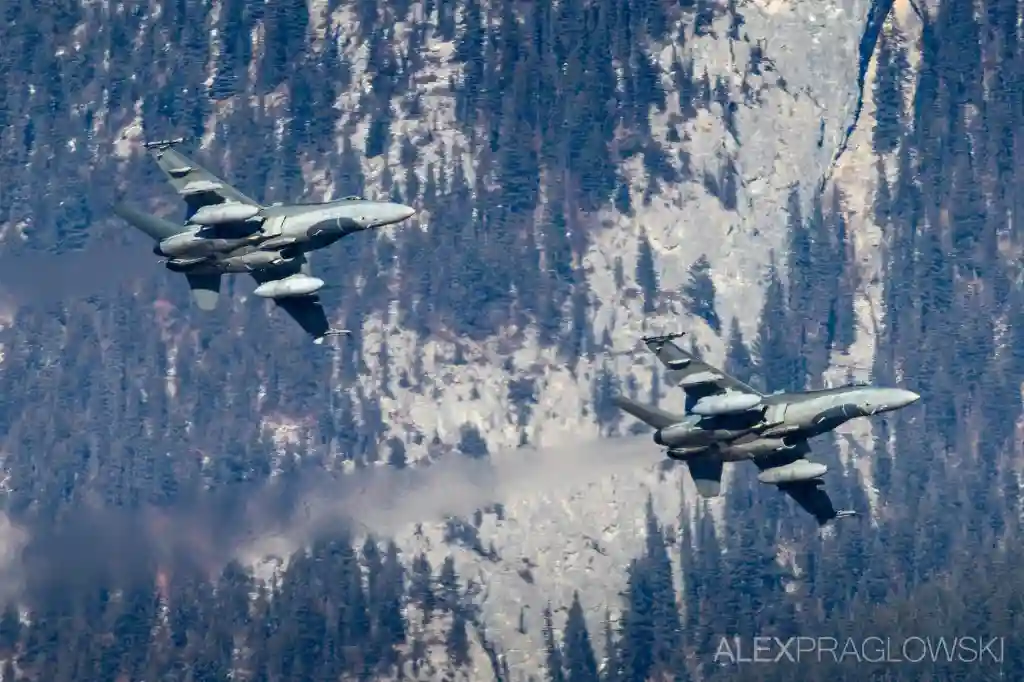
However, more than four decades later, the situation has changed dramatically. Many Canadian CF-18s are approaching the end of their intended operational lifespan, creating significant challenges for the RCAF. Aircraft designed during the Cold War era are now being asked to operate in an environment dominated by advanced sensors, electronic warfare systems, stealth technology, and increasingly capable adversary aircraft.
Maintaining these fighters has become progressively more expensive. Spare parts are becoming harder to source, maintenance requirements are increasing, and older airframes require extensive inspections to remain safe. Some aircraft have accumulated decades of operational stress, creating concerns about structural fatigue and long-term reliability.
Canada attempted to extend the Hornet fleet’s service life by purchasing 25 used F/A-18 Hornets from Australia after the Royal Australian Air Force began retiring its aircraft. While the additional jets helped temporarily increase fleet numbers, the solution created new problems. The Australian aircraft required modifications to match Canadian standards, and several were immediately used as spare parts suppliers rather than operational fighters.
The interim solution has helped Canada avoid an immediate fighter shortage, but it is not sustainable. Keeping the combined fleet operational until the early 2030s is expected to cost more than $1 billion, while still leaving Canada with aircraft that lack many modern defensive systems required for high-threat environments.
Why Canada Cannot Continue Flying Older Hornets Indefinitely
The biggest concern with extending the CF-18 fleet is not only financial. It is also about military effectiveness.
Modern fighter aircraft are increasingly defined by their ability to collect information, communicate securely, avoid detection, and operate within complex electronic warfare environments. Older fighters can still perform basic missions, but they become increasingly vulnerable when facing advanced opponents equipped with modern radar systems, long-range missiles, and electronic attack capabilities.
The current CF-18 fleet lacks the advanced stealth characteristics and integrated sensor networks found on newer fifth-generation aircraft. This creates challenges for Canada’s ability to contribute effectively to NORAD operations, especially as attention toward the Arctic region continues to increase.
Recent encounters involving Russian military aircraft approaching North American airspace have reinforced concerns about Canada’s ability to maintain constant fighter readiness. The Arctic represents a unique defense challenge because of its enormous size, limited infrastructure, extreme weather conditions, and strategic importance.
For Canada, fighter aircraft are not simply offensive weapons. They are a key element of national sovereignty. Without reliable aircraft capable of rapidly responding to potential threats, Canada would increasingly depend on allied forces, particularly the United States, to fill capability gaps.
The F-35A Program Remains Canada’s Preferred Option
Canada originally selected the F-35A Lightning II as the replacement for the CF-18 fleet and planned to acquire 88 aircraft. The program was designed to provide Canada with one of the most advanced fighter fleets in the world, offering stealth capability, advanced sensors, and powerful networking systems.
Canada has already committed financially to the F-35 program, including purchasing initial aircraft components and securing production positions. The first Canadian F-35As are expected to begin arriving for training, with operational aircraft scheduled to eventually enter service in Canada.
The aircraft offers significant advantages. Its stealth design allows it to operate in contested environments where older fighters may struggle. Its advanced sensor suite enables pilots to detect and track threats from greater distances, while its ability to share information with allied forces makes it particularly valuable within NORAD and NATO operations.
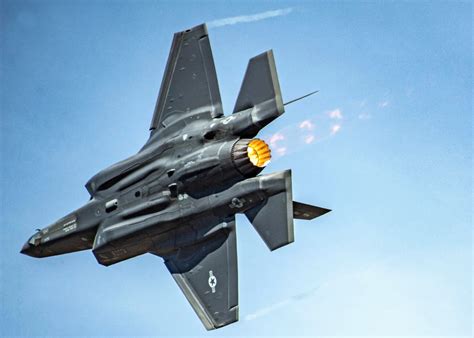
The F-35 also provides industrial benefits for Canada. More than 100 Canadian companies have participated in the global F-35 supply chain, contributing components, technology, and specialized manufacturing capabilities. Thousands of Canadian aerospace workers are connected to the program through manufacturing and maintenance activities.
However, the program has faced increasing political and financial challenges. The projected cost has risen significantly, with estimates exceeding $27 billion. Concerns have also emerged regarding Canada’s dependence on US-controlled systems, especially amid changing political relations between Ottawa and Washington.
These issues have encouraged policymakers to reconsider whether the F-35 remains the best choice for Canada’s future fighter fleet.
Why the Saab Gripen E Has Entered Canada’s Fighter Debate
The main alternative to the F-35 is the Saab Gripen E, a Swedish multirole fighter designed around flexibility, affordability, and operational independence.
Unlike the F-35, which was created primarily around advanced stealth and network warfare capabilities, the Gripen E emphasizes simplicity, rapid deployment, and ease of maintenance. These characteristics are particularly attractive for Canada’s Arctic environment.
The Gripen was designed for Sweden’s demanding northern climate, where aircraft must operate from dispersed locations with limited infrastructure. It can use shorter runways, including highways and smaller airfields, allowing aircraft to survive in situations where traditional air bases may be vulnerable.
A major advantage of the Gripen is its relatively small logistical footprint. Saab designed the aircraft so that a limited number of personnel can refuel, rearm, and maintain it quickly between missions. This approach could provide Canada with greater operational flexibility across its enormous northern territory.
The Gripen also offers greater control over software, upgrades, and maintenance decisions. Supporters argue that this reduces dependence on foreign systems and provides Canada with more sovereignty over its military technology.
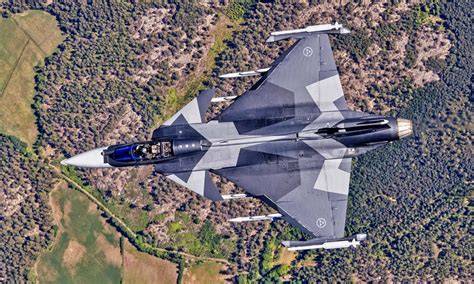
Saab has also proposed significant industrial benefits, including potential Canadian production and maintenance facilities. The company has promoted the possibility of creating thousands of jobs through domestic manufacturing and aerospace investment.
However, switching to the Gripen would also create challenges. Canada would need to restart major parts of the procurement process, negotiate a new agreement, and potentially delay deliveries. Although Saab promotes the Gripen as a faster and simpler solution, changing fighter programs after years of F-35 participation could introduce additional uncertainty.
The Challenge of Balancing Military Capability and Political Reality
Canada’s fighter replacement decision is complicated because it involves multiple priorities that do not always align.
Military leaders generally value the F-35 because it provides unmatched capabilities and integrates seamlessly with many allied air forces. For a country closely connected with the United States through NORAD, interoperability is a major advantage.
The F-35 also provides long-term strategic value. As more NATO countries adopt the aircraft, Canada would benefit from shared training, operational experience, and improved compatibility with allies.
However, political independence and industrial concerns remain important factors. Some Canadian officials worry about relying too heavily on a foreign-controlled system, especially during periods of diplomatic tension.
The Gripen represents a different philosophy. It sacrifices some advanced capabilities in exchange for flexibility, lower operating complexity, and greater national control. For a country like Canada, where aircraft must operate across vast distances and harsh environments, these advantages cannot be ignored.
The decision ultimately depends on how Canada defines future air power. Does the RCAF require the world’s most advanced fighter technology, or does it need a rugged aircraft optimized for national defense missions?
Why Canada’s Fighter Decision Cannot Be Delayed
Regardless of which aircraft Canada chooses, time is becoming the most important factor.
The CF-18 fleet cannot remain operational forever. Every additional year increases maintenance costs, reduces availability, and raises concerns about safety and readiness. The RCAF is already dealing with shortages of experienced pilots and technicians, making an aging fleet even more difficult to sustain.
The arrival of new fighters is also critical because Canada must maintain continuous readiness for NORAD missions. Any gap in capability could force the United States to increase its own fighter deployments to protect North American airspace.
A modern fighter fleet is especially important as Arctic competition increases. Melting sea ice, expanding military activity, and growing interest in northern resources have made the Arctic a strategic priority for many nations.
Canada’s CF-18 replacement program is therefore not simply an aircraft purchase. It represents a long-term decision about national security, industrial development, and Canada’s role among its allies.
The Future of Canada’s Fighter Fleet
Canada’s expansion of the CF-18 replacement program reflects the reality that the country’s fighter capability cannot be delayed indefinitely. The aging Hornet fleet has reached the limits of practical service extension, and a next-generation replacement is urgently required.
The F-35A Lightning II remains the most capable option, offering stealth, advanced sensors, and strong integration with allied forces. The Saab Gripen E, however, provides an attractive alternative focused on flexibility, independence, and Arctic operations.
The final decision will shape the RCAF for decades. Whether Canada continues toward a full F-35 fleet or chooses a different path, the priority remains the same: ensuring that Canadian fighter jets can protect the nation’s airspace in an increasingly uncertain world.
The replacement of the CF-18 is no longer a future modernization project. It is an immediate defense requirement that will define Canada’s air power strategy for the next generation.