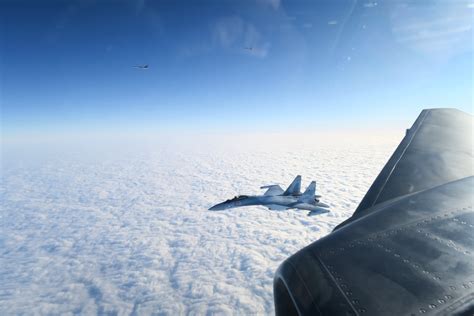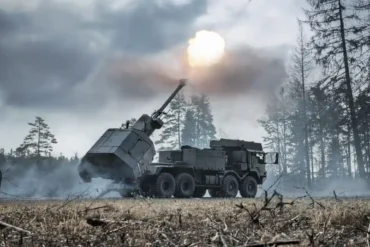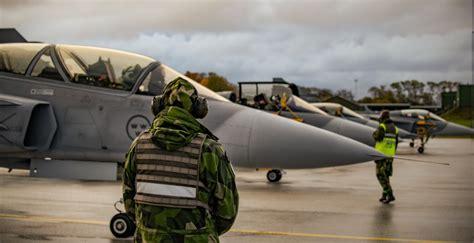
Tensions in the Baltic Sea have escalated to a historic high as Sweden takes a decisive military and geopolitical stance against Russian hybrid threats and maritime sabotage. Amid mounting provocations from Moscow, Stockholm has made clear that zero tolerance is now the doctrine—and the world is watching.
Sweden Draws a Line in the Baltic Sea
The Baltic Sea, once a tense but contained arena, has rapidly transformed into a volatile geopolitical hotspot. At the heart of this change is Sweden, a newly minted NATO member with the largest Baltic coastline among the alliance’s northern states. Facing a clear pattern of Russian sabotage and shadow fleet operations, Sweden is shifting from cautious observer to a central pillar of NATO’s regional security architecture.
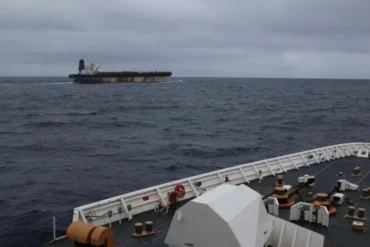
A surge of incidents involving undersea infrastructure sabotage—including damaged cables between Finland, Latvia, and Sweden—has triggered a robust national and alliance-level response. The latest escalation came in May when a Russian-affiliated shadow fleet tanker was intercepted near a critical Poland-Sweden power cable. The vessel retreated only after Polish naval forces intervened. This incident was not isolated but part of an unmistakable pattern.
Russia’s Shadow Fleet: The Threat Beneath the Surface
At the center of the crisis is Russia’s shadow fleet, a loose network of aging oil tankers operating under false flags and dubious ownership. Designed to evade international sanctions, these vessels transport Russian crude—primarily from the high-capacity ports of Primorsk and Ust-Luga—to destinations in Asia via the Baltic.
What makes the shadow fleet especially dangerous is not just its volume—over 50% of it crosses the Baltic—but the cover it provides for clandestine Russian operations. These include the laying of underwater surveillance devices, dragging anchors to sever communication lines, and tampering with critical energy connectors.
The region’s legal complexity and maritime chokepoints create an enforcement grey zone. Until recently, this ambiguity allowed Russia to hide aggressive actions behind commercial shipping activity, but Sweden’s posture is changing dramatically.
From Surveillance to Enforcement: Sweden’s New Strategy
Beginning July 1st, Sweden will require insurance documentation from all vessels, not just those docking in its ports, but also those simply passing through its exclusive economic zone (EEZ). This expands enforcement capabilities significantly and aligns with the EU’s April 2025 directive to curb illegal operations by sanction-evasion vessels.
Prime Minister Ulf Christerson underscored the urgent need for vigilance, stating that “growing incidents in the Baltic demand preparedness.” Justice Minister Gunnar Strömmer went further, labeling the shadow fleet “a threat to maritime safety.” This legislation doesn’t just introduce bureaucracy—it sends a clear deterrent signal to Moscow.

100 Gripen Jets on Standby: Sweden’s Air Power Commitment
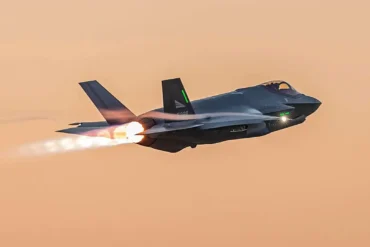
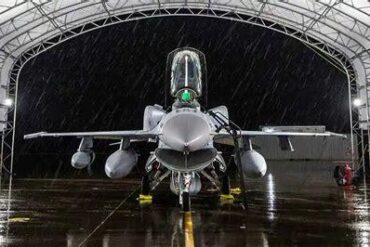
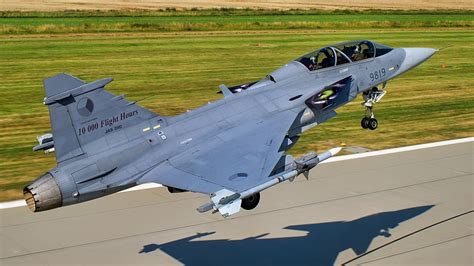
As diplomatic rhetoric between Moscow and Western capitals hardens, Sweden is backing its words with military might. Nearly 100 JAS 39 Gripen fighter jets are now on rapid-response standby. These multirole jets are designed specifically for short-takeoff, Baltic airspace dominance, and are equipped with advanced AESA radars, ECM (electronic countermeasures), and long-range capabilities.
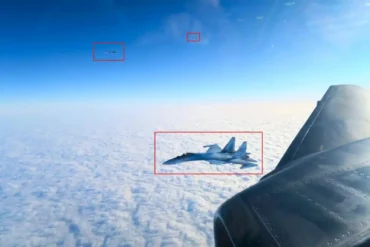
This makes the Gripen fleet a formidable tool—not just for air defense but for direct confrontation, should Russia attempt to threaten Swedish enforcement patrols or conduct aerial incursions. Recent Russian aerospace violations over Finland and Estonia, followed by aggressive diplomatic statements comparing inspections to piracy, have only reinforced the urgency of this deployment.
Naval Deterrence in Shallow Waters
Beyond airpower, Sweden’s naval force composition is uniquely optimized for Baltic warfare. Unlike blue-water fleets focused on deep-ocean capabilities, the Swedish Navy thrives in the shallow, confined waters of the Baltic, where quick maneuverability and stealth are paramount.
This includes:
- Visby-class stealth corvettes equipped with surface-to-air and surface-to-surface missiles
- Gotland-class submarines featuring Stirling engine air-independent propulsion
- Dozens of fast patrol boats and mine-hunting vessels
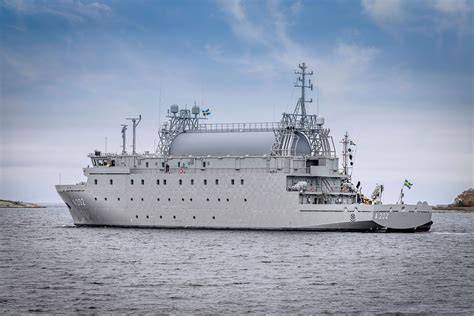
The Navy has already been conducting aggressive monitoring operations, including close shadowing of Russian ships and electronic intelligence gathering. With the new rules, their role expands from observation to enforcement.
Russia’s Retaliation: Escalating the Game
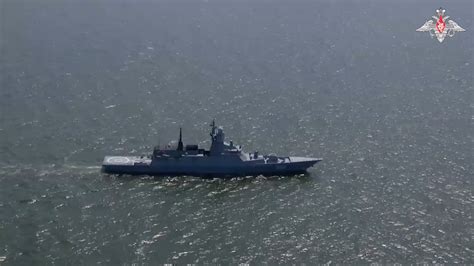
The Kremlin has responded to these changes with characteristic hostility. Moscow has begun deploying military escorts for its shadow fleet tankers, further increasing the potential for direct confrontation. Russia’s ambassador to the UN even accused NATO states of “piracy” over the inspection protocols.
Behind the diplomatic bluster, Russia’s actions indicate real concern. Hybrid tactics have worked well in the Baltic until now, enabling sabotage with plausible deniability. Sweden’s assertive stance threatens that model by imposing legal, logistical, and military hurdles that Moscow can’t easily circumvent.
NATO’s Northern Backbone
Sweden’s alignment with NATO partners—especially Finland, Estonia, and Poland—is bolstering the alliance’s defensive grid in the north. These nations have already begun pushing back against Russian provocations, with joint patrols, mutual radar coverage, and standardized rules of engagement.
Sweden’s entrance adds a geostrategic anchor in the Baltic and elevates NATO’s capacity for coordinated response. In effect, this denies Russia the ability to isolate targets or exploit legal ambiguity in the EEZs of non-aligned states.
Beyond the Ships: The Battle for Infrastructure
While warships and jets are the visible components, the real battlefield lies underwater. Sabotage of subsea cables, pipelines, and sensors can disrupt everything from national internet networks to power grids and military communications.
The damaged SIDATA cable in December 2024 was a wake-up call, followed by a similar event in January involving Latvian-Swedish infrastructure. These were not accidental. They are part of a long-term strategy to undermine Western coherence and capability without triggering open conflict.
Sweden understands this better than most. As a technologically advanced but geographically vulnerable state, it has quietly invested in undersea surveillance, cable redundancy, and strategic cable-laying capabilities. Recent revelations suggest Swedish submarines are now actively patrolling key cable routes, prepared to deter or intercept any attempts at tampering.
Sweden’s Message to the World
This is not just about protecting national sovereignty or even regional stability. Sweden’s actions are a statement of principle, a declaration that hybrid warfare and strategic ambiguity will no longer go unchallenged.
By combining legal, diplomatic, and military tools, Sweden is rewriting the playbook. It is turning the Baltic from a grey zone into a structured security theater, one where provocations will have consequences.
The message to Moscow is unambiguous: “It ends now.”
Conclusion: The New Frontline in Europe
Sweden’s transformation from quiet neutrality to active defense leader signals a tectonic shift in European security dynamics. As NATO deepens its presence in the north, the Baltic becomes the frontline in an emerging doctrine of integrated deterrence.
With fighter jets on standby, warships in formation, and inspection rules in effect, Sweden is challenging the shadow fleet’s dominance and confronting Russian aggression head-on. Whether this results in de-escalation or further conflict remains to be seen. What is certain is that Sweden is no longer standing still.