The security landscape over Eastern Europe has taken a decisive turn as Norway deploys its Lockheed Martin F-35A Lightning II stealth fighters to Poland, marking a significant escalation in NATO’s defensive posture against intensifying Russian aerial activities in the Baltic region. The move, officially confirmed by the Norwegian Ministry of Defence on June 30, 2025, underscores the growing concerns over regional stability and Moscow’s increasingly aggressive maneuvers near NATO’s eastern borders.
The deployment reflects a calculated effort by NATO to reinforce its air policing and deterrence capabilities in response to a sharp uptick in Russian provocations, which have raised alarm among frontline states and alliance commanders alike.
Norway’s F-35 Deployment: A Strategic Signal to Moscow
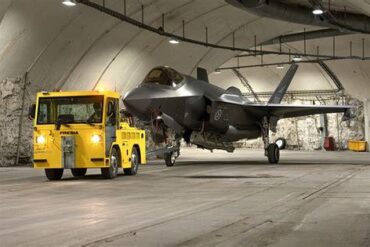
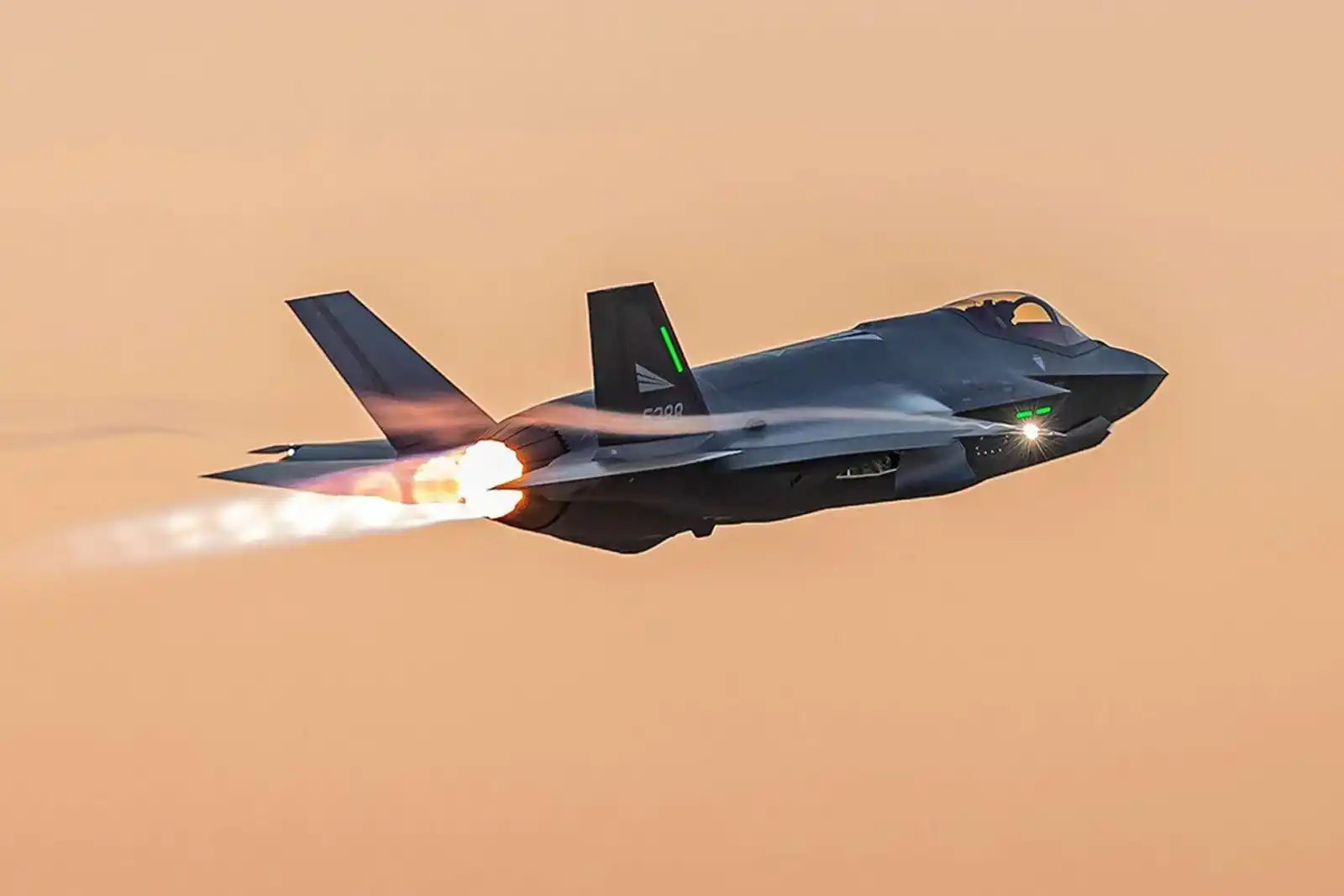
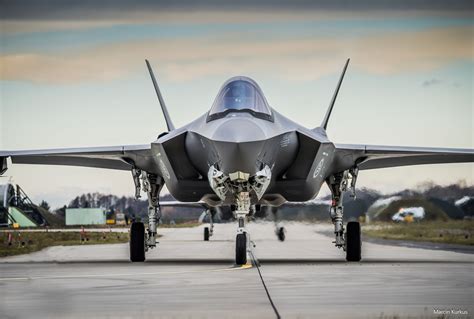
Norway’s decision to forward-deploy its fleet of F-35A Lightning II fighter jets to Polish airbases represents more than mere symbolism. It signals a tangible escalation in NATO’s defensive architecture at a time when the alliance faces persistent pressure along its eastern flank.
The F-35A, widely regarded as one of the most technologically advanced fifth-generation fighters in service, offers a unique combination of stealth, network-centric warfare capabilities, and multi-role versatility. These attributes make it an indispensable tool for airspace control, intelligence gathering, and deterrence operations, especially in contested regions like the Baltic Sea.
According to the Norwegian Ministry of Defence, this deployment aims to “safeguard Polish airspace, protect critical logistical corridors sustaining Ukraine’s defensive operations, and reinforce NATO’s collective deterrence.” With the Baltic region experiencing an uptick in Russian aerial incursions, the arrival of Norwegian F-35s serves both tactical and political objectives, sending an unequivocal message to the Kremlin that NATO’s eastern flank remains non-negotiable.
Surge in Russian Provocations Over the Baltic
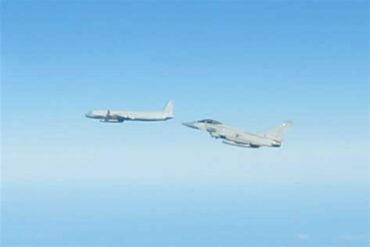
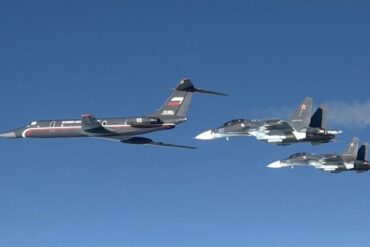
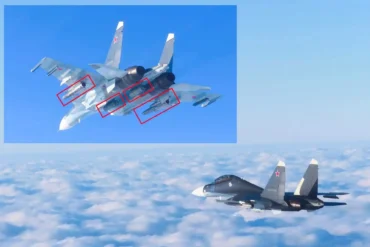
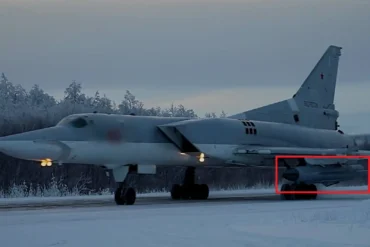
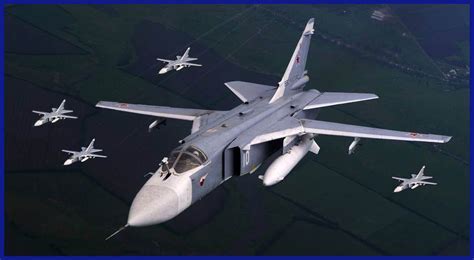
In recent weeks, the Baltic skies have witnessed an alarming escalation in Russian military flights and provocative maneuvers. The most notable incident occurred on May 22, 2025, when a Russian Su-24 Fencer tactical bomber executed dangerous low-altitude maneuvers over international waters near the Baltic Sea. This brazen act prompted an immediate response from Polish Air Force fighters, operating under NATO command, who intercepted the aircraft before it could violate allied airspace.
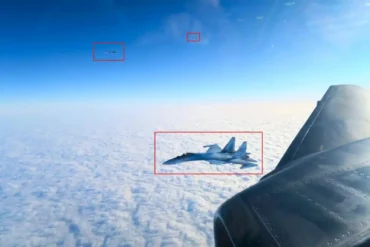
Such incidents have become increasingly common, with Russian aircraft often flying without transponder signals, ignoring air traffic protocols, and probing NATO air defense zones. These actions are part of a broader pattern of military posturing that includes the reactivation of former Soviet military bases and a significant buildup of Russian forces near Ukraine’s Sumy region, where over 50,000 Russian troops have been reported massing.
NATO’s Reinforced Air Policing in Poland
The Norwegian F-35 deployment is part of a coordinated allied effort to strengthen air policing missions along NATO’s eastern borders. In parallel, both the United States and the United Kingdom have increased their contributions to Poland’s air defense operations, deploying advanced aircraft including:
- USAF F-22 Raptors, renowned for their unmatched air superiority and stealth performance.
- Royal Air Force Eurofighter Typhoons, offering high-speed interception and multi-role combat capabilities.
This multinational reinforcement underscores NATO’s collective resolve to counter Russian provocations and safeguard allied airspace. Poland, given its geographic proximity to both Ukraine and the volatile Baltic Sea, plays a pivotal role as a forward-operating hub for NATO’s deterrence strategy.
The F-35A: A Game-Changer for NATO’s Air Dominance
The introduction of F-35A Lightning II fighters into Poland’s defensive network significantly enhances NATO’s operational flexibility and situational awareness in the region. The aircraft’s stealth profile, combined with its sensor fusion and advanced electronic warfare systems, enables it to detect, track, and engage threats across multiple domains — air, land, and sea — while remaining largely undetected.
When compared to other modern fighters, the F-35A distinguishes itself through its seamless integration within NATO’s multi-domain command and control networks. This capability allows allied forces to share real-time battlefield intelligence, coordinate responses to incursions, and execute complex joint operations with unprecedented efficiency.
While the Eurofighter Typhoon and F-22 Raptor each offer specific advantages — high-speed interception and air superiority respectively — the F-35A’s versatility, stealth, and information dominance make it a linchpin of NATO’s evolving air and missile defense posture. Its presence in Poland complicates Russian military calculations, acting as both a shield and a deterrent.
A Unified NATO Response to Russian Escalation
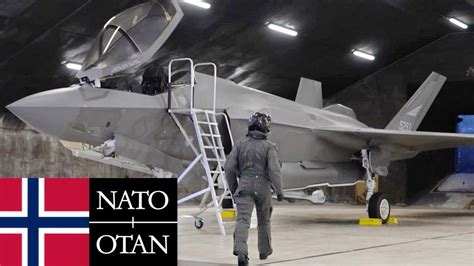
The deployment of Norwegian F-35s to Poland is emblematic of a broader NATO strategy to maintain forward deterrence and reassure frontline states amid rising tensions. With Russian aerial provocations and troop concentrations showing no signs of abating, NATO’s unity and resolve have become critical in preserving regional stability.
Norway’s contribution aligns with recent NATO defense summits emphasizing the need for greater burden-sharing, rapid response capabilities, and enhanced air policing missions along the alliance’s vulnerable eastern frontiers. In this context, the F-35 deployment reflects both operational necessity and political solidarity.
Moreover, Poland’s growing role as a strategic hub for allied operations demonstrates the country’s importance within NATO’s defense architecture. Beyond hosting advanced fighter jets, Poland has been pivotal in facilitating military aid to Ukraine, reinforcing logistics corridors, and providing critical infrastructure for allied forces operating in the region.
Implications for Baltic Security and Regional Stability
The arrival of Norwegian F-35s in Poland is expected to influence the broader security calculus across the Baltic and Eastern Europe. By augmenting NATO’s air policing capabilities, the deployment reduces the risk of unchallenged Russian air operations and limits Moscow’s ability to exploit perceived weaknesses along the alliance’s eastern edge.
It also signals to the Kremlin that NATO remains prepared to escalate its deterrence measures in response to continued provocations. As the Baltic region remains a strategic flashpoint — with vital maritime routes, energy infrastructure, and air corridors at stake — maintaining air superiority and surveillance is paramount.
The deployment contributes to a layered defense framework, enhancing the alliance’s ability to monitor Russian movements, detect early signs of escalation, and respond swiftly to emerging threats. The presence of stealth-enabled F-35s bolsters both the credibility and the operational reach of NATO’s deterrence posture.
Conclusion: A New Chapter in NATO’s Eastern Defense Strategy
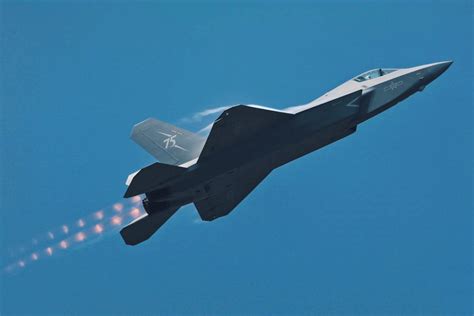
Norway’s deployment of its F-35A Lightning II fighter jets to Poland is more than a tactical maneuver; it marks a significant escalation in NATO’s efforts to counteract Russian aggression and reassure allies along its eastern frontier. As tensions continue to mount over the Baltic Sea and near Ukraine’s borders, the alliance’s commitment to collective defense and deterrence remains unwavering.
With Russian provocations persisting, the strategic presence of F-35s in Poland reinforces NATO’s ability to project power, defend critical airspace, and ensure regional stability. The message to Moscow is clear: NATO’s skies are not open for intimidation, and the alliance stands ready to defend every inch of its territory.
The coming months will reveal whether these deployments succeed in deterring further Russian escalation or mark the beginning of a more prolonged standoff over Eastern Europe’s contested airspace.