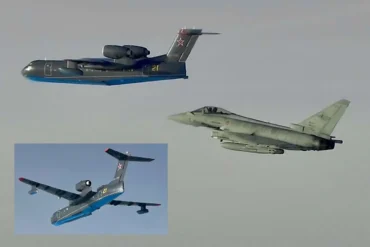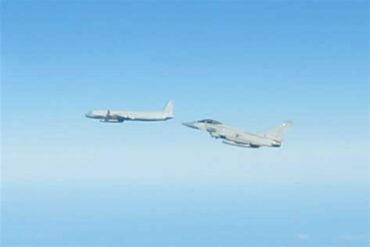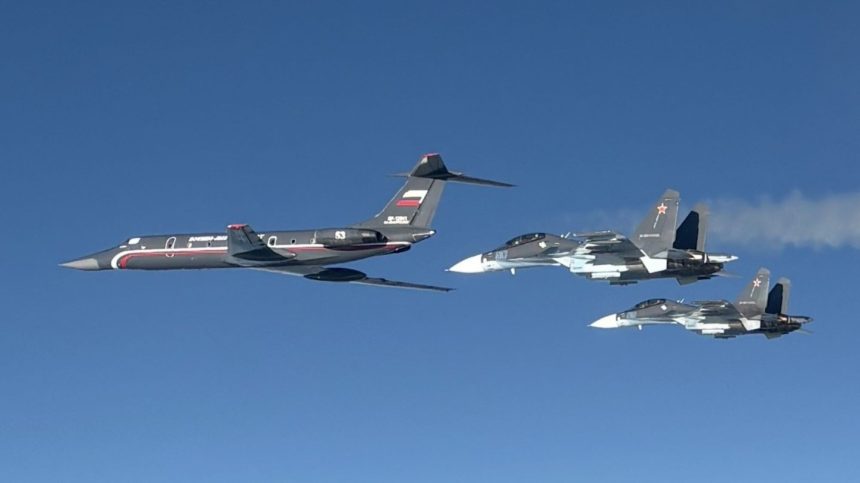
In a dramatic display of NATO’s vigilance over Eastern Europe, the rare Russian Tupolev Tu-134UBL, known as the ‘Black Pearl,’ was intercepted by Italian Eurofighter Typhoons during a Baltic Air Policing mission over the Baltic Sea. This intercept is part of NATO’s broader strategy to secure its airspace against growing Russian military activity in the region.
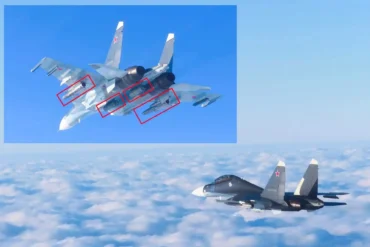
The incident, reported by NATO Air Command on November 21, 2025, highlights the increasing frequency of Russian air operations near NATO’s eastern borders. This particular intercept involved not only the Tu-134UBL but also two Sukhoi Su-30SM2s and a Su-24 tactical bomber, all of which were flying in close formation. The intercepted aircraft, which were part of a larger Russian military presence, had been flying over international waters near the Baltic states. As NATO continues to respond to Russia’s heightened military posture, the intercepted ‘Black Pearl’ stands out due to its unique history and role in Russian aviation.
The Tu-134UBL: A Rare Sight Over the Baltic

The Tupolev Tu-134UBL, a modified version of the Tu-134A, is a rare and enigmatic aircraft in Russia’s fleet. Originally designed as a trainer for the crews of Russia’s strategic bombers, including the Tu-160 and Tu-22M3, the Tu-134UBL has since been repurposed for VIP transport duties. With its sleek black fuselage and sharp aerodynamic design, it is often referred to as the ‘Black Pearl’ among aviation enthusiasts. Its interception by the Italian Eurofighters adds an unusual chapter to NATO’s ongoing monitoring of Russian military activities.
The Tu-134UBL’s interception, however, is just one of several recent incidents that underscore a growing concern over Russian air operations near NATO borders. NATO Air Policing missions, such as the one conducted by the Italian Eurofighters, are vital in ensuring the integrity of airspace and preventing unauthorized or aggressive air maneuvers by foreign military forces.
Escalating Russian Military Activity Along NATO’s Eastern Border
The interception comes on the heels of increasing Russian incursions into NATO airspace, particularly in the Baltic region. In late October 2025, Polish MiG-29s intercepted a Russian Il-20 reconnaissance aircraft flying without a filed flight plan and with its transponder off. This followed a tense series of incidents, including a mid-September airspace violation by Russian MiG-31 fighters in Estonian airspace, which lasted nearly 12 minutes before being intercepted by Italian F-35s.
These actions reflect a broader pattern of Russian air activities in the region, which have grown more frequent and aggressive over the past year. Russian fighter jets, reconnaissance planes, and even drones have violated or skirted NATO airspace in recent months, prompting NATO to bolster its Air Policing efforts. This increase in Russian aerial presence has contributed to a heightened state of alert for NATO forces, especially those stationed in the Baltic states.
NATO’s Response and the Role of the Eastern Sentry
NATO’s response to these incidents is part of the broader Eastern Sentry initiative, which aims to enhance NATO’s deterrence and defensive capabilities along its eastern flank. This initiative is designed to increase flexibility and strength in NATO’s posture, ensuring that member states are better equipped to respond to threats in real-time. The deployment of Italian Eurofighter Typhoons, based in Estonia, plays a crucial role in intercepting unauthorized aircraft, particularly in the face of growing Russian aggression.
As NATO continues to monitor the situation in the Baltic, the intercept of the Black Pearl Tu-134UBL serves as a reminder of the ongoing military tension in the region. The mission demonstrates the preparedness of NATO’s air forces to respond quickly and effectively to potential threats, ensuring the security and sovereignty of NATO’s airspace against external violations.