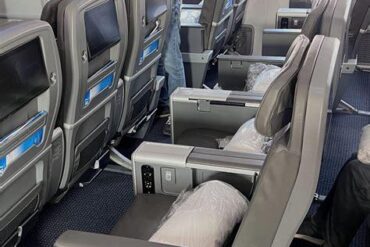
The most consequential change in how Korean Air sells its cabin happened quietly, inside a booking curve that anyone with dashboard access could watch but few outsiders would notice. Kenneth Chang, Executive Vice President and Chief Marketing Officer at the carrier, described the reversal to Simple Flying’s Sumit Singh in terms that left no room for interpretation: the order in which the aircraft fills has turned upside down. For years, economy sold out first and the premium cabins absorbed the leftovers. Now the premium cabins disappear before the back of the plane does.
That single sentence carries more weight than a demand statistic usually does, because it changes who is sitting in the suites. A premium cabin that sells last is filled by the passengers who remain, often holding discounted fares or upgrades granted at the gate. A premium cabin that sells first is filled by people who went looking for it, compared it against alternatives, and paid for it deliberately. Chang’s observation is that those passengers arrive with a different standard in mind, and the airline has spent the years since the pandemic restructuring its premium product around that standard rather than around its own historical baseline.
The Reversal In Korean Air’s Premium Cabin Demand Since The Pandemic
Chang’s account of the shift is blunt and specific. “After COVID, a lot of people are traveling more on prestige than economy,” he said. “Previously, economy seats sell out first, then we would have some prestige leftovers. Now it’s vice versa. Our upper classes are being sold out first before economy, so their expectation is different when they come into the plane.”
The demand observation itself is familiar ground for anyone who has tracked post-2022 airline reporting, where carriers across regions have described a stubborn willingness among travelers to pay for space and service. What matters for Korean Air is the operational conclusion drawn from it. When premium seats clear the inventory first, the airline can no longer treat those cabins as a yield-management afterthought that fills on price at the last minute. They become the primary product, and the passengers buying them become the reference point for every decision about food, crew, tableware, and timing.
What A Premium Passenger Is Actually Buying In Business Class
Chang resists the industry habit of describing the premium purchase as a seat. “Like I said, they’re buying a space not just to relax, but they want to buy an experience,” he said. The distinction reads like positioning copy until it is applied to product design, at which point it becomes an operational constraint with real costs attached. An airline selling a seat competes on specifications that fit on a comparison chart, including pitch, width, bed length, and screen size. An airline selling an experience competes on the parts of the flight that never appear on a seat map.
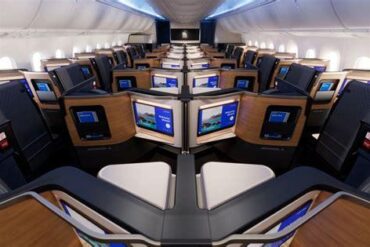
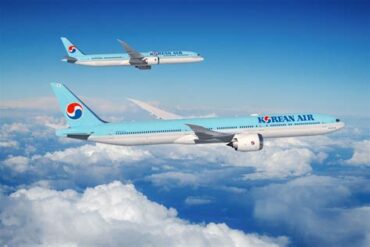
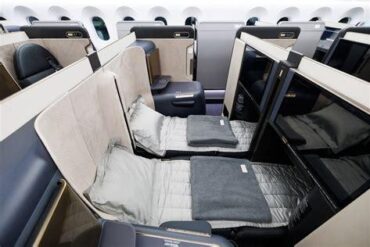
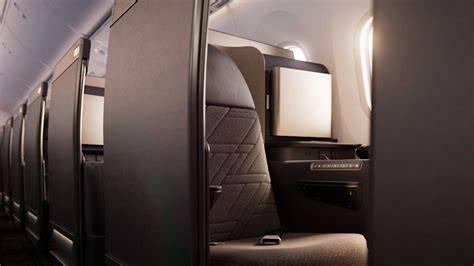
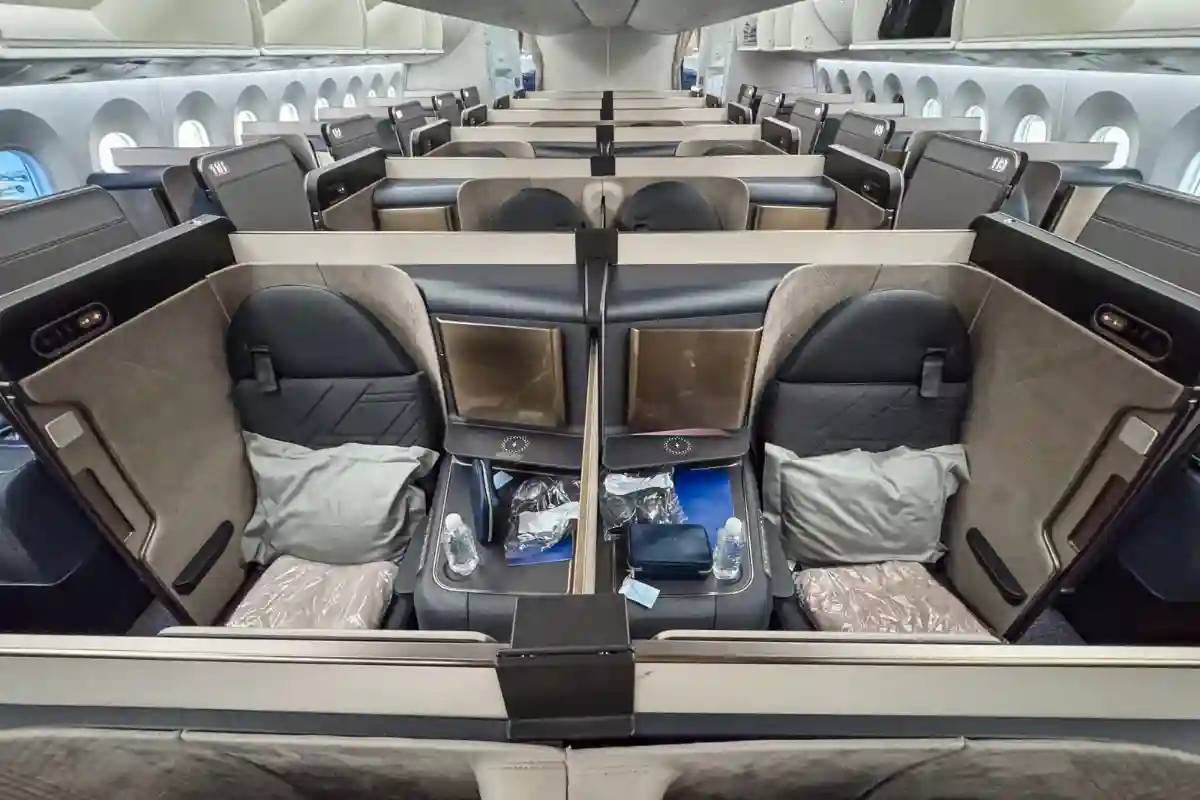
Korean Air has the hardware to keep the claim honest. Its Prestige Suites 2.0 business class debuted on the Boeing 787-10 in 2024 and reached refitted Boeing 777-300ERs in September 2025. The suites use a customized version of the Collins Aerospace Horizon platform designed by PriestmanGoode, laid out 1-2-1 so that every passenger has direct aisle access, and they offer 46 inches of pitch, a 78-inch fully flat bed, and a 24-inch 4K screen. Chang treats that specification as a starting line. Everything else he described concerns what surrounds the seat rather than the seat itself, which is where the premium experience is actually won or lost.
Where Korean Air Put Its Increased Investment In Premium Service
Chang was direct about scale. “We’ve actually ramped up our, I would say, level of investment in the premium classes,” he said, pointing to the result: “So far with the new premium classes, with the changes that we did in not only the meals, but the way we serve.” The phrasing joins two things that airlines often budget separately, because a menu is a procurement decision and the manner of serving it is a staffing and training decision. Korean Air has treated them as one investment.
Simple Flying sampled the product on a Seoul to London flight, a route currently flown by the 777-300ER carrying the previous generation of cabin, which is scheduled to switch to the 787-10 after the merger with Asiana. Even in the older cabin, the premium intent was legible through generous space, attentive service, and prime cuts of steak, which is the kind of evidence that suggests the investment sits in service culture as much as in fittings.
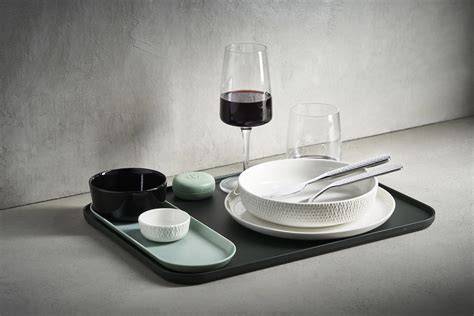
The customer reaction Chang reports is telling because the comparison passengers reach for is not another airline. “When customers see this experience, they’re like, ‘Wow, this feels like a first or five-star hotel, or, you know, a Michelin two-star hotel,’ and culinary supports that,” he said. External recognition points the same direction. Korean Air took the Best Cabin Service honor at the 2026 APEX Best Awards, holds a Skytrax Five-Star Global Airline rating for a sixth consecutive year, and has earned gold medals from Business Traveller’s Cellars in the Sky awards for its wine program. The cabin serves on Armani Casa tableware with Frette bedding, which is what makes the hotel comparison credible instead of aspirational.
Why Korean Air Rebuilt Its Cabin Crew Training From Scratch
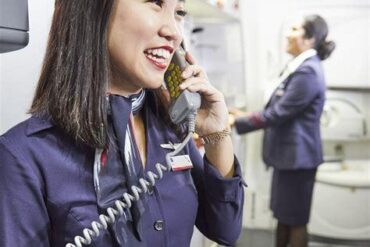
The most substantive thing Chang said concerned people rather than product. New seats meant new training, and Korean Air chose not to adapt the program it already ran. “With that, with the new seats, we wanted to make sure that our cabin crew, who’s servicing them, is retrained,” he said. “We don’t want to take the old training process and do the same thing because fleets are different, seat configuration is different, customer experience is going to be different.”
That is a harder decision than it sounds. Rebuilding a cabin crew training program is expensive, slow, and almost entirely invisible to the customer in a way that a new seat is not. An airline can install the hardware, refresh the menu, and leave crew procedures broadly intact, and most passengers would never identify what was missing. Chang’s argument is that a suite with a closing door demands a different service pattern from a 2-2-2 cabin, and running the old pattern inside the new cabin produces a mismatch that no amount of tableware can disguise.
Dine-On-Demand Service In Long-Haul Prestige Suites 2.0
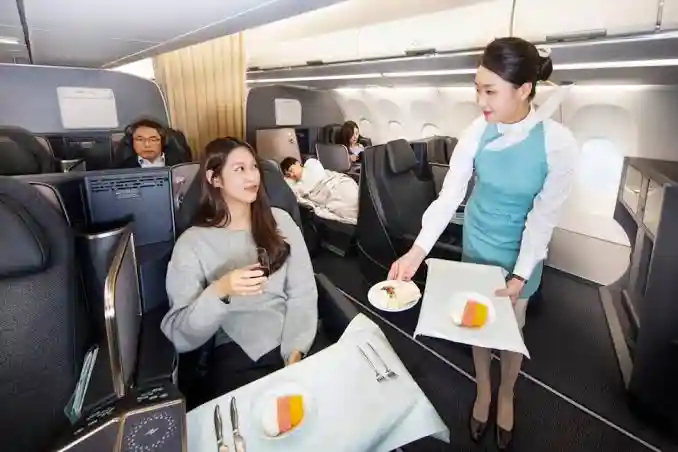
One change gives concrete shape to what tailor-made means in practice. On long-haul Prestige Suites 2.0 services, Korean Air has moved to a dine-on-demand structure. Crew take each passenger’s order during boarding instead of working a fixed trolley sequence after departure, and the first service is anchored at roughly 90 minutes after takeoff but can be moved earlier or later at the passenger’s request.
That is an operational change rather than a menu change. A crew running a fixed service pattern executes the same sequence on every flight, and performance can be measured against a script. A crew running dine on demand is managing a different timeline for every suite in the cabin, which is precisely the work the old training program was never designed to support. The revamp extended beyond the training itself. “We actually revamped not only the catering or the surroundings around it, like chinaware, we’ve also revamped our cabin crew training to make sure that they keep up to par in terms of what the customers want, and we try to provide the tailor-made services as much as we can,” Chang said. Tailor-made is the operative phrase, and only crew can deliver it. A seat is identical for every passenger who sits in it. The service around it is the only variable an airline can adjust in flight.
A Wine List And Menu Rotation Every Three Months
The final point Chang raised addresses a problem specific to the passengers an airline most wants to keep. A traveler flying the same route in the same cabin several times a year meets the same product repeatedly, and familiarity works against an experience that is sold on being special. Korean Air’s answer is rotation. “We decided to change our wines every three months,” Chang said. “We go through different cycles, so we have three new meals going through every three months, and we change wines as well too, so that frequent flyers do not get stuck with the same crew, same wine, the same experience.”
The New First Class Suite Arriving In 2028
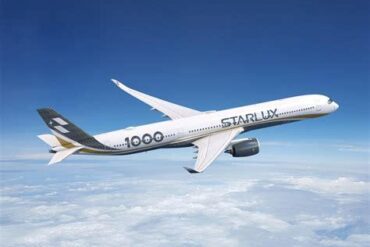
The investment is not finished. Korean Air has confirmed an entirely new first class suite for 2028, designed by PriestmanGoode, the firm behind Prestige Suites 2.0. David Pacey, the carrier’s Executive Vice President and Chief of In-flight Service and Lounges, told Executive Traveller that the cabin will appear on incoming Airbus A350s, Boeing 777-9s, and Boeing 787s.
The existing 777-300ERs are moving the other way, losing first class entirely as they receive Prestige Suites 2.0 in refit. That detail reveals where Korean Air believes demand sits. The airline is building new first class for its newest aircraft while converting existing first class cabins into more business class seats, which is the same bet the booking data describes, placed on the next decade of fleet deliveries. If premium cabins keep selling out before economy, the smarter use of a finite fuselage is more of the cabin people actually pay for.
What The Premium Seat Shift Means For Travelers Booking Korean Air
For travelers, the practical consequence of the reversal is timing. When premium cabins fill first, booking late no longer means flying up front at a discount. It means flying economy while someone else takes the suite, and upgrade certificates and mileage requests face a harder field because the paid inventory has already cleared. For Korean Air, the consequence is a product standard set by passengers who chose the cabin rather than inherited it, which is the more demanding of the two conditions. That is why the money went into meals, tableware, wine cycles, and a training program rebuilt rather than patched. The seats sold out first. Everything around them now has to earn the fare.