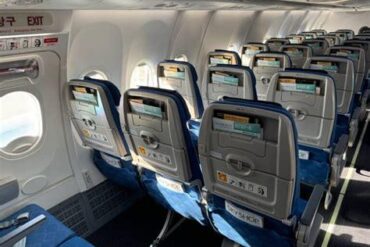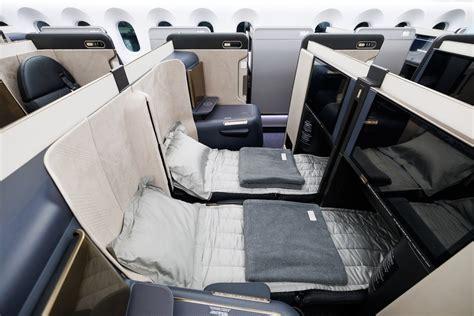
Korean Air has unveiled a transformative shift in its service offerings, launching premium economy seating for the first time and announcing extensive renovations to its lounges in the United States. These developments mark a pivotal step in the airline’s post-pandemic strategy, following its high-profile acquisition of Asiana Airlines and a comprehensive brand refresh that includes a new logo, livery, and onboard experience overhaul.
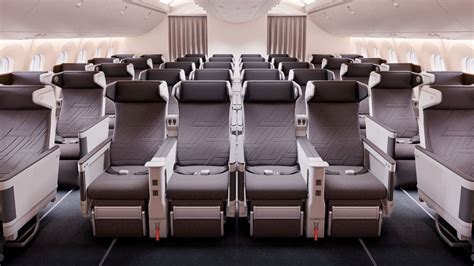
Strategic Shift: Phasing Out First Class in Favor of Premium Economy
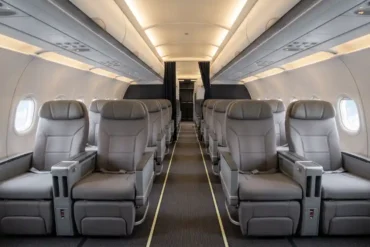
Korean Air is joining a growing list of global carriers that are re-evaluating the role of first class in favor of more commercially viable offerings. As part of this initiative, the airline will retrofit 11 of its Boeing 777-300ER aircraft with a new three-cabin configuration, featuring:
- Prestige Class (business class)
- All-new Premium Economy
- Standard Economy
This move entails the removal of first-class cabins from these aircraft entirely. The decision aligns with evolving passenger preferences and market demands, particularly among long-haul travelers seeking an elevated experience without the high costs associated with lie-flat business class seating.
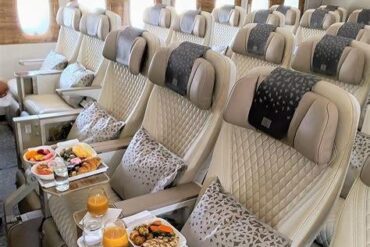
Unlike traditional economy class, premium economy cabins offer increased legroom, wider seats, enhanced meal services, and priority boarding — features that cater to modern travelers who prioritize comfort and convenience without straining their travel budgets.
Market Dynamics: Following a Global Trend
Korean Air’s strategy reflects a broader industry-wide shift away from first class, a product that, while luxurious, caters to a limited segment of the market. Instead, airlines are increasingly doubling down on their business and premium economy offerings.
Notable peers like American Airlines and Japan Airlines have recently revamped or removed first-class cabins, redistributing that space to enhanced business-class suites or premium economy sections. Korean Air’s approach balances operational efficiency with customer expectations, ensuring competitive edge on international routes.
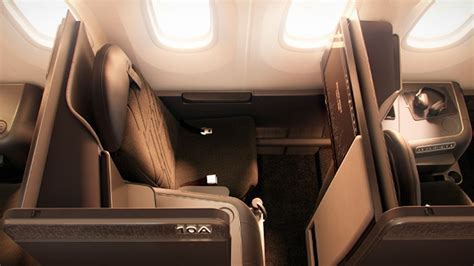
Last year, the airline debuted its Prestige Class 2.0, introducing private suites equipped with sliding doors — an amenity quickly becoming standard among premium cabins. This further narrows the experiential gap between first and business class, reducing the incentive for airlines to maintain costly first-class products.
The Future of Comfort: Korean Air’s Premium Economy Rollout
Korean Air’s premium economy retrofits will commence in late 2025. The first of the updated Boeing 777-300ER aircraft is expected to enter service in the second half of the year. The remaining 10 aircraft will be gradually upgraded through 2026.
These retrofits signal Korean Air’s commitment to modernizing its fleet. However, as of the latest announcement, the airline has not disclosed plans to install premium economy on other wide-body aircraft such as the Boeing 747, 787 Dreamliner, or the Airbus A330, A350, and A380. This suggests a targeted, data-driven approach to deployment, likely focusing on routes with consistent premium economy demand, such as those to North America and Europe.
Within the context of Asian aviation, Korean Air’s introduction of premium economy also mirrors actions by EVA Air, which recently relaunched its premium economy product — a cabin type it helped pioneer in the late 1990s. This growing interest underscores the cabin’s rising importance in the long-haul market.
Enhancing the Ground Experience: Lounge Redesigns in the U.S.
Equally noteworthy in Korean Air’s announcement is its plan to transform its lounge experiences, starting with its flagship international locations in the United States. The airline has committed to a complete redesign of its lounges at John F. Kennedy International Airport (JFK) in New York and Los Angeles International Airport (LAX).
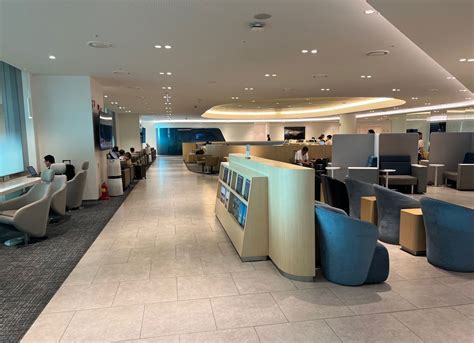
These upgrades aim to infuse the lounges with “city-themed atmospheres” that reflect their respective locales. While specific design elements were not disclosed, the move suggests an emphasis on cultural integration, architectural elegance, and traveler immersion. This aligns with modern lounge trends that favor unique, place-based aesthetics over generic international templates.
The redesigned spaces are expected to provide:
- Elevated dining experiences with local and international cuisine
- Expanded seating with improved privacy and comfort
- High-speed connectivity and optimized workspaces
- Spa-like shower suites and rest areas
By prioritizing these amenities, Korean Air aims to appeal to business and premium leisure travelers, reinforcing its brand as a full-service carrier that excels both in the air and on the ground.
Incheon Hub Expansion: Preparing for the Asiana Merger
At its home base of Incheon International Airport (ICN) in Seoul, Korean Air is also preparing for increased passenger volumes and expanded operations resulting from its merger with Asiana Airlines. The airline confirmed plans to expand its existing lounge footprint at ICN, though no architectural renderings or timelines have been shared yet.
This expansion is crucial. Incheon is one of Asia’s busiest transit hubs, and with the Asiana integration underway, Korean Air will need to accommodate a broader base of elite flyers, frequent travelers, and alliance partners. The SkyTeam member currently partners with Delta Air Lines, Air France, and KLM, among others — partnerships that significantly influence lounge access and passenger flow.
Booking Flexibility: Multiple Pathways for Redemption and Purchase
Korean Air remains one of the more versatile carriers when it comes to flight redemption and ticketing options. Travelers can:
- Pay directly with cash via Korean Air’s booking platform
- Redeem miles through the Skypass loyalty program
- Use SkyTeam alliance partners to book award flights, including Delta, Air France, and KLM
This flexibility makes it easier for loyalty members across partner airlines to experience the updated cabins and lounges, increasing the reach and visibility of Korean Air’s investments.
Competitive Implications: A New Era for Korean Aviation
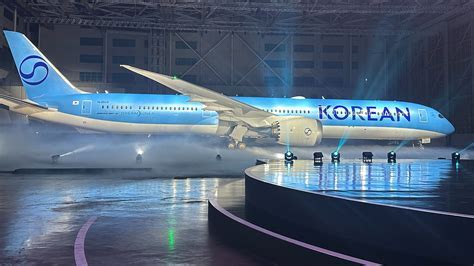
Korean Air’s current transformation is not occurring in isolation. The airline’s pending merger with Asiana Airlines is poised to create one of the largest carriers in the Asia-Pacific region. This consolidation will not only reshape domestic aviation but also strengthen the airline’s global competitiveness.
These product improvements — especially the introduction of premium economy and upscale lounge renovations — are critical components of this strategy. They represent a holistic approach to customer experience that touches every phase of the journey, from check-in to landing.
Moreover, the focus on aircraft like the 777-300ER, long favored for its long-haul range and operational efficiency, suggests Korean Air is looking to fortify its transpacific and intercontinental market share, particularly to and from the United States.
Conclusion: A Bold Redesign Anchored in Practical Luxury
Korean Air’s announcement signals not just a cabin refresh but a redefinition of its brand promise. By replacing underutilized first-class cabins with premium economy — a service class more aligned with today’s traveler expectations — and rejuvenating its ground experience with modern, immersive lounges, the airline is laying the foundation for a new standard of air travel in the post-pandemic era.
This initiative is part of a broader transformation — one that combines operational pragmatism with customer-centric luxury. As the airline prepares to finalize its integration with Asiana, these changes offer a glimpse into what the future of Korean aviation could look like: refined, efficient, and unmistakably premium.