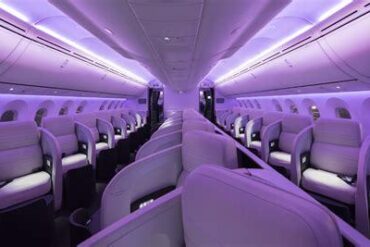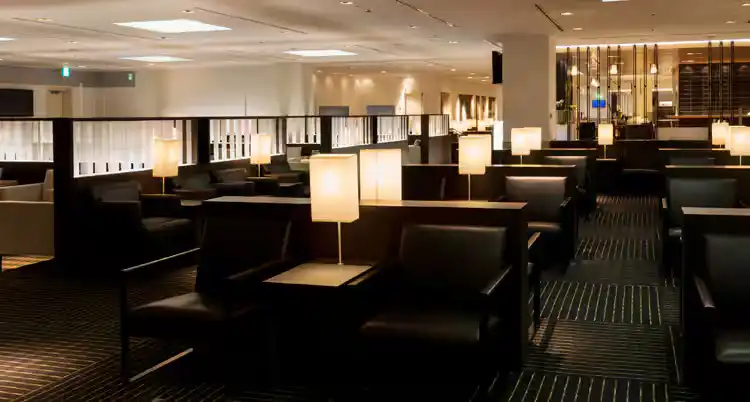
Premium economy has evolved into a highly sought-after cabin class, offering a comfortable and cost-effective middle ground between economy and business class. While the seat, service, and overall experience are often closer to economy than business, some airlines offer perks that rival business class—lounge access being one of the most coveted among them. However, not all airlines extend this privilege to premium economy travelers. In this article, we examine the select airlines that provide lounge access with premium economy tickets, and explore why this remains an exceptional benefit rather than a standard feature.
Understanding Premium Economy: What It Really Offers
Premium economy was introduced in the early 1990s by EVA Air and has steadily grown into a global product class. Its purpose is to bridge the gap between economy and business class. The typical premium economy seat includes wider dimensions, increased recline, more legroom, and often priority services, such as early boarding and dedicated check-in counters.
What it rarely includes, however, is lounge access. In fact, lounge entry is traditionally reserved for business and first class passengers, or frequent flyers with elite status. The few airlines that grant this privilege to premium economy travelers use it as a unique selling point to differentiate themselves in competitive markets or within specific regions.
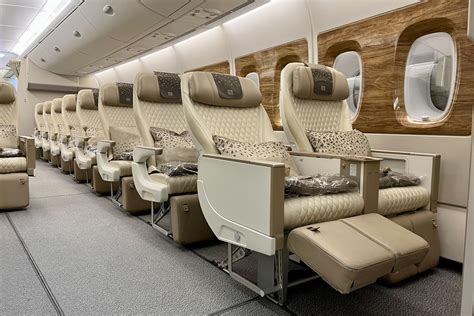
All Nippon Airways: Premium Economy With Lounge Access at Strategic Airports
All Nippon Airways (ANA), a leading Star Alliance member and one of Japan’s premier carriers, offers one of the most comprehensive lounge access programs for premium economy passengers. Lounge access is granted at:
- Tokyo Narita International Airport
- Tokyo Haneda Airport
- Honolulu Daniel K. Inouye International Airport
Premium economy travelers can access the ANA Lounges, which are also used by business class passengers. Although ANA previously offered access at Osaka Kansai International Airport, this lounge has since closed, and no alternative has been made available to premium economy travelers there.
ANA’s lounge access extends through partner airlines and alliance networks. In Southeast Asia, for instance, ANA premium economy travelers may access:
- Thai Airways Lounge and Miracle Lounge (Bangkok)
- Garuda Indonesia Lounge (Jakarta)
- Malaysia Airlines Golden Lounge (Kuala Lumpur)
- SATS Premier Lounge (Singapore)
This policy applies only if at least one segment of the trip is operated by ANA or an ANA Group airline, and passengers must travel on premium economy tickets—not upgrades or codeshares. Not all lounges accessible to business class are open to premium economy, but in most cases, ANA ensures there’s at least one viable option.
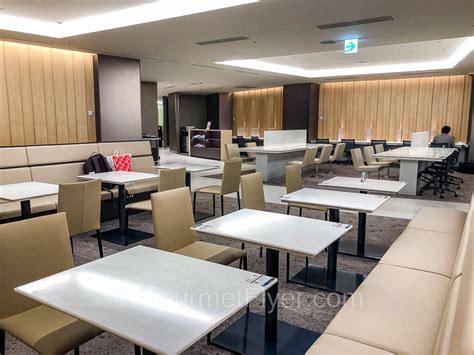
Japan Airlines: Competing With ANA On Lounge Benefits
Japan Airlines (JAL), ANA’s main competitor and member of the oneworld alliance, offers a similarly generous lounge access policy for premium economy travelers. Lounge access is granted at:
- Tokyo Narita
- Tokyo Haneda
- Osaka Kansai
- Nagoya Chubu Centrair
In international markets, JAL extends access to Sakura Lounges in locations such as Honolulu, Frankfurt, Bangkok, and Manila. These lounges provide a comfortable environment, complete with refreshments, workspaces, and shower facilities.
For destinations beyond its own lounge network, JAL utilizes oneworld partner lounges. Premium economy travelers are granted access, although this does not apply to same-day upgrades or codeshare flights, where eligibility is more restricted.
What sets JAL apart is the consistency of the Sakura Lounge experience, which balances the refined elegance expected of Japanese service with practical traveler needs. The rivalry between ANA and JAL in this domain ensures that both maintain high service standards, often exceeding what passengers expect from premium economy.
SAS Plus: Europe’s Technical Inclusion of Lounge Access
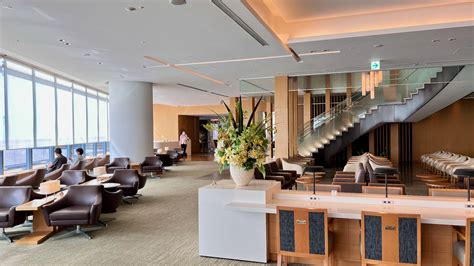
Scandinavian Airlines (SAS) offers three cabin classes: SAS Business, SAS Plus, and SAS Go. While SAS Plus is marketed as premium economy, especially on long-haul routes, it operates differently within Europe. On intra-European flights, SAS Plus functions as the airline’s highest service class, which entitles travelers to lounge access.
Lounge access for SAS Plus passengers is available in:
- Copenhagen
- Stockholm
- Oslo
- Gothenburg
This also extends to partner lounges across Europe and SkyTeam lounges, although it is limited to flights within the region. For long-haul SAS Plus passengers, lounge access is generally not included unless purchased separately or earned via frequent flyer status.
This strategy reflects SAS’s operational model: intra-European flights often lack a dedicated business class, making SAS Plus the de facto premium product. As such, lounge access is positioned not as a premium economy perk per se, but as a regional business class feature.

LATAM Airlines: Lounge Access on Short-Haul International Flights
South America’s largest carrier, LATAM Airlines, offers premium economy exclusively on its narrow-body aircraft, such as the Airbus A320 family. The seating resembles economy but with a blocked middle seat, akin to the business class setup on short-haul European flights.
Premium economy passengers on international routes are granted access to LATAM Lounges located in:
- Santiago
- Bogotá
- São Paulo
- Buenos Aires
- Miami
Additionally, LATAM partners with third-party lounges at select airports, extending lounge access to premium economy passengers where applicable. This perk is not extended to domestic routes or to passengers flying LATAM within a single country.
Interestingly, despite LATAM’s lack of a widebody premium economy product, the airline positions its short-haul premium economy as a true business class experience within the Latin American context. This mirrors SAS’s intra-European strategy, where premium economy substitutes for regional business class.
Why Lounge Access Remains Rare for Premium Economy Travelers
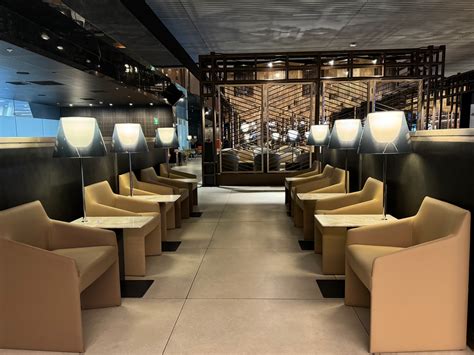
The reality of premium economy today is that most airlines position it closer to economy than to business class. While the hard product varies—ranging from true recliner seats with footrests to economy-style seats with blocked middles—airlines typically reserve lounge access for higher-revenue business and first class tickets.
This divide exists for several reasons:
- Cost Management: Lounges are expensive to operate. Widespread access would increase overhead.
- Passenger Segmentation: Airlines want to preserve the exclusivity of business class.
- Revenue Maximization: Lounge access is often sold as an ancillary upsell or bundled with elite status.
In regions like Japan and Scandinavia, where market dynamics or airline structure necessitate a stronger value proposition, airlines have chosen to provide lounge access as a differentiator. But globally, the model skews conservative.
Airlines That Do Not Offer Lounge Access With Premium Economy
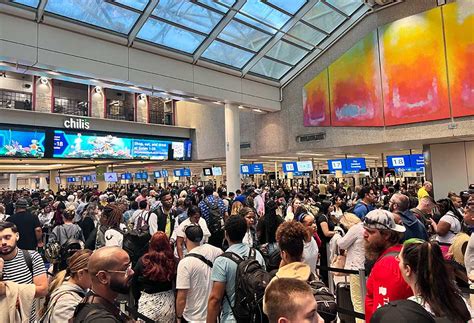
Many globally recognized carriers, including Emirates, Singapore Airlines, Lufthansa, Qantas, and British Airways, do not provide lounge access to premium economy passengers unless they hold elite status or purchase lounge entry separately. This reflects a more rigid separation between cabin classes and maintains a clear value distinction for premium fare structures.
Even airlines known for luxurious long-haul service draw a firm line between premium economy and business class in terms of airport privileges.
The Competitive Influence of Japanese Carriers
What makes ANA and JAL stand out is their mutual competition. Both are headquartered in Tokyo, fly overlapping routes, and consistently rank among the world’s best airlines. As such, if one offers a benefit like lounge access in premium economy, the other must match or risk losing premium travelers.
This duopolistic dynamic benefits passengers, especially on transpacific routes. In contrast, carriers in other regions face different pressures—such as the dominance of low-cost competitors or regulatory constraints—that shift the focus away from premium frills.
Conclusion: A Rare Luxury Worth Considering
Lounge access with a premium economy ticket remains the exception rather than the norm. Only a select few carriers—primarily ANA, JAL, SAS, and LATAM—offer this benefit, and often under specific conditions. For the savvy traveler, this can be a powerful factor when choosing an airline.
Travelers seeking this elevated pre-flight experience should always verify access policies directly with the airline, as terms may vary based on route, fare class, or lounge availability. As premium economy continues to grow in popularity and profitability, more airlines may eventually follow suit. Until then, the few that do offer lounge access provide a glimpse into what the future of mid-tier travel comfort could become.