Air travel used to be a blessedly disconnected bubble. Today, it is a flying co-working space, a messaging hub, and for some, an extension of the living room couch. Free WiFi in economy class has quietly become one of the most decisive factors shaping airline choice, especially on long-haul and business-heavy routes. Passengers no longer ask whether WiFi exists onboard; they ask whether it is free, fast, and reliable enough to be useful.
This shift did not happen overnight. Airlines have spent years experimenting with pricing models, satellite providers, and bandwidth limits, all while passenger expectations marched relentlessly upward. The result is a fragmented but rapidly evolving landscape where some carriers treat connectivity as a core product feature, while others still ration it carefully.
Understanding which airlines provide free in-flight WiFi in economy class requires more than a simple list. Coverage depends on aircraft type, route structure, satellite technology, and even loyalty program enrollment. What looks generous on paper can feel limited in practice, and what appears modest can be surprisingly effective in the air.
Before diving into specific airlines, it helps to understand how onboard internet actually works, why speeds vary so dramatically, and why “free” rarely means unlimited.
How In-Flight WiFi Actually Works at Cruising Altitude
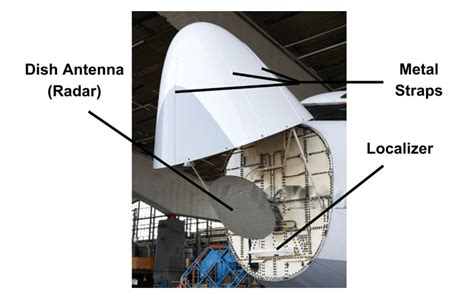
In-flight WiFi functions through a carefully orchestrated chain of connections linking the aircraft to the global internet while traveling at nearly 900 km/h. Antennas mounted on the fuselage connect either to ground-based transmission towers or to satellites orbiting the Earth. Inside the cabin, onboard routers distribute that connection to passengers’ devices in a way that feels familiar, even if the infrastructure behind it is anything but.
On short-haul flights over land, air-to-ground (ATG) systems connect aircraft directly to a network of cellular-style towers. These systems offer relatively low latency and stable performance, but coverage disappears the moment the aircraft leaves land. That makes ATG ideal for domestic flights, particularly in countries with dense ground infrastructure.
Long-haul and transoceanic flights rely almost exclusively on satellite-based systems. Here, data travels from the aircraft to space and back down to Earth-based stations. Traditional geostationary (GEO) satellites, positioned far above the planet, can cover enormous areas but introduce noticeable latency. Newer low-Earth orbit (LEO) satellites, flying much closer to Earth, dramatically reduce lag and allow faster, more responsive connections.
Bandwidth onboard is shared among everyone logged in. That reality explains why airlines often restrict video calls, streaming quality, or large downloads. Even the most advanced system has finite capacity when 200 passengers are refreshing feeds at the same time.
Why Free WiFi Is a Strategic Decision, Not a Giveaway
Providing WiFi is expensive. Satellite bandwidth costs airlines millions annually, and retrofitting aircraft with modern antennas is neither quick nor cheap. When an airline offers free WiFi in economy, it is rarely an act of generosity alone. It is a calculated investment designed to improve brand perception, drive loyalty program sign-ups, or differentiate the carrier in competitive markets.
Some airlines subsidize connectivity through advertising or partnerships with technology firms. Others fold the cost into ticket pricing, betting that passengers will choose them over rivals because staying connected matters more than a slightly cheaper fare. A few airlines use WiFi as a loyalty lever, offering it free only to registered frequent flyers, effectively turning connectivity into a data-rich engagement tool.
These strategic choices explain why “free WiFi” can mean anything from unlimited high-speed browsing to basic messaging with strict caps. With that context in mind, the airlines themselves tell a fascinating story.
Airlines Offering Completely Free WiFi in Economy Class
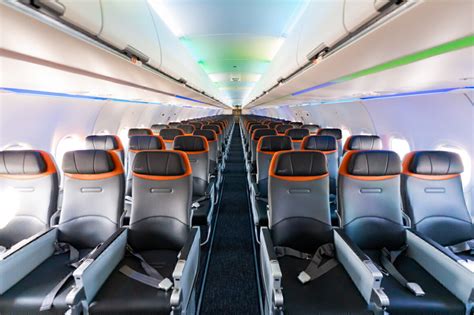
JetBlue has built its reputation on treating free high-speed WiFi as a standard feature rather than a perk. Its Fly-Fi system, available on nearly the entire fleet, offers speeds that often rival ground-based connections. Passengers in economy can browse the web, stream content, and stay connected gate to gate without pulling out a credit card or logging into a loyalty account. On many aircraft, Fly-Fi supports speeds of up to 20 Mbps, making real-time streaming entirely realistic.
Norwegian Air quietly followed a similar philosophy on short-haul European routes. While the airline’s long-haul ambitions have fluctuated over the years, its commitment to offering free WiFi for browsing and messaging on regional flights remains a customer-friendly constant, especially appealing to price-conscious travelers who still want connectivity.
In Australia, Virgin Australia and Qantas have both embraced free WiFi across most domestic services. Virgin Australia was a regional pioneer, extending free connectivity not only within Australia but also on trans-Tasman routes to New Zealand. While speeds are modest, typically suitable for email, messaging, and light browsing, the psychological impact of “free” significantly enhances the onboard experience.
These airlines treat connectivity as an extension of hospitality. The message is simple and powerful: if you bought a seat, you deserve to stay connected.
Airlines Offering Free WiFi with Loyalty or Membership Conditions
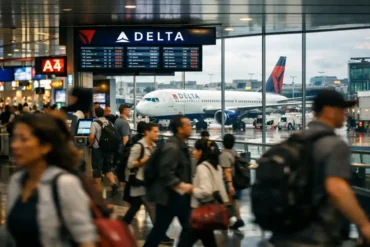
Several major airlines provide free WiFi in economy class, but only after passengers take a small administrative step. Delta Air Lines exemplifies this model. SkyMiles members enjoy free, fast WiFi on most domestic U.S. flights and an expanding number of long-haul routes. The sign-up process is quick, free, and heavily encouraged, turning connectivity into a loyalty ecosystem rather than a standalone service.
Delta’s adoption of next-generation satellite systems, including Starlink, has significantly improved reliability and speed. For many passengers, the experience feels close to home broadband, a rare achievement at altitude.
Emirates applies a similar but more restricted approach. Members of Emirates Skywards receive free WiFi on most flights, including in economy, although data allowances and speeds are capped. With over 30 million members worldwide, the airline uses WiFi as a powerful incentive to enroll passengers in its loyalty program, even for a single flight.
Air New Zealand offers free WiFi on selected aircraft, particularly its Airbus A320neo fleet and newer long-haul jets. Economy passengers can browse, message, and use social media, though streaming and voice calls are typically restricted. The airline emphasizes fairness of access, ensuring stable performance rather than unrestricted use.
In these cases, free WiFi becomes part of a broader digital relationship between airline and passenger.
Airlines Offering Partial or Limited Free WiFi in Economy
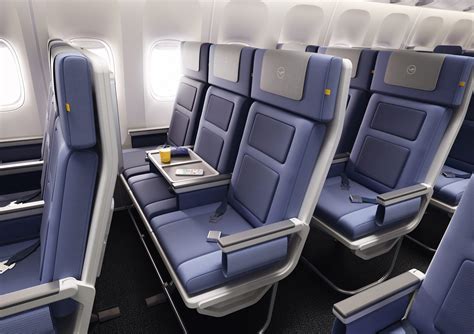
Some airlines focus on meeting basic communication needs without opening the bandwidth floodgates. Lufthansa Group carriers, including Lufthansa and SWISS, allow free messaging through apps such as WhatsApp and iMessage. Passengers can send texts, emojis, and photos throughout the flight, but full internet access requires payment.
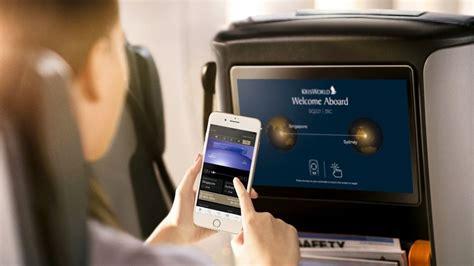
Singapore Airlines blends generosity with structure. KrisFlyer members in economy receive complimentary WiFi with data limits, while premium cabin passengers enjoy unrestricted access. Non-members can join KrisFlyer for free, making connectivity accessible with minimal friction. This model balances customer satisfaction with cost control on long-haul routes.
Japan Airlines takes a time-based approach. Economy and premium economy passengers receive one hour of free WiFi, enough for essential communication and light browsing. Those needing more can purchase additional access, while business and first-class travelers enjoy unlimited connectivity.
These partial models reflect a pragmatic compromise. Airlines acknowledge the necessity of connectivity while managing the economic realities of satellite bandwidth.
How Aircraft Type and Route Shape Your WiFi Experience
A crucial but often overlooked factor is the aircraft itself. Two flights operated by the same airline can deliver wildly different WiFi experiences depending on onboard hardware. Newer aircraft, especially those delivered with LEO-compatible antennas, consistently outperform older jets retrofitted with legacy systems.
Route geography also matters. Over oceans or remote regions, even advanced systems face challenges, while dense satellite coverage over North America and Europe tends to deliver better performance. This explains why airlines often roll out free WiFi first on domestic or short-haul networks before expanding globally.
For passengers, the practical takeaway is simple: free WiFi in economy is most reliable on newer aircraft flying well-covered routes.
The Psychological Impact of Free Connectivity
Free WiFi changes how passengers perceive time. A flight with reliable internet feels shorter, more productive, and less isolating. Emails get answered, messages flow, and entertainment becomes personalized rather than dictated by seatback screens.
Airlines understand this effect deeply. Studies consistently show higher satisfaction scores among passengers who can stay connected, even if they barely use the service. The mere availability reduces anxiety and increases perceived control, two powerful factors in travel psychology.
This is why airlines increasingly advertise WiFi availability as prominently as legroom or onboard meals.
The Future of Free WiFi in Economy Class

The future of in-flight connectivity is accelerating toward faster, cheaper, and more universal access. LEO satellite networks are expanding rapidly, reducing costs per megabyte and making free WiFi economically viable on a global scale. Airlines that once charged aggressively are now reevaluating their models as passenger expectations harden.
In the coming years, free WiFi in economy is likely to become the norm rather than the exception, particularly on long-haul routes where connectivity matters most. Streaming-quality video, cloud-based work, and even real-time collaboration are moving from novelty to baseline expectation.
Airlines that fail to adapt risk appearing outdated, regardless of how modern their cabins look. Connectivity has become invisible infrastructure, noticed only when it fails.
Choosing an Airline Based on Free WiFi: What Actually Matters
When evaluating airlines for free in-flight WiFi, the headline promise matters less than execution. A limited but stable connection often beats unlimited access that barely functions. Aircraft age, satellite provider, and network management policies all shape the real experience.
Savvy travelers look beyond marketing slogans and pay attention to fleet updates, route-specific coverage, and user reports. Airlines that invest consistently in connectivity tend to treat it as a core product feature rather than a promotional checkbox.
Free WiFi in economy is no longer about novelty. It is about respecting how people live, work, and communicate in a world where being offline is the exception, not the rule.
As aviation continues its quiet digital transformation, the question is no longer which airlines provide free WiFi, but which ones deliver it well enough that you forget you are flying at all.