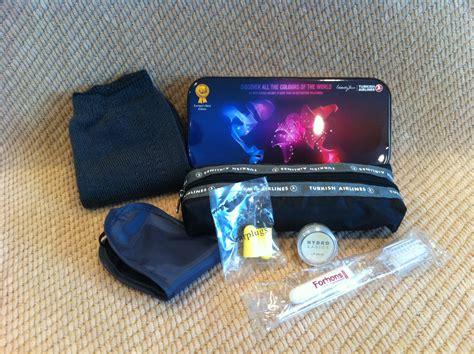
Long-haul economy class travel sits at a strange intersection of endurance and expectation. Passengers accept tighter seats and fewer frills, yet quietly hope for small mercies that make ten or fifteen hours in the air feel humane. Among those mercies, the amenity kit occupies a special place. It is compact, inexpensive by airline standards, and psychologically powerful. A simple pouch with socks, an eye mask, or lip balm signals care, preparation, and respect for passenger comfort, even in the most crowded cabin on the aircraft.
For decades, amenity kits were symbols of exclusivity, reserved almost entirely for business and first class travelers. Economy passengers were expected to fend for themselves, perhaps grabbing a toothbrush from the lavatory or improvising sleep with a jacket and a tray table. In recent years, however, a small but influential group of airlines has begun challenging that norm. On select long-haul routes, these carriers now provide true economy class amenity kits, reshaping expectations and quietly raising the bar for inflight comfort.
This shift has not happened evenly. Some airlines distribute kits generously on ultra-long-haul flights, others restrict them by route length, and a few provide them only upon request. The result is a patchwork of experiences where the airline you choose can significantly affect how rested, comfortable, and cared for you feel upon arrival.
Understanding What an Amenity Kit Really Is
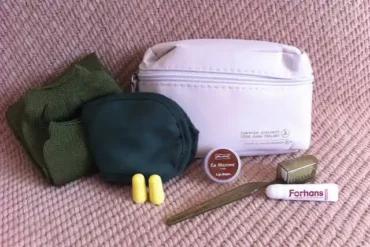
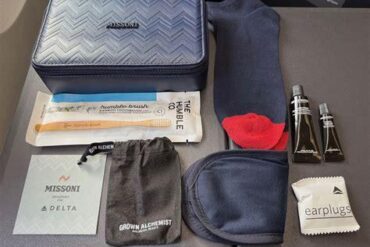
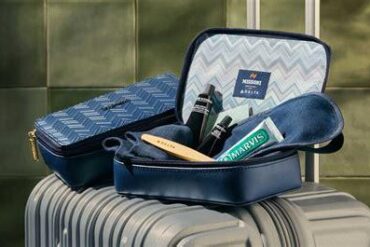
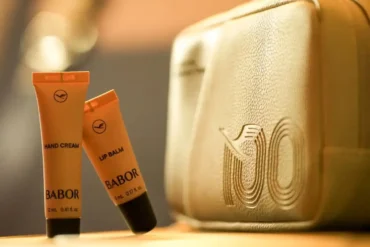
An amenity kit is more than a pouch of travel-sized items. It is a microcosm of an airline’s service philosophy. Traditionally, these kits include essentials designed to reduce discomfort caused by dry cabin air, noise, and disrupted sleep cycles. Common contents are eye masks, earplugs, socks, a dental kit, and occasionally skincare products like hand cream or lip balm. In premium cabins, the materials, branding, and product quality escalate dramatically, but the underlying purpose remains the same: mitigate the physical toll of flight.
The origins of amenity kits stretch back to the early days of commercial aviation. In the 1930s, airlines handed out cotton, gum, or simple toiletries to help passengers cope with loud, unpressurized cabins. During the glamorous mid-century era of air travel, these kits became more elaborate and indulgent, sometimes including razors, cologne, or smoking accessories. Today, while smoking kits are mercifully gone, amenity kits have evolved into a blend of practicality, branding, and sustainability messaging.
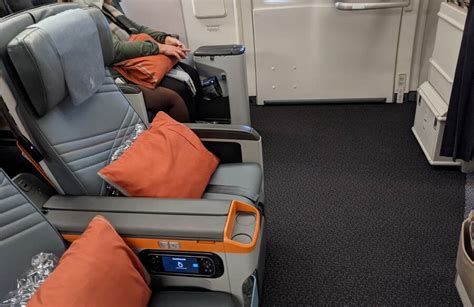
In the modern airline industry, amenity kits also serve as subtle marketing tools. A thoughtfully designed pouch can be reused, photographed, and shared online, extending the airline’s brand far beyond the flight itself. Even in economy class, this matters. A passenger who feels looked after is more likely to remember the airline favorably, especially after a long overnight journey.
Emirates and the Middle Eastern Benchmark for Economy Comfort
Among airlines offering amenity kits in economy class, Emirates stands as the most consistent and widely recognized example. On what the airline categorizes as longer flights, economy passengers receive a compact pouch themed around wildlife, with multiple designs rotating throughout the year. Inside, travelers typically find socks, a sleep mask, earplugs, a dental kit, and a lightly scented card that doubles as a bookmark.
What makes Emirates notable is not just the inclusion of the kit, but the intent behind it. The airline emphasizes sustainability, using materials designed for reuse and minimizing single-use plastics where possible. While the items are not luxurious, the presentation feels deliberate rather than perfunctory, reinforcing Emirates’ broader reputation for taking economy class seriously on long-haul routes.
Etihad Airways follows a similar but slightly more restrained approach. Economy class amenity kits are provided on flights exceeding six hours, packaged in simple pouches available in several muted colors. The contents focus on essentials, typically including earplugs, a sleep mask, and a small hand cream from Beekman 1802. The absence of flashy branding is intentional, keeping the experience functional and understated.
Qatar Airways occupies an interesting middle ground. When the airline first introduced economy class amenity kits in 2017, it did so with considerable fanfare, highlighting partnerships with brands such as Institut Karité Paris and Miradent. Early kits included lip balm, a dental kit, socks, and an eye mask, signaling an ambition to elevate economy travel across the board. Over time, however, passenger reports suggest the contents have been simplified, often reduced to the most basic items. The gesture remains, but the original richness has softened, reflecting broader cost and consistency challenges.
Turkish Airlines and the Power of Branded Economy Kits
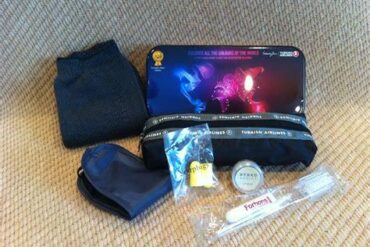
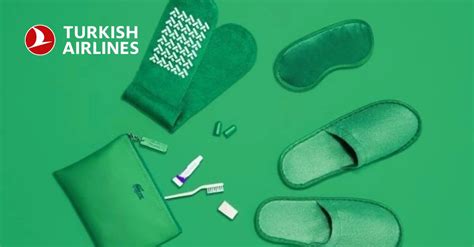
Outside the Middle East, Turkish Airlines is the standout carrier offering a genuinely branded amenity kit in true economy class. On flights longer than eight hours, passengers receive a Lacoste-branded pouch available in multiple colors. This is not a token offering. Inside, travelers typically find a dental kit, lip balm, earplugs, socks, slippers, and a sleep mask, creating a surprisingly comprehensive comfort package for economy class.
The Lacoste partnership matters. Brand recognition elevates the perceived value of the kit, even if the individual items are similar to those offered elsewhere. Turkish Airlines understands that perception shapes experience, and by associating economy class with a respected lifestyle brand, it narrows the psychological gap between cabins.
Qantas also provides economy class amenity kits on select international routes, though availability varies by aircraft and distance. These kits usually include a dental kit, an eye mask, and earplugs, packaged in a pouch made from recycled materials. Qantas emphasizes sustainability and transparency, noting that while kits are not guaranteed on every flight, essential items can be requested onboard. The approach feels practical and honest, even if it lacks the flair of Turkish Airlines’ branded offering.
Singapore Airlines and the Request-Based Model
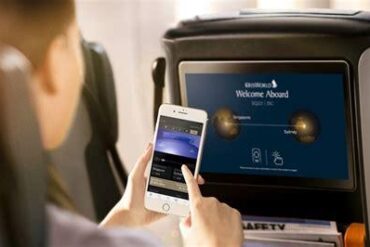
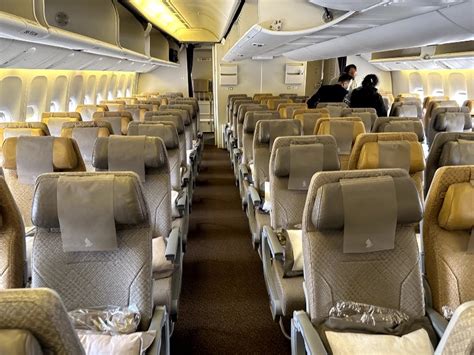
Singapore Airlines takes a notably conservative approach to economy class amenity kits. Rather than distributing them proactively, the airline generally provides kits only upon request and subject to availability. When offered, they usually contain socks, an eye mask, and earplugs, with toothbrushes and toothpaste stocked in lavatories instead.
This model reflects Singapore Airlines’ broader service philosophy: quiet efficiency rather than overt gestures. The airline invests heavily in seat comfort, cabin ambiance, and service training, relying less on physical giveaways. For some passengers, this feels elegant and restrained; for others, it can be disappointing, especially on long overnight flights where a simple pouch at the seat would make a tangible difference.
Special Flights and Commemorative Giveaways
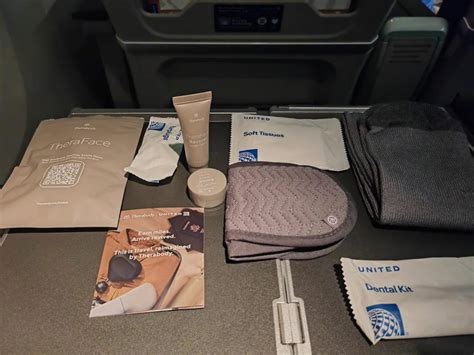
Amenity kits should not be confused with the commemorative items occasionally distributed on inaugural flights or special routes. These giveaways are celebratory rather than comfort-focused and often include items like postcards, keychains, stickers, or welcome letters. While charming, they are tied to specific events and do not represent a standard onboard offering.
A notable example is United Airlines’ inaugural flight from Newark to Nuuk, Greenland, where passengers reportedly received a collection of souvenirs placed at their seats. These moments add personality to a flight but are fundamentally different from the systematic provision of amenity kits designed to improve inflight comfort.
Premium Economy as the Bridge Between Cabins
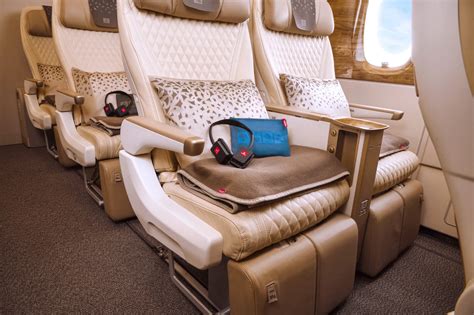
Although not part of true economy, premium economy deserves brief attention because it highlights how amenity kits scale with cabin hierarchy. In this segment, airlines often upgrade the pouch design rather than dramatically expanding the contents. Singapore Airlines partners with Out of the Wood to offer reusable kits featuring slippers, eye masks, and lip balm on longer flights. Air India uses TUMI-designed cases on ultra-long-haul routes, emphasizing durability and brand prestige.
Qantas provides premium economy kits in stylish Napoleon Perdis zippered bags, containing socks, lip balm, earplugs, and dental kits. These offerings illustrate how amenity kits function as signals of status, subtly reinforcing the value proposition of each cabin without radically changing the underlying items.
Why Economy Amenity Kits Still Matter
The presence of an amenity kit in economy class has outsized psychological impact. It tells passengers that their comfort has been anticipated, not merely accommodated upon request. On overnight flights, items like socks and eye masks can meaningfully improve sleep quality, while lip balm and hand cream address the dehydrating effects of cabin air.
From an airline perspective, the cost of providing a basic kit is relatively low compared to the goodwill it generates. Yet operational complexity, waste concerns, and varying route economics mean that widespread adoption remains uneven. Airlines that do offer these kits consistently tend to stand out, earning reputations for generosity that resonate strongly with frequent travelers.
In an industry where differentiation is increasingly difficult, the humble amenity kit has become a quiet battlefield. It is not flashy, it does not dominate advertising campaigns, but it shapes memory. Passengers may forget the movie they watched or the exact meal they ate, but they remember whether the airline helped them sleep, arrive refreshed, and feel human after a long journey.
As ultra-long-haul routes proliferate and expectations continue to rise, economy class amenity kits are likely to remain rare but influential. For now, choosing the right airline can mean the difference between arriving merely transported and arriving genuinely cared for, pouch of essentials tucked into the seat pocket as proof.