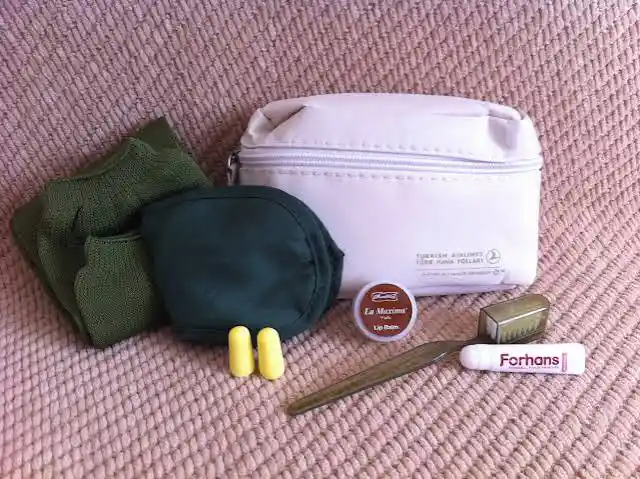
Flying in economy class has changed dramatically over the past two decades. Complimentary meals have become simpler, checked baggage often comes with an extra charge, and many airlines now ask passengers to pay for services that were once considered standard. Among the many changes, one of the most noticeable has been the gradual disappearance of the complimentary economy class amenity kit.
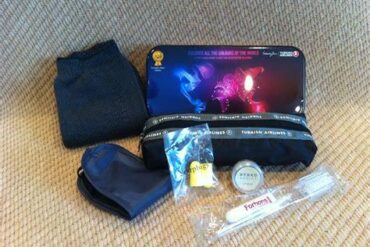
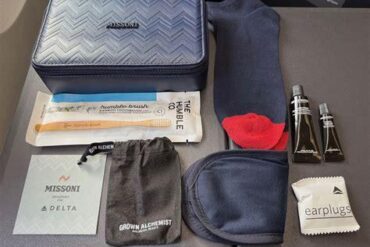
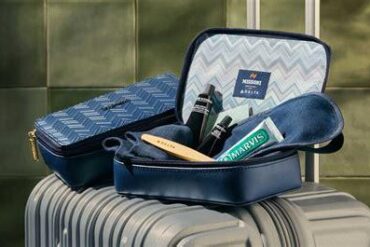
Once a familiar sight on long-haul international flights, these small pouches filled with travel essentials represented an airline’s commitment to passenger comfort regardless of cabin class. Eye masks, socks, toothbrushes, toothpaste, earplugs, lip balm, and other useful items helped travelers arrive feeling more refreshed after spending many hours in the air.
In 2026, however, airlines that continue to distribute complimentary amenity kits in economy class have become the exception rather than the rule. Most carriers now reserve these amenities for premium cabins, while economy passengers either receive only basic items upon request or nothing at all. Nevertheless, several leading full-service airlines continue to recognize that thoughtful details can significantly improve the passenger experience, particularly on overnight and ultra-long-haul flights.
This article explores the airlines that still provide complimentary economy class amenity kits, what travelers can expect inside each kit, why these offerings have become increasingly uncommon, and how airlines are balancing passenger comfort with sustainability and rising operational costs.
Why Economy Class Amenity Kits Have Become So Rare
The decline of complimentary amenity kits is the result of several industry-wide changes rather than a single decision. Airlines today operate in an intensely competitive marketplace where controlling costs is essential. Every additional onboard item—from blankets to headphones and amenity kits—adds weight, storage requirements, logistical complexity, and recurring expenses.
The rise of unbundled airfare models has also reshaped passenger expectations. Many airlines now separate services into optional extras, allowing travelers to purchase only the amenities they actually want. While this approach creates lower advertised ticket prices, it has also eliminated many complimentary comforts that were once standard.
Environmental responsibility has become another major influence. Airlines are under increasing pressure to reduce waste, especially disposable plastics and single-use products. Studies have shown that many passengers never open their amenity kits, leaving thousands of unused products discarded after every flight. As a result, airlines have begun replacing traditional kits with sustainable alternatives or removing them entirely.
Instead of offering kits on every international flight, many carriers now reserve them exclusively for overnight sectors or journeys lasting well beyond six hours, where sleep and personal comfort become much more important.
Etihad Airways Continues to Prioritize Practical Comfort
Among today’s premium full-service airlines, Etihad Airways remains one of the strongest supporters of providing complimentary economy class amenity kits on long-haul routes.
Passengers traveling on flights lasting approximately six hours or longer may receive a reusable tote-style amenity bag rather than the disposable plastic pouches that were common years ago. This reflects the airline’s broader strategy of combining passenger comfort with environmental responsibility.
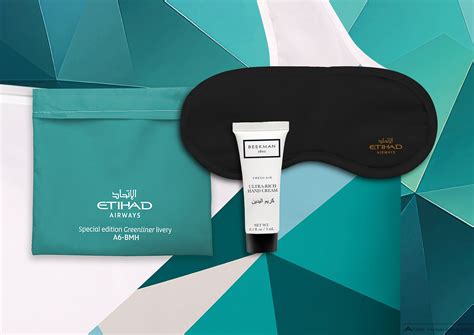
Inside the kit, travelers typically find carefully selected essentials including:
- Noise-reducing earplugs
- Eye mask
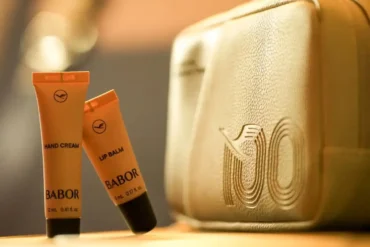
- Hand cream
- Basic travel comfort accessories
Rather than emphasizing luxury cosmetics or expensive branding, Etihad focuses on practical products passengers will genuinely use during the flight and potentially keep afterward.
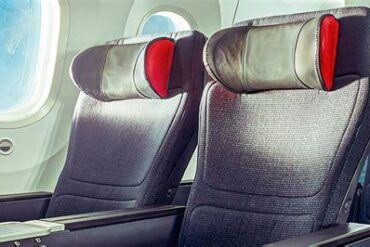
The airline complements these kits with comfortable economy seating featuring adjustable headrests, generous entertainment screens, and one of the strongest onboard entertainment libraries in commercial aviation. Together, these features help reduce the fatigue associated with long-haul travel.
Qantas Keeps Amenity Kits Alive on Ultra-Long-Haul Routes
Australia’s flag carrier Qantas continues offering economy amenity kits on selected long-haul international services, particularly on its longest flights.
Passengers flying routes such as Perth to London, one of the world’s longest nonstop commercial flights, receive thoughtful travel kits packaged inside decorative felt pouches manufactured from recycled PET plastic bottles.
The contents generally include:
- Eye mask
- Earplugs
- Dental kit
- Reusable storage pouch
Although relatively simple, these items make a noticeable difference during journeys approaching 17 hours.
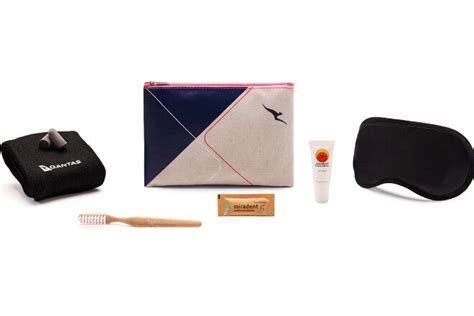
Qantas has increasingly aligned its onboard products with sustainability initiatives. Rather than creating disposable packaging designed for one-time use, the airline encourages passengers to reuse the attractive pouch for travel accessories long after the flight ends.
The airline’s investment in passenger comfort is particularly important as it prepares for the next generation of ultra-long-haul operations. Fleet renewal programs involving the Airbus A350-1000ULR, Airbus A321XLR, Airbus A220, and additional Boeing 787 Dreamliners demonstrate that Qantas expects nonstop long-distance travel to remain a central part of its international strategy.
As flights become even longer through initiatives like Project Sunrise, maintaining passenger comfort in economy will remain increasingly important.
Emirates Continues Delivering One of the Best Economy Amenity Kits
Among international airlines, Emirates has long been associated with premium service regardless of cabin class. Although economy passengers should not expect amenity kits on every flight, the airline continues distributing them on many overnight and long-haul international services.
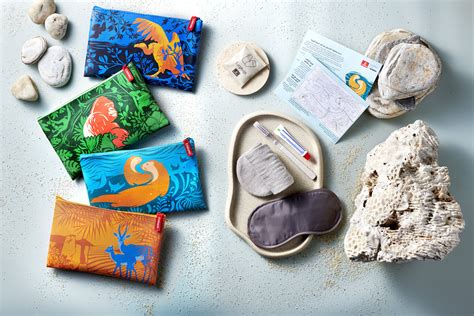
What distinguishes Emirates is the thoughtful design behind its amenity kits. Rather than generic travel pouches, many feature artwork inspired by endangered wildlife created through conservation partnerships.
The reusable bags are typically manufactured using sustainable materials including recycled polyester and responsibly sourced paper products.
Typical contents include:
- Comfort socks
- Eye shade
- Earplugs
- Dental kit
- Reusable pouch
The airline’s commitment to passenger experience extends well beyond the amenity kit itself. Emirates is currently investing billions of dollars into refurbishing more than 200 Airbus A380 and Boeing 777-300ER aircraft with refreshed interiors, upgraded seating, improved entertainment systems, and faster onboard Wi-Fi.
Even in economy class, these enhancements reinforce Emirates’ reputation as one of the world’s strongest long-haul carriers.
Qatar Airways Still Offers Economy Kits on Selected Flights
Qatar Airways has consistently ranked among the world’s highest-rated airlines thanks to its attention to detail across all cabins.
Its economy class amenity kits have historically included higher-quality products than many competitors, sometimes featuring branded skincare items alongside traditional travel essentials.
Passengers have previously received items such as:
- Lip balm
- Dental kit
- Eye mask
- Comfort socks
- Earplugs
However, availability has become noticeably less predictable in 2026.
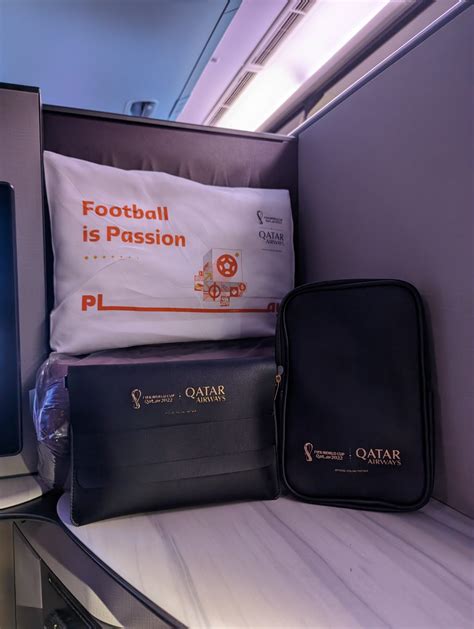
Rather than guaranteeing kits across every international route, Qatar Airways now appears to distribute them primarily on selected overnight ultra-long-haul services.
This selective approach reflects a growing industry trend. Airlines increasingly recognize that passenger needs differ depending on flight duration and departure time. A daytime seven-hour journey often requires fewer comfort products than an overnight fourteen-hour flight where passengers are expected to sleep.
Despite reduced availability in economy, Qatar Airways continues offering some of the aviation industry’s finest premium cabin amenity kits, demonstrating how airlines increasingly differentiate between travel classes.
What You Can Usually Expect Inside a Modern Economy Amenity Kit
Although each airline designs its kits differently, most modern economy amenity kits contain similar practical essentials focused on improving comfort rather than luxury.
Common contents include:
- Eye mask
- Earplugs
- Comfort socks
- Toothbrush
- Toothpaste
- Dental kit
- Lip balm
- Hand cream
- Reusable travel pouch
Many airlines have also replaced plastic packaging with recycled fabrics, reusable bags, biodegradable materials, or recyclable paper components.
This evolution reflects changing passenger expectations. Travelers increasingly appreciate products that remain useful after landing rather than disposable items destined for landfill.
Sustainability Is Reshaping Airline Amenity Kits
Environmental concerns now influence almost every onboard product airlines provide.
Millions of passengers fly internationally every day, meaning even small reductions in single-use plastics can significantly reduce waste. Airlines have therefore redesigned amenity kits to minimize unnecessary packaging while maximizing reuse.
Instead of disposable plastic bags, many carriers now utilize:
- Recycled polyester
- Felt produced from recycled plastic bottles
- Organic cotton
- Recyclable paper packaging
- Reusable travel pouches
These improvements allow airlines to maintain passenger comfort while supporting broader sustainability goals.
Rather than eliminating amenity kits altogether, several airlines have chosen to reinvent them in environmentally responsible ways.
Why Airlines Reserve Kits for Overnight Flights
Passengers often wonder why they receive an amenity kit on one flight but not another operated by the same airline.
The answer usually comes down to operational efficiency and passenger needs.
Overnight flights place greater emphasis on sleep and personal comfort. Items such as eye masks, socks, and earplugs become genuinely useful during overnight journeys, whereas many passengers would leave them unopened during daytime flights.
By limiting distribution to routes where the products are most likely to be used, airlines reduce unnecessary waste while controlling costs.
This targeted approach has become increasingly common throughout the aviation industry in 2026.
Premium Cabin Amenity Kits Continue Raising the Standard
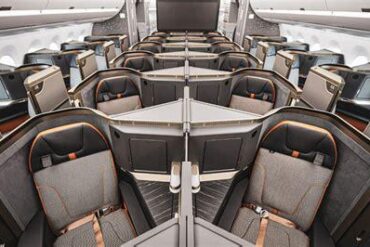
While economy amenity kits have become less common, premium cabins continue moving in the opposite direction.
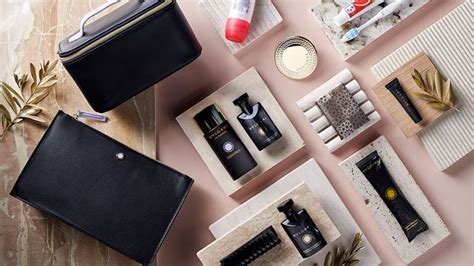
Business and first-class travelers now receive some of the most luxurious amenity kits ever created, often developed through partnerships with internationally recognized luxury brands.
Emirates remains a market leader through its collaboration with Bvlgari, providing elegant faux-leather cases filled with premium skincare products, exclusive fragrances, mirrors, and luxury toiletries.
Qatar Airways partners with Diptyque, offering sophisticated French fragrances and premium skincare products that elevate the onboard experience.
Meanwhile, Singapore Airlines continues its tradition of premium elegance through carefully curated kits featuring luxury brands including Lalique, reflecting the airline’s reputation for refined service.
These premium offerings highlight how airlines increasingly use amenity kits as part of their broader branding strategy, reinforcing exclusivity while creating memorable travel experiences.
The Future of Economy Class Amenity Kits
Despite their decline, economy amenity kits are unlikely to disappear completely.
Ultra-long-haul flying continues expanding as airlines introduce aircraft capable of nonstop flights lasting eighteen hours or more. As flight times increase, passenger comfort becomes even more important, making thoughtfully designed amenity kits a relatively inexpensive way to improve overall satisfaction.
Future economy kits will likely become even more environmentally friendly, featuring biodegradable materials, refillable products, and reusable packaging while eliminating unnecessary waste.
Rather than returning to universal distribution, airlines are expected to continue offering kits selectively on routes where passengers benefit the most.
For travelers booking long-haul international journeys in 2026, receiving a complimentary amenity kit has become something of a pleasant surprise rather than an expectation. Airlines such as Etihad Airways, Qantas, Emirates, and Qatar Airways continue demonstrating that small gestures can make a significant difference during long hours in the air. Their commitment to preserving this tradition—while adapting it to modern sustainability goals—helps distinguish them in an increasingly competitive aviation industry where memorable passenger experiences often come down to thoughtful details rather than extravagant luxuries.
Frequently Asked Questions
Which airlines still provide complimentary economy class amenity kits in 2026?
The primary airlines continuing to provide economy class amenity kits on selected long-haul routes are Etihad Airways, Qantas, Emirates, and Qatar Airways. Availability varies depending on flight duration, route, and departure time.
Are economy class amenity kits available on every flight?
No. Most airlines limit complimentary kits to long-haul, ultra-long-haul, or overnight international flights. Shorter daytime flights usually do not include them.
What items are normally included in an economy amenity kit?
Typical contents include an eye mask, earplugs, comfort socks, toothbrush, toothpaste, dental kit, and occasionally lip balm or hand cream, packaged inside a reusable pouch.
Why have many airlines stopped offering economy amenity kits?
The main reasons include cost reduction, environmental sustainability, reduced use of single-use plastics, operational efficiency, and the widespread adoption of unbundled fare models.
Do premium cabins still receive luxury amenity kits?
Yes. Business and first-class passengers continue receiving premium amenity kits from luxury partners such as Bvlgari, Diptyque, and Lalique, particularly on airlines like Emirates, Qatar Airways, and Singapore Airlines.