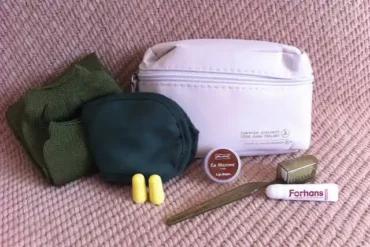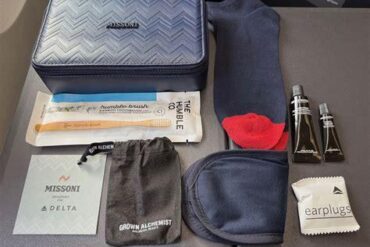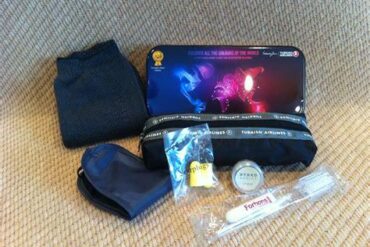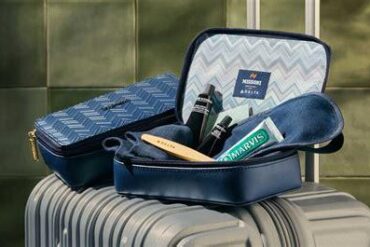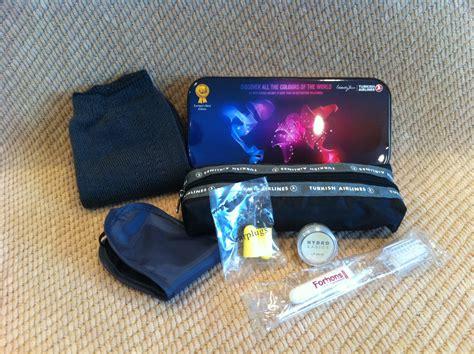
In 2026, the humble economy class amenity kit has become one of the most telling symbols of how airlines define comfort at 35,000 feet. Once a near-universal gesture on long-haul routes, these small pouches—filled with an eye mask, socks, and a toothbrush—have quietly disappeared from most economy cabins. Rising operational costs, aggressive unbundling strategies, and mounting environmental scrutiny have reshaped what passengers can expect when they settle into the back of the aircraft.
Yet the story is not one of total extinction. A select group of full-service carriers still provide complimentary amenity kits in economy class, particularly on long-haul and ultra-long-haul routes. These airlines understand that on flights stretching past eight, twelve, or even seventeen hours, incremental comfort matters. A simple eye shade can mean the difference between fragmented rest and genuine sleep. A small tube of hand cream can make the dry cabin air more tolerable. In an era of razor-thin margins, that subtle enhancement can also become a quiet branding advantage.
The landscape, however, is nuanced. Amenity kits in economy are no longer automatic; they are strategic. Route length, departure time, aircraft type, and sustainability targets all influence availability. What remains consistent is that when airlines do offer these kits in 2026, they tend to be practical, reusable, and environmentally conscious—far removed from the disposable plastic pouches of the past.
Etihad Airways Economy Class Amenity Kits in 2026
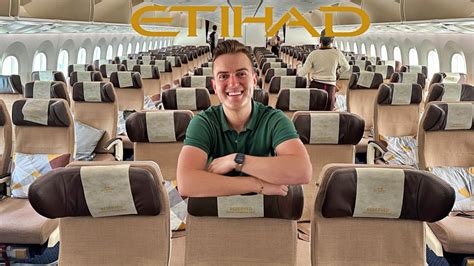
Etihad Airways stands out as one of the few global carriers that continues to distribute amenity kits in economy class on long-haul routes exceeding approximately six hours. Based at Abu Dhabi International Airport (AUH), the airline has reshaped its inflight philosophy around sustainability and refined practicality rather than extravagance.
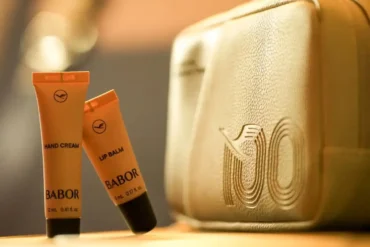
Instead of a flimsy, single-use pouch, Etihad’s economy amenity kit arrives as a reusable tote bag. Inside, passengers typically find essentials such as noise-reducing earplugs, an eye mask, and a compact hand cream. The presentation is understated but deliberate. The message is clear: this is about functional comfort, not luxury theatre.
The materials reflect this thinking. Recycled fabrics and minimal packaging reduce environmental impact while extending the kit’s usefulness beyond the flight. In 2026, airlines are under pressure to demonstrate measurable sustainability commitments. Etihad’s approach allows it to provide a tangible onboard benefit without appearing environmentally tone-deaf.
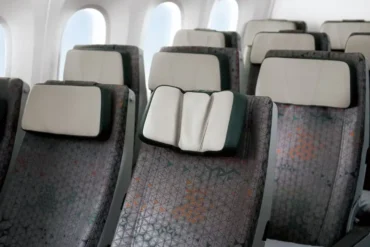
Beyond the amenity kit itself, Etihad’s economy cabin reinforces a practical long-haul experience. Adjustable headrests, generous seat recline for its class, and personal in-flight entertainment screens provide the structural elements of comfort. The amenity kit becomes a complementary detail—small, yes, but psychologically significant during extended overnight sectors across Europe, Asia, and North America.
Qantas and Ultra-Long-Haul Comfort Strategy
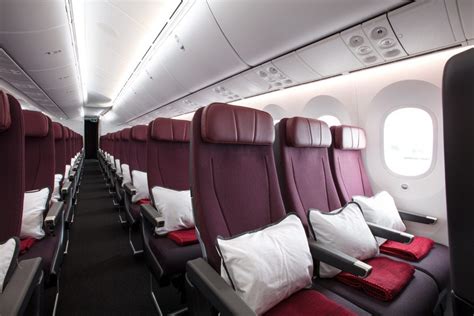
Qantas has carved out a distinctive niche by continuing to provide economy class amenity kits on select long-haul and ultra-long-haul services. The Australian flag carrier’s strategy is closely tied to the extreme stage lengths it operates, including the non-stop Perth (PER) to London Heathrow (LHR) route, often approaching 17 hours in duration.
On these marathon sectors, Qantas distributes amenity kits in economy containing a dental set, earplugs, and an eye mask, packaged in a felt pouch made from recycled PET bottles. This detail is not cosmetic; it reinforces the airline’s broader sustainability narrative while offering genuine inflight value.
The airline’s upcoming Project Sunrise flights, operated by the Airbus A350-1000ULR, are set to push non-stop travel even further, connecting Australia directly with Europe and the United States. On flights of this length, passenger wellbeing becomes a central operational concern. Hydration, sleep cycles, and psychological comfort all influence performance upon arrival. The amenity kit functions as a micro-intervention—helping passengers manage jet lag and cabin dryness more effectively.
Qantas does not universally provide these kits on every international flight. Shorter daytime services may see items available only on request. This selective deployment reflects a cost-conscious yet experience-driven calculation: where rest is critical, amenity kits remain justified.
Simultaneously, Qantas’ fleet renewal program—including the Airbus A220-300, A321XLR, A350-1000ULR, and Boeing 787 variants—signals a long-term investment in cabin comfort. Lighter, quieter cabins and improved pressurization systems enhance the overall passenger environment, allowing small touches like amenity kits to carry amplified impact.
Emirates: Blending Sustainability With Brand Identity
Emirates has long built its reputation on delivering a premium experience across all cabins, and in 2026 it continues to offer amenity kits in economy class—primarily on long-haul and overnight services.
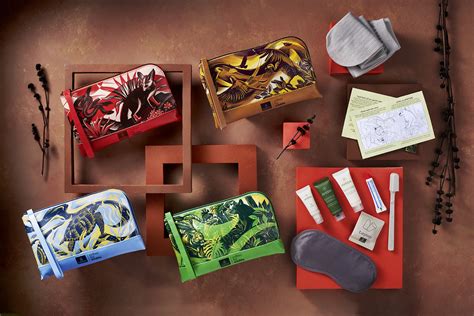
What distinguishes Emirates’ approach is design integration. Its economy amenity kits often feature artwork highlighting endangered species, developed in partnership with wildlife conservation initiatives. The pouches are reusable and made from recycled polyester and paper-based materials, aligning environmental responsibility with visual storytelling.
Inside, passengers typically find socks, an eye mask, earplugs, and a dental kit—precisely the items needed for overnight comfort. The focus remains on sleep support and basic hygiene during extended flights connecting Dubai International Airport (DXB) with global destinations across six continents.
Emirates’ broader fleet transformation enhances this offering. A multi-billion-dollar retrofit program covering Airbus A380s and Boeing 777-300ER aircraft introduces upgraded seats, improved in-flight entertainment, and faster onboard WiFi. In that context, the amenity kit becomes part of a cohesive ecosystem of passenger care rather than an isolated perk.
The airline understands that consistency strengthens brand perception. Even in economy class, visible gestures of comfort reinforce the narrative that Emirates is not merely transporting passengers—it is hosting them.
Qatar Airways and Selective Economy Amenity Distribution
Qatar Airways has historically maintained a reputation for service excellence across cabins, and economy class amenity kits have played a role in that image. Earlier iterations included lip balm from Institut Karité Paris, a Miradent dental kit, socks, and an eye mask—details that elevated the experience above industry averages.
In 2026, distribution appears more selective. Amenity kits in Qatar Airways’ economy cabin are typically reserved for ultra-long-haul overnight flights, and availability can vary depending on route and departure time. On shorter daytime sectors, they may not be offered at all.
This shift reflects broader industry dynamics. Even for high-service carriers, universal distribution across every economy seat on every flight is financially challenging. By concentrating amenity kits on sectors where rest is paramount—Doha to North America, Australia, or parts of Europe—Qatar Airways preserves the impact while managing cost exposure.
Meanwhile, its premium cabins continue to showcase high-profile brand collaborations, emphasizing how sharply the amenity gap has widened between economy and business or first class. In economy, the goal is comfort sufficiency. In premium cabins, it is curated luxury.
Why Economy Class Amenity Kits Are Disappearing
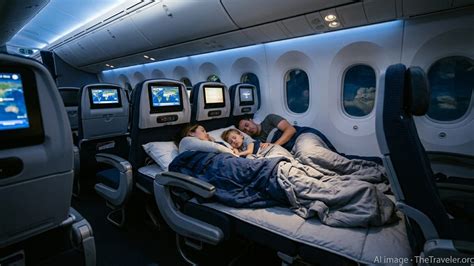
The decline of complimentary economy class amenity kits is rooted in structural industry pressures rather than indifference. Airlines operate on narrow profit margins, and incremental costs scale rapidly across hundreds of seats and thousands of flights.
The rise of unbundled fare models has accelerated this evolution. Many carriers now separate base fares from ancillary services, encouraging passengers to purchase add-ons individually. In this environment, distributing items that some passengers neither need nor use becomes economically inefficient.
Environmental considerations amplify the shift. Airlines face increasing scrutiny over single-use plastics and onboard waste generation. Amenity kits, historically filled with individually wrapped products, represent a visible source of disposable material. Sustainability commitments and regulatory pressures push carriers to reduce non-essential distribution.
Operational logistics also matter. Loading, tracking, and replenishing amenity kits adds complexity to aircraft turnaround processes. By limiting kits to specific routes—particularly ultra-long-haul overnight services—airlines streamline operations while preserving passenger comfort where it is most impactful.
In short, amenity kits have transitioned from standard inclusions to strategic comfort tools, deployed where they deliver measurable experiential value.
The Premium Contrast: Luxury Amenity Kits in 2026
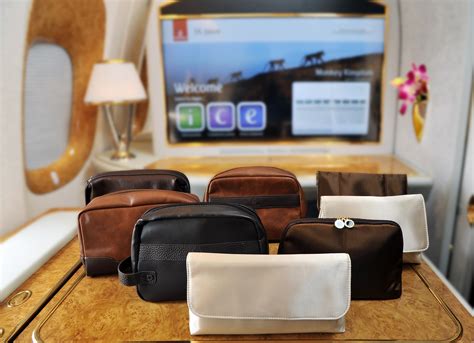
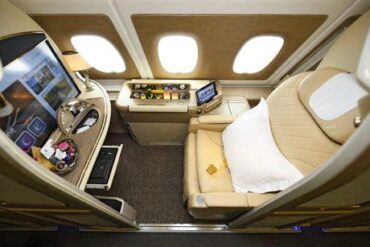
While economy class amenity kits have become rarer, premium cabins are experiencing the opposite trajectory. In 2026, first class and business class amenity kits are increasingly positioned as luxury statements.
Emirates partners with Bvlgari to provide fragrance-infused kits featuring premium toiletries and elegantly designed pouches. Qatar Airways collaborates with Diptyque, offering scented body care and refined packaging that mirrors boutique retail experiences. Singapore Airlines continues to impress with high-end skincare partnerships and meticulous presentation.
These kits are less about functional necessity and more about brand alignment. They serve as tactile ambassadors of airline identity, reinforcing exclusivity and attention to detail. The divergence between economy and premium cabins highlights a broader segmentation trend within commercial aviation: differentiated comfort aligned precisely with fare tier.
The Future of Economy Amenity Kits
Looking ahead, economy class amenity kits are unlikely to return as universal offerings. Instead, their future lies in targeted distribution and sustainable innovation. Reusable materials, biodegradable packaging, and minimalist content will define the next generation of kits where they remain in use.
Ultra-long-haul travel continues to expand, with aircraft like the Airbus A350-1000ULR and Boeing 787 enabling routes once considered impractical. On flights exceeding fifteen hours, passenger wellbeing cannot be ignored. Amenity kits—carefully designed and environmentally responsible—retain a meaningful role in that equation.
In 2026, the airlines that still provide amenity kits in economy class do so with intention. Etihad Airways, Qantas, Emirates, and Qatar Airways demonstrate that even in the most price-sensitive cabin, small details can influence perception, comfort, and brand loyalty. The pouch may be modest. The strategic calculation behind it is anything but.