Airfare prices across the United States continue to fluctuate as airlines battle rising fuel costs, aircraft shortages, and changing passenger demand. Yet despite the volatility, several carriers still manage to offer surprisingly affordable economy class seats without completely sacrificing comfort or convenience. For travelers searching for the best value in American aviation, understanding which airlines deliver the lowest seat-mile costs reveals far more than just cheap tickets. It highlights which carriers have mastered operational efficiency while still attracting loyal passengers.
Revenue per available seat mile, commonly referred to as RASM, has become one of the clearest indicators of how efficiently an airline operates. Lower RASM figures generally translate into cheaper fares for passengers, especially in economy class. While legacy airlines like Delta Air Lines, United Airlines, and American Airlines typically operate with RASM figures ranging between $0.167 and $0.178, several carriers across the US market now undercut those costs dramatically.
Some of these airlines are ultra-low-cost specialists built entirely around no-frills flying. Others are surprisingly premium-focused carriers that still manage to keep pricing highly competitive. From coast-to-coast routes to Hawaii-bound long-haul flights, these airlines currently offer some of the cheapest economy seats travelers can book today.
The result is a fascinating mix of affordability, operational strategy, and passenger experience that continues reshaping the American aviation industry.
Alaska Airlines Delivers Premium Economy Value at Budget-Friendly Prices
Alaska Airlines rarely gets grouped together with budget airlines, yet the Seattle-based carrier consistently ranks among the cheapest full-service airlines in the United States. With a RASM of approximately $0.146 per seat mile, Alaska manages to combine competitive pricing with a noticeably superior onboard experience compared to most low-cost competitors.
The airline’s strength lies in balance. Unlike ultra-low-cost carriers that strip away amenities to achieve lower fares, Alaska Airlines focuses on operational efficiency while still maintaining many of the comforts passengers expect from a traditional airline. Economy travelers receive complimentary snacks, professional customer service, and a significantly more refined cabin atmosphere than what is typically found on bare-bones budget airlines.
One of Alaska’s biggest advantages is its route network. Historically dominant along the US West Coast, the airline maintains a particularly strong presence in Washington, Oregon, California, and Alaska itself. However, recent expansion efforts have transformed Alaska into a far more national and international player. Following its merger with Hawaiian Airlines, the carrier dramatically expanded its reach into Hawaii while simultaneously strengthening East Coast connectivity.
The airline has also entered an entirely new phase of international growth. Its launch of nonstop European service from Seattle to Rome marked a major milestone, while additional long-haul international routes continue developing across Asia and beyond. This gives economy travelers access to longer-distance flights without paying the steep premiums often associated with legacy global carriers.
Passengers also benefit from Alaska’s aggressive technology investments. The carrier plans to equip all 344 aircraft with Starlink WiFi by 2027, potentially creating one of the most connected fleets in North America. For modern travelers, reliable inflight internet increasingly ranks alongside seat comfort and pricing when evaluating airlines.
Perhaps Alaska’s most underrated strength is its Mileage Plan loyalty program. Unlike most major US airlines that award miles based largely on ticket price, Alaska still calculates rewards based on distance traveled. This creates exceptional value for economy travelers purchasing inexpensive long-haul tickets while still earning meaningful mileage rewards.
Allegiant Air Focuses on Cheap Leisure Travel Without the Complexity
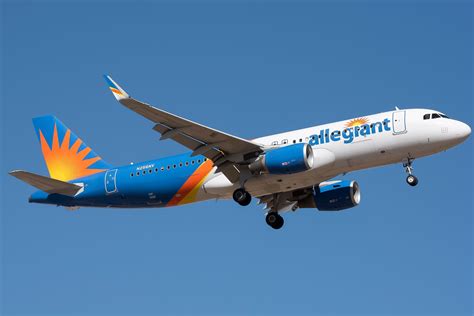
Allegiant Air occupies a unique niche within the US aviation landscape. Rather than competing aggressively on major business routes or heavily crowded hub airports, Allegiant concentrates almost exclusively on connecting smaller regional cities directly to leisure destinations.
That strategy has allowed the airline to achieve an impressively low RASM of approximately $0.1313 per seat mile while maintaining ultra-cheap fares that frequently dip below $50 one-way. Promotional deals can sometimes fall under $30, making Allegiant one of the most affordable ways to travel domestically in America.
Unlike traditional airlines that funnel passengers through massive hub airports like Atlanta, Chicago, or Dallas, Allegiant avoids much of the congestion and operational complexity associated with those facilities. Instead, travelers often depart from smaller regional airports where parking is easier, security lines are shorter, and the overall airport experience feels substantially less stressful.
This operational simplicity plays directly into Allegiant’s low-cost structure. The airline primarily targets vacation travelers heading toward destinations such as Las Vegas, Orlando, Phoenix, and Florida beach markets. By focusing on underserved nonstop routes, Allegiant avoids head-to-head competition with legacy carriers while attracting passengers eager to bypass lengthy layovers.
Of course, Allegiant’s low fares come with tradeoffs. The airline follows a highly unbundled pricing strategy where nearly every additional service carries a fee. Carry-on bags, seat selection, checked luggage, and onboard snacks all cost extra. Travelers who fail to understand the fee structure can quickly see their total ticket price rise.
However, passengers willing to travel light often secure extraordinary savings compared to traditional airlines. For short leisure trips or weekend getaways, Allegiant’s stripped-down model can provide unmatched value.
Following the collapse of Spirit Airlines, Allegiant’s position within the ultra-low-cost market has become even more important. The airline now stands as one of the largest remaining low-cost specialists in the country, serving millions of budget-conscious passengers every year.
JetBlue Airways Combines Low Prices With Exceptional Comfort
JetBlue Airways has spent years carving out a distinct middle ground between budget airlines and premium full-service carriers. That hybrid approach remains one of the airline’s biggest strengths today.
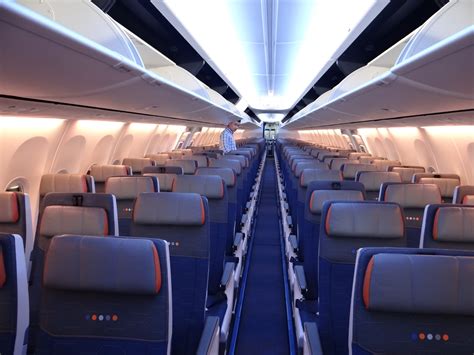
With a RASM of approximately $0.131 per seat mile, JetBlue delivers fares that compete aggressively with low-cost carriers while still offering one of the best economy class experiences in the United States.
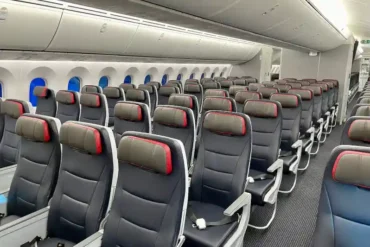
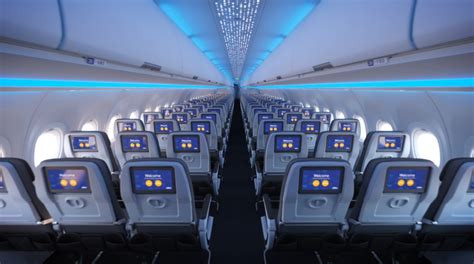
Few airlines have built their reputation around economy comfort as successfully as JetBlue. The carrier’s standard economy legroom averages roughly 32.3 inches, giving passengers noticeably more personal space than what most US competitors provide. On longer flights, especially transcontinental or international routes, that additional room dramatically improves comfort.
JetBlue also pioneered complimentary high-speed inflight WiFi long before many competitors adopted similar systems. What once seemed like a luxury has now become a defining feature of the airline’s identity. For passengers working remotely, streaming entertainment, or simply staying connected during flights, the airline continues to stand out.
The airline’s route network remains heavily concentrated along the East Coast, though its footprint now stretches deep into the Caribbean, Latin America, and Europe. JetBlue’s expansion into transatlantic flying has been especially disruptive, introducing lower fares on routes historically dominated by expensive legacy carriers.
Its long-haul international growth has reshaped passenger expectations. Flights between major US cities and Europe suddenly became far more affordable without fully sacrificing service quality. Economy passengers still receive competitive fares while enjoying superior cabin experiences compared to many rivals.
JetBlue’s premium “Mint” business class product has also indirectly strengthened the airline’s overall reputation. Even economy passengers benefit from the airline’s broader focus on customer experience and cabin quality.
Financially, JetBlue has faced profitability challenges in recent years, particularly as fuel prices and operational costs increased. Yet despite those pressures, the airline continues maintaining relatively low ticket pricing while preserving many passenger-friendly amenities competitors have steadily removed.
For travelers unwilling to endure the harsher realities of ultra-low-cost flying, JetBlue remains one of the strongest value options available anywhere in the US market.
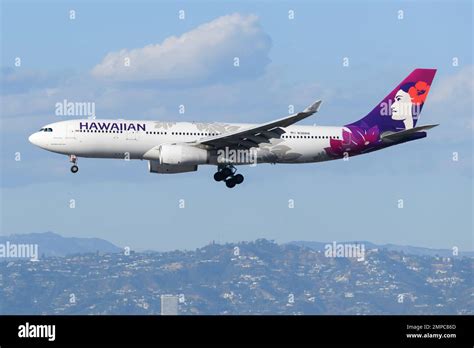
Hawaiian Airlines Offers Surprisingly Cheap Long-Haul Economy Flights
Hawaiian Airlines may be one of the most surprising names on this list. Despite operating extensive long-haul services across the Pacific Ocean, the airline maintains a remarkably low RASM of approximately $0.12 per seat mile.
That figure places Hawaiian among the cheapest airlines in America while still preserving many traditional full-service benefits passengers increasingly struggle to find elsewhere.
For travelers heading to Hawaii, the airline often represents one of the best overall value propositions in the industry. Flights from the US West Coast to Hawaii regularly appear for under $100 one-way during sales periods, while some round-trip fares between Hawaii and New York remain highly competitive compared to other long-haul domestic routes.
Unlike many ultra-low-cost airlines, Hawaiian still includes several amenities within standard economy fares. Passengers receive free carry-on luggage, complimentary meals on many longer flights, and inflight entertainment systems that significantly improve the travel experience during lengthy Pacific crossings.
The airline’s onboard atmosphere also contributes heavily to its appeal. Hawaiian’s branding emphasizes hospitality, island culture, and a more relaxed passenger experience that aligns naturally with leisure-focused travel. Even in economy class, many travelers report the airline feels calmer and more welcoming than larger mainland competitors.
Operationally, Hawaiian benefits from maintaining a highly focused network centered primarily around Hawaii itself. The airline dominates inter-island flying while also connecting Honolulu and neighboring islands to key mainland US gateways, Japan, Australia, New Zealand, and parts of Asia.
This concentrated network allows Hawaiian to streamline operations while maintaining relatively stable demand patterns. The airline’s integration with Alaska Airlines is expected to create even stronger route connectivity moving forward.
Like Alaska, Hawaiian also rewards passengers based on distance flown rather than ticket price. That structure creates excellent opportunities for economy travelers booking affordable long-haul flights while still accumulating meaningful loyalty rewards.
The airline’s upcoming Starlink WiFi installation program further demonstrates its push toward modernization. Enhanced connectivity across long Pacific routes could substantially improve the onboard experience for economy passengers in the coming years.
Frontier Airlines Remains America’s Cheapest Airline
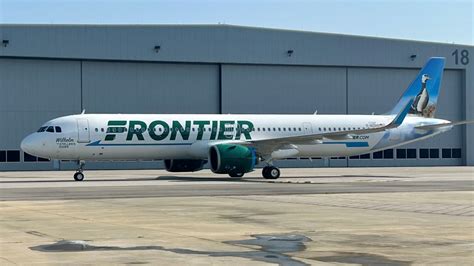
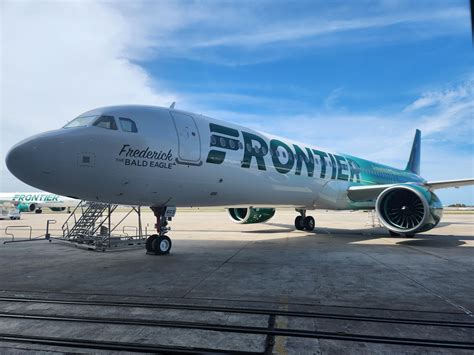
No airline in the United States currently matches Frontier Airlines when it comes to pure economy class affordability. With an astonishingly low RASM of approximately $0.095 per seat mile, Frontier has fully embraced the ultra-low-cost carrier model.
The airline’s strategy revolves around maximum efficiency, extreme seat density, and highly simplified operations. Frontier operates an all-Airbus fleet consisting primarily of A320 family aircraft, allowing the airline to reduce maintenance complexity and training expenses significantly.
Its Airbus A321neo aircraft can carry up to 240 passengers, an exceptionally high density configuration that dramatically lowers operating costs per seat. Those savings are then passed onto travelers through extremely low base fares.
Frontier frequently advertises domestic flights starting around $39 one-way, though promotional deals occasionally fall even lower. The airline serves more than 120 destinations across the United States, with major operational bases in Denver, Orlando, and Atlanta.
Naturally, the airline’s low pricing comes with limitations. Frontier strips nearly every non-essential service from the base fare. Carry-on luggage, seat assignments, checked baggage, snacks, beverages, and priority boarding all require additional payment.
The airline’s economy experience is intentionally minimalist. Seats feature limited padding, reduced recline, and fewer onboard comforts than traditional carriers. Yet millions of travelers willingly accept those compromises in exchange for dramatically cheaper airfare.
One of Frontier’s most innovative offerings is its “GoWild!” Pass. This subscription-style product allows passengers to fly unlimited flights for a fixed seasonal fee, with travelers paying only government taxes and fees per trip. The pass has become increasingly popular among flexible travelers, digital nomads, and frequent leisure flyers seeking maximum savings.
While the GoWild! Pass comes with restrictions, including last-minute booking requirements, it represents one of the most unconventional and aggressive pricing strategies currently offered by any major airline worldwide.
Frontier’s dominance within the ultra-low-cost market became even more pronounced following Spirit Airlines’ shutdown. The airline now stands as America’s largest remaining ultra-low-cost carrier, continuing to push ticket prices lower while forcing competitors to respond.
For travelers focused purely on affordability, Frontier remains unmatched in the US aviation market today.