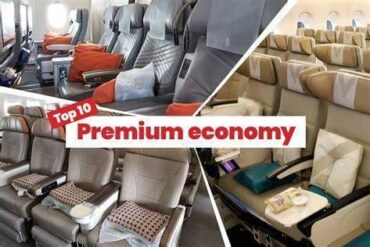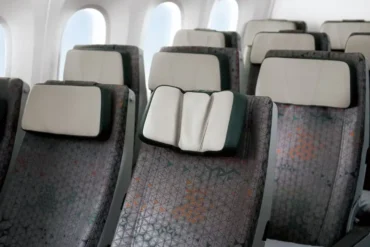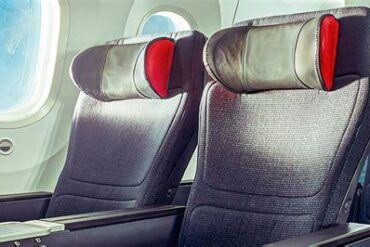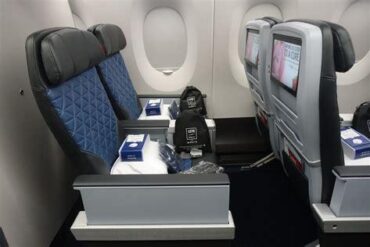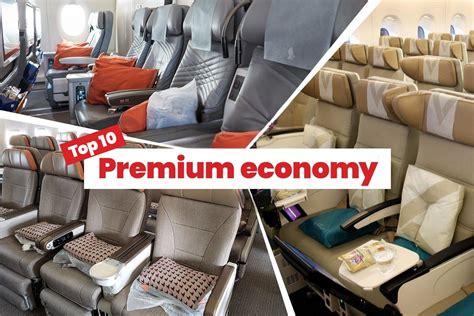
Premium economy has evolved from a simple “extra legroom” cabin into one of the most fiercely competitive products in long-haul aviation. For travelers crossing the Atlantic between North America and Europe, it now represents the sweet spot between cramped economy cabins and ultra-expensive business class suites. Airlines understand this shift clearly. Corporate travelers want comfort without corporate travel budgets, while leisure passengers increasingly seek upgraded experiences for overnight flights without paying several thousand dollars more for lie-flat seats.
What separates a truly exceptional premium economy product from an average one is no longer just seat pitch. The modern transatlantic passenger expects wider seats, superior catering, upgraded bedding, premium entertainment systems, attentive cabin crews, and a quieter, more refined environment. Airlines that succeed in this category understand that premium economy is not merely an upsell from economy class — it is a standalone experience with its own identity.
Across the Atlantic, where flights often range between six and ten hours, these differences become remarkably noticeable. A wider seat can mean actual sleep. Better catering can make an overnight crossing feel civilized instead of exhausting. Thoughtful cabin design can dramatically reduce fatigue upon arrival.
Several carriers stand out in this increasingly crowded market, but five airlines consistently deliver the most superior premium economy experiences for transatlantic travelers in 2026.
Virgin Atlantic Delivers The Most Complete Premium Economy Experience
Virgin Atlantic has spent years refining its premium economy product into one of the most respected cabins in commercial aviation. While some competitors focus heavily on seat technology or cabin density, Virgin Atlantic succeeds by creating a balanced experience that feels genuinely premium from boarding to landing.
The airline’s premium economy cabin consistently ranks among the world’s best because every component works together seamlessly. The atmosphere onboard feels noticeably different from economy class. Lighting is softer, service is more personal, and cabin crews maintain an energetic yet polished style that has become a hallmark of the airline.
Virgin Atlantic’s newer Airbus A350-1000 and Airbus A330neo aircraft feature Collins Aerospace MiQ seats, which offer a modern appearance without becoming overly complicated. The seats include generous recline, adjustable leg rests, large entertainment screens, and substantial storage areas. On the Airbus A330 and Boeing 787 fleets, Virgin Atlantic configures premium economy in a seven-abreast layout, giving passengers more shoulder room than many competitors.
Although the Airbus A350 uses an eight-abreast layout, the cabin still feels spacious due to thoughtful interior design and effective mood lighting.
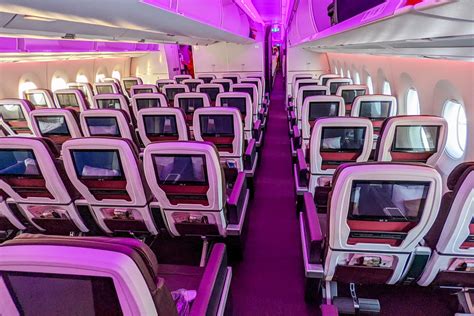
What truly elevates Virgin Atlantic above many rivals is its onboard hospitality. Premium economy meals are consistently among the strongest in the industry, featuring large portions, restaurant-style presentation, and surprisingly refined flavors for long-haul catering. Unlike airlines that merely upscale economy meals, Virgin Atlantic designs its premium dining service to feel distinct and memorable.
The drinks selection is equally impressive, with quality wines, cocktails, and attentive beverage service throughout overnight crossings. Flight attendants frequently receive praise for their warmth and engagement, helping the cabin feel less transactional and more curated.
For travelers flying routes like New York to London, Boston to Heathrow, or Atlanta to Manchester, Virgin Atlantic offers one of the most consistently enjoyable premium economy experiences available today.
Emirates Offers A Luxury-Focused Premium Economy Cabin
Emirates entered the premium economy market relatively late, but the Dubai-based airline immediately positioned itself at the very top of the category. Its premium economy product feels closer to a light version of business class than an upgraded economy cabin.
The airline uses the Recaro PL3530 seat across its premium economy fleet, but Emirates enhances the experience with superior finishes, deeper recline, thicker cushioning, and significantly more personal space than most competitors. The airline offers 40 inches of seat pitch, surpassing the industry-standard 38 inches found on most transatlantic aircraft.
This additional space becomes especially valuable on overnight flights from New York, Boston, Miami, or Newark to Europe via Dubai connections. Passengers can stretch comfortably without constantly competing for armrest space.
Emirates also stands out for installing seven-abreast premium economy seating on the Airbus A350. This decision allows the carrier to provide exceptionally wide 19.5-inch seats, making them among the widest premium economy seats in the world. On the Airbus A380, the aircraft’s enormous fuselage naturally creates an even more spacious cabin atmosphere.
The visual design also deserves recognition. Emirates incorporates cream leather upholstery, wood-grain finishes, bronze accents, and soft ambient lighting to create a cabin that feels sophisticated rather than utilitarian.
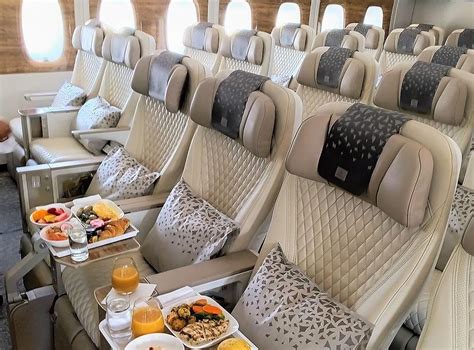
Catering remains another major strength. Emirates serves multi-course meals with regionally inspired menus, upgraded tableware, and premium beverage options that sometimes overlap with business class offerings. Champagne service further reinforces the premium positioning.
Unlike some airlines that scale back service after the initial meal, Emirates maintains attentive hospitality throughout the flight. Cabin crews are proactive, polished, and highly visible during overnight sectors.
The main drawback is price. Emirates often charges extremely high fares for premium economy, particularly on popular routes. In some cases, discounted business class fares on competing airlines can approach Emirates’ premium economy pricing. Yet demand remains strong because passengers recognize the value of the overall experience.
Lufthansa Creates One Of The Most Spacious Premium Economy Cabins
Lufthansa approaches premium economy differently from many competitors. Rather than focusing primarily on flashy branding or extravagant service rituals, the German airline emphasizes comfort, ergonomics, and cabin efficiency.
This strategy works remarkably well on transatlantic routes.
Lufthansa’s Airbus A350 fleet features one of the smartest premium economy layouts in commercial aviation. While most airlines install eight seats per row in premium economy on the A350, Lufthansa configures the cabin with only seven seats abreast. That single design choice dramatically improves comfort levels.
Passengers benefit from wider 19-inch seats, more shoulder room, and wider aisles that reduce congestion during boarding and meal services. The difference becomes immediately noticeable during long overnight crossings between Frankfurt or Munich and major US destinations.
The airline’s newest Allegris-equipped Airbus A350 aircraft further enhance the experience with ZIMPrivacy PC-02 seats. These newer seats feature improved privacy shells, larger 4K entertainment screens, USB-C charging ports, and upgraded seat cushioning.
At 19.5 inches wide, Lufthansa’s newest premium economy seats rank among the largest available in the industry.
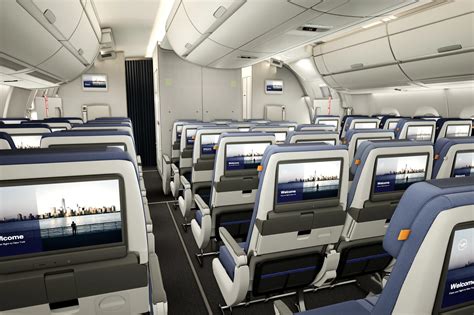
Lufthansa also avoids excessive cabin crowding. The premium economy section feels calmer and more orderly than heavily densified cabins found on some competing airlines. Wider aisles make movement easier, particularly during overnight services when passengers frequently move around the cabin.
The onboard dining experience focuses more on consistency than extravagance. Meals are well-executed, substantial, and served with proper tableware. German wines and European-inspired menu options contribute to a refined atmosphere without becoming overly theatrical.
Where Lufthansa excels most is sleep quality. The combination of wider seats, ergonomic recline, quieter cabin environments, and less crowding creates one of the most restful premium economy experiences across the Atlantic.
For travelers prioritizing physical comfort over flashy branding, Lufthansa remains one of the strongest choices in the market.
United Airlines Introduces The Most Technologically Advanced Premium Economy Seats
United Airlines has aggressively upgraded its long-haul fleet in recent years, and its newest Premium Plus cabins represent one of the biggest technological leaps in premium economy design.
The airline’s latest Boeing 787-9 aircraft with the “Elevated Interior” feature updated Collins Aerospace MiQ seats that focus heavily on passenger functionality. While the overall cabin appearance remains relatively understated, the technology integration is among the best in the industry.
Each Premium Plus seat includes a massive 16-inch 4K OLED entertainment display with Bluetooth connectivity, allowing passengers to pair wireless headphones directly with the system. USB-C charging ports and wireless charging pads further modernize the experience.
These features may sound minor on paper, but they matter significantly during long-haul flights where passengers rely heavily on personal electronics.
United also introduces thoughtful design elements rarely seen in premium economy. The cabin features full-height privacy dividers rather than simple headrest wings, giving passengers noticeably better separation from neighbors. Dedicated water bottle storage compartments and integrated reading lights further improve usability.
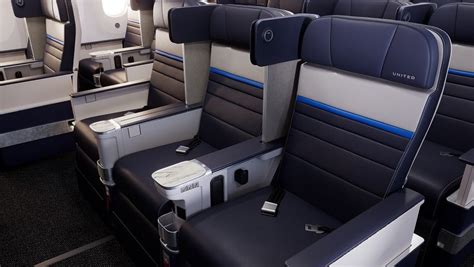
Seat pitch remains the industry-standard 38 inches, but the cabin feels more advanced than many rivals because of its intelligent design philosophy.
United’s Premium Plus cabins are increasingly appearing on key transatlantic routes from hubs like San Francisco, Newark, Washington Dulles, and Chicago. The airline’s new premium-heavy Boeing 787 configurations specifically target high-demand international markets, particularly routes to London, Zurich, Frankfurt, and Paris.
Service quality has also improved substantially compared to previous years. United now places greater emphasis on premium cabin consistency, and the upgraded soft product includes better bedding, improved meal presentation, and more attentive service standards.
The airline may not yet match Virgin Atlantic or Emirates in pure hospitality, but its latest Premium Plus cabins arguably offer the best technology package in transatlantic premium economy today.
Air France Elevates Premium Economy With French Hospitality And Dining
Air France proves that premium economy is not solely about seat dimensions. The French flag carrier has built one of the most sophisticated soft products in the category, transforming premium economy into a distinctly French travel experience.
While its seats remain relatively conventional compared to some competitors, Air France compensates with refined catering, elegant presentation, and consistently polished service.
The airline operates several premium economy seat types across its long-haul fleet, including the Safran Airgo FX, Collins Aerospace Icon, Recaro PL3530, and Collins MiQ. Although this creates some inconsistency between aircraft, the overall standard remains strong across the network.
Seat pitch generally measures 38 inches, which aligns with industry norms, while seat width remains competitive without being class-leading.
What distinguishes Air France is how effectively it upgrades the entire onboard atmosphere.
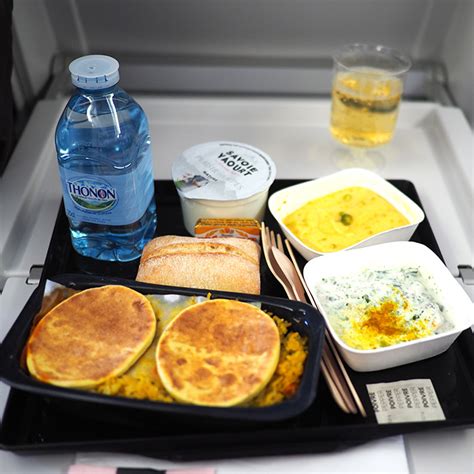
The airline recently transformed its premium economy dining program by collaborating with Michelin-starred chef Frédéric Simonin. Instead of serving economy meals on nicer trays, Air France now delivers genuinely elevated dishes designed specifically for premium economy passengers.
Meals arrive on upgraded tableware with proper metal cutlery, quality cheese selections, and carefully chosen French wines. Champagne service adds another layer of sophistication rarely matched outside business class.
Bedding and amenity kits also exceed expectations. Blankets feel plush rather than disposable, pillows provide meaningful support, and amenity kits include higher-quality skincare products than many competing airlines offer.
Service style plays a major role in Air France’s appeal. Cabin crews typically maintain a calm, understated professionalism that complements the airline’s premium identity. The result is a cabin atmosphere that feels refined and distinctly European.
For travelers departing from New York, Los Angeles, Miami, Washington, or Montreal to Paris, Air France provides one of the most elegant premium economy experiences currently available.
Why Premium Economy Has Become The Most Competitive Cabin In Aviation
The rapid rise of premium economy reflects a major shift in passenger priorities. Travelers increasingly want comfort, privacy, and better service, but many remain unwilling to pay business class prices that can exceed several thousand dollars for a transatlantic journey.
Airlines recognize this demand clearly. Premium economy generates significantly higher revenue than economy while occupying less cabin space than lie-flat business class suites. As a result, carriers continue investing heavily in upgraded seats, enhanced catering, and differentiated onboard experiences.
The competition is becoming increasingly sophisticated. Airlines are no longer competing solely on seat width or legroom. They now compete through technology integration, cabin ambiance, dining quality, sleep comfort, and service culture.
Virgin Atlantic dominates through consistency and hospitality. Emirates prioritizes luxury and spaciousness. Lufthansa excels in ergonomic comfort. United pushes technological innovation. Air France delivers refined French-style service and catering.
For passengers crossing the Atlantic in 2026, premium economy has never offered more compelling choices.