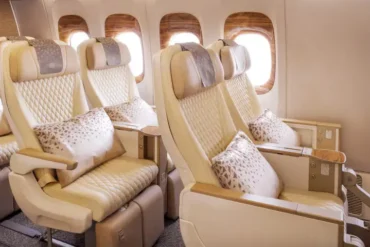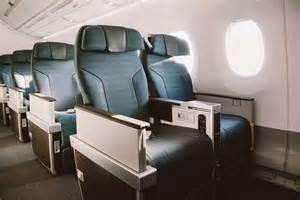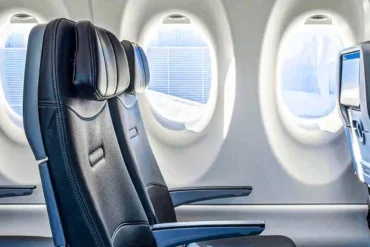
Long-haul flights across the Pacific have always tested even the most seasoned travelers. Hours stretch, cabin air dries, and the difference between arriving refreshed or exhausted often comes down to one critical decision: your seat. In recent years, premium economy has quietly transformed from a “slightly better economy” into a carefully engineered middle ground—offering tangible comfort without the financial sting of business class.
What makes today’s best transpacific premium economy cabins remarkable is not just extra legroom. It’s the orchestration of space, privacy, service, and thoughtful design. Airlines are no longer competing on inches alone; they are competing on experience. The result is a category that feels increasingly refined, where the right choice can genuinely reshape how a 10–14 hour journey feels.
The standout carriers in this space—particularly across Asia-Pacific routes—have elevated expectations. Their cabins blend ergonomic engineering with hospitality philosophies rooted in precision and care. Choosing wisely here isn’t just about comfort; it’s about upgrading the entire rhythm of your journey, from check-in to landing.
Japan Airlines Sky Premium: The Benchmark for Space and Privacy
Japan Airlines has built its reputation on precision, and nowhere is that more evident than in its Sky Premium cabin. With a 42-inch seat pitch, it doesn’t just lead the category—it quietly dominates it. That extra space translates into something more meaningful than numbers: the ability to shift, stretch, and settle without feeling boxed in.
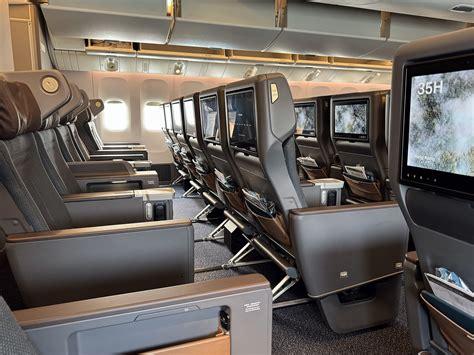
The defining feature here is the fixed-shell seat design. Unlike traditional reclining seats that invade the space behind you, these shells cradle your position without compromising the passenger behind. It’s a subtle but powerful improvement—one that preserves personal space in a way most travelers only realize they needed after experiencing it.
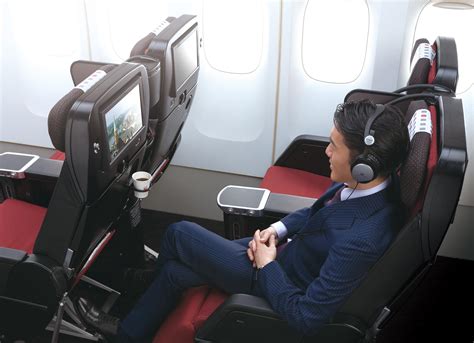
On newer aircraft like the Airbus A350-1000, the experience becomes even more refined. Expect 16-inch 4K entertainment screens, enhanced leg rests, and privacy dividers that give each seat a semi-personal cocoon feel. The cabin ambiance leans toward understated elegance rather than flash, which works perfectly on overnight transpacific sectors.
The ground experience reinforces this premium positioning. Dedicated check-in counters, access to business-class check-in lanes where needed, and lounge access elevate the journey before boarding even begins. Add priority baggage handling, and the entire process feels engineered for efficiency.
For travelers who value space above all else, Japan Airlines doesn’t just compete—it sets the standard.
Singapore Airlines Premium Economy: A Refined Dining and Comfort Experience
Singapore Airlines approaches premium economy from a different angle. While its 38-inch pitch and 19.5-inch wide seats are competitive, the airline’s true strength lies in crafting a holistic onboard experience that feels indulgent without being excessive.
The seating itself is thoughtfully designed, featuring a 125-degree recline, along with calf and footrests that support long-haul posture far better than standard economy. Storage compartments are intelligently placed, making it easy to keep essentials within reach—a small detail that becomes surprisingly valuable somewhere over the Pacific.
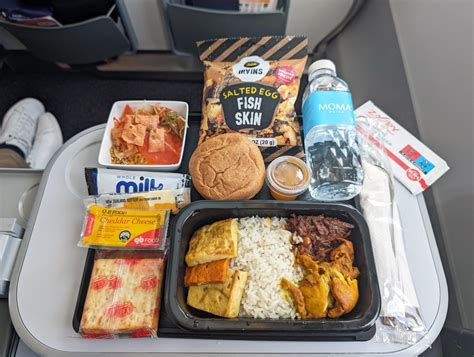
Where Singapore Airlines truly separates itself is in dining. Premium economy passengers are treated to multi-course meals that feel curated rather than mass-produced. Expect a main course paired with appetizers, fresh bread, dessert, and even cheese and crackers, accompanied by a selection of wines and champagne. It’s closer to a scaled-down business class meal than an upgraded economy tray.
Noise-canceling headphones and large entertainment screens enhance the in-flight environment, while the airline’s signature service style—attentive without being intrusive—creates a calm, almost lounge-like atmosphere at cruising altitude.
The only notable omission is complimentary lounge access, which may matter to frequent flyers. But once onboard, the experience compensates with consistency and polish across its Airbus A380 and Boeing 777 fleet.
If your idea of comfort includes exceptional food and seamless service, Singapore Airlines delivers with quiet confidence.
ANA Premium Economy: Precision, Reliability, and Subtle Comfort
All Nippon Airways (ANA) doesn’t chase attention—it earns loyalty through consistency. Its premium economy cabin reflects a philosophy of balanced comfort, where every feature serves a clear purpose without unnecessary flair.
Seats are designed with ergonomic cushioning, offering generous width and a supportive recline that holds up well over long sectors. Footrests and leg rests come standard, helping reduce fatigue in a way that frequent travelers quickly learn to appreciate.
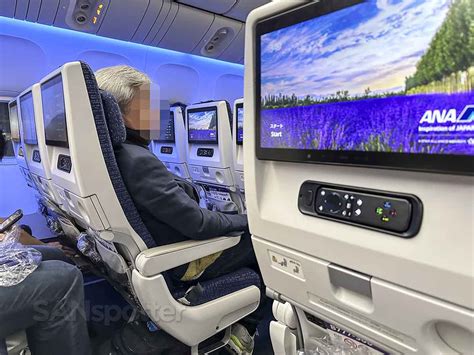
The cabin design itself is clean and calming, with a focus on functionality over visual drama. This minimalist approach works particularly well on long-haul flights, where overstimulation can become tiring. ANA’s attention to detail—whether in cabin cleanliness or service timing—creates a sense of reliability that’s hard to quantify but easy to feel.
On the ground, ANA strengthens its offering with priority check-in, expedited security where available, and lounge access in many cases. These perks narrow the gap between premium economy and business class more than one might expect.
ANA may not boast the widest seats or the most elaborate meals, but it excels in delivering a predictable, high-quality experience. For travelers who prefer certainty over surprises, it’s a compelling choice.
Cathay Pacific Premium Economy: Modern Comfort with Thoughtful Enhancements
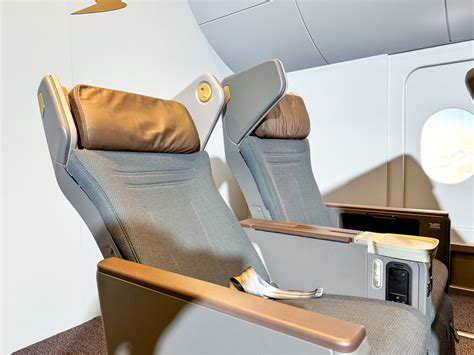
Cathay Pacific strikes a careful balance between innovation and restraint. Its premium economy cabin offers a 40-inch seat pitch and an 8-inch recline, creating a noticeable upgrade over economy without pushing into excess.
What stands out is the sense of space and quiet. The cabin is designed to feel open yet private, with seats that include full-length leg rests and intuitive controls. The result is a seating experience that encourages relaxation rather than constant adjustment.
Dining is another highlight, with menus developed in collaboration with Michelin-starred partners. Meals feel deliberate and elevated, avoiding the generic quality often associated with mid-tier cabins. Add in larger entertainment screens and Bluetooth connectivity, and the in-flight experience feels distinctly modern.
Cathay Pacific is also rolling out complimentary Wi-Fi, a move that aligns with evolving passenger expectations. Connectivity, once a luxury, is rapidly becoming essential—especially on long-haul routes.
The overall impression is one of quiet sophistication. Cathay Pacific doesn’t try to overwhelm; instead, it refines every detail until the experience feels cohesive and contemporary.
How Aircraft and Seat Design Transform the Experience
Choosing the right airline is only half the equation. The aircraft type and seat design can dramatically influence how comfortable your journey feels, even within the same airline.
New-generation aircraft like the Airbus A350 and Boeing 787 offer tangible improvements in cabin pressure, humidity, and noise levels. These factors reduce fatigue in ways that go beyond seat dimensions. A quieter cabin and better air quality can make the difference between restless sleep and genuine rest.
Seat architecture matters just as much. Fixed-shell designs, like those used by Japan Airlines, maintain personal space regardless of recline. Traditional reclining seats, while familiar, can feel intrusive depending on how aggressively the passenger in front leans back.
Bulkhead seats often provide extra legroom, though they may sacrifice under-seat storage or footrest functionality. Meanwhile, seat padding, leg support, and recline mechanics vary widely—even between aircraft of the same model—depending on how recently the cabin was updated.
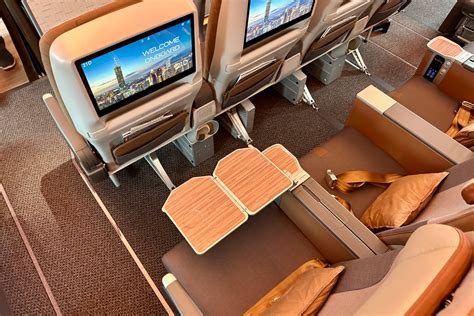
In short, the best experience comes from aligning three factors: airline, aircraft, and seat position. Ignore any one of them, and you risk leaving comfort on the table.
Which Premium Economy Cabin Should You Choose?
There’s no universal winner—only the best fit for your priorities. That said, the distinctions between these leading carriers are clear enough to guide a confident decision.
- Japan Airlines excels in space, privacy, and seat innovation, making it ideal for travelers who value physical comfort above all else.
- Singapore Airlines leads in dining and service refinement, offering an onboard experience that feels indulgent without crossing into business class pricing.
- ANA delivers consistency and reliability, appealing to those who prefer a smooth, predictable journey.
- Cathay Pacific balances modern features with thoughtful design, creating a well-rounded and contemporary cabin experience.
Frequent flyers should also weigh loyalty programs and alliance benefits, as these can significantly enhance value through upgrades, mileage accrual, and priority services.
Ultimately, the best transpacific premium economy seat isn’t just about measurements or menus. It’s about how seamlessly the experience fits your travel style—whether that means stretching out in a quiet cocoon, savoring a carefully plated meal, or simply knowing everything will work exactly as expected.
Choose well, and that long flight across the Pacific stops feeling like endurance—and starts feeling like part of the journey itself.