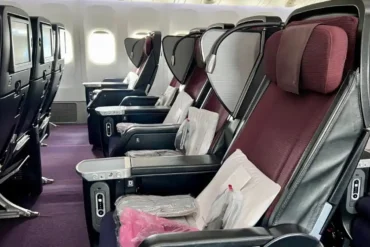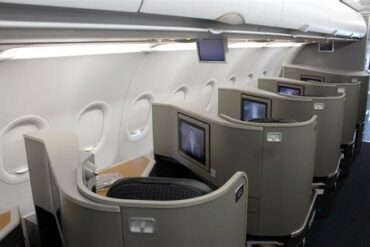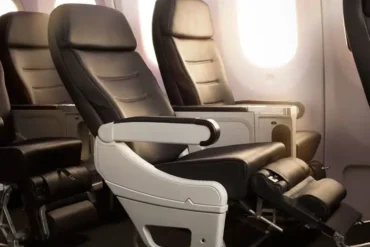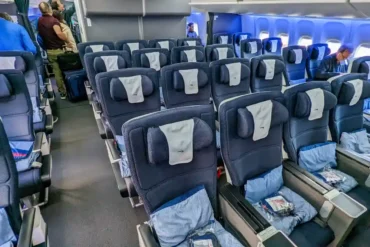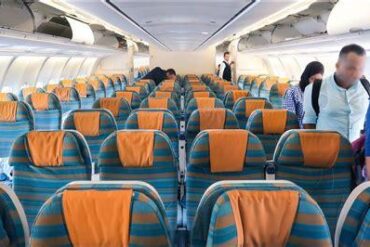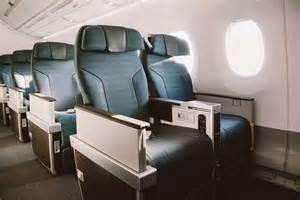
Crossing the Pacific is not a short hop. It is a commitment. Fifteen hours in a narrow seat can feel like a minor endurance sport, complete with stiff joints and a silent countdown clock. That reality is exactly why premium economy has evolved from an experimental middle ground into one of the smartest ways to fly long-haul between North America and Asia. On these ultra-long-haul routes, seat width is not a trivial statistic. It is the difference between feeling boxed in and genuinely comfortable.
In the past, travelers had two choices: squeeze into economy or splurge on business class. The gap between them was enormous, both in comfort and cost. As aircraft began flying longer nonstop routes across the Pacific, airlines recognized a simple truth. Many passengers wanted more space, but not necessarily a lie-flat bed and a four-figure fare increase. The solution was a new cabin that prioritized wider seats, generous pitch, deeper recline, and upgraded service without crossing into business class territory.
Today, several leading carriers offer some of the widest premium economy seats in the world on transpacific routes. These seats often measure between 18.3 and 20 inches wide, a meaningful increase over standard economy, which frequently sits around 17 inches or less on widebody aircraft. Add in improved recline, adjustable footrests, enhanced dining, and priority ground services, and the product becomes a compelling sweet spot for discerning travelers.
The Rise of Premium Economy on Transpacific Routes
Premium economy did not emerge overnight. EVA Air introduced what is widely recognized as the first version of the cabin in 1992, then branded as Economy Deluxe, aboard its Boeing 747-400 fleet. At the time, the idea of a distinct middle cabin was radical. For decades, airlines treated long-haul aircraft as binary spaces: economy for the masses, business for the elite.
As transpacific flying intensified in the early 2000s, especially between major hubs like Los Angeles, San Francisco, Tokyo, Hong Kong, and Singapore, airlines realized that ultra-long-haul sectors magnified discomfort. A marginally wider seat suddenly mattered. An extra few inches of pitch—defined as the distance from one seat to the same point on the seat in front—translated directly into better sleep and less fatigue.
Premium economy matured from a few upgraded rows into a clearly defined cabin, often positioned between business and economy. Configurations such as 2-4-2 instead of 3-4-3 dramatically improved aisle access and reduced the density that defines modern economy cabins. Across the Pacific, where flights regularly exceed 10 hours and can stretch past 16, these structural differences are not cosmetic. They are transformative.
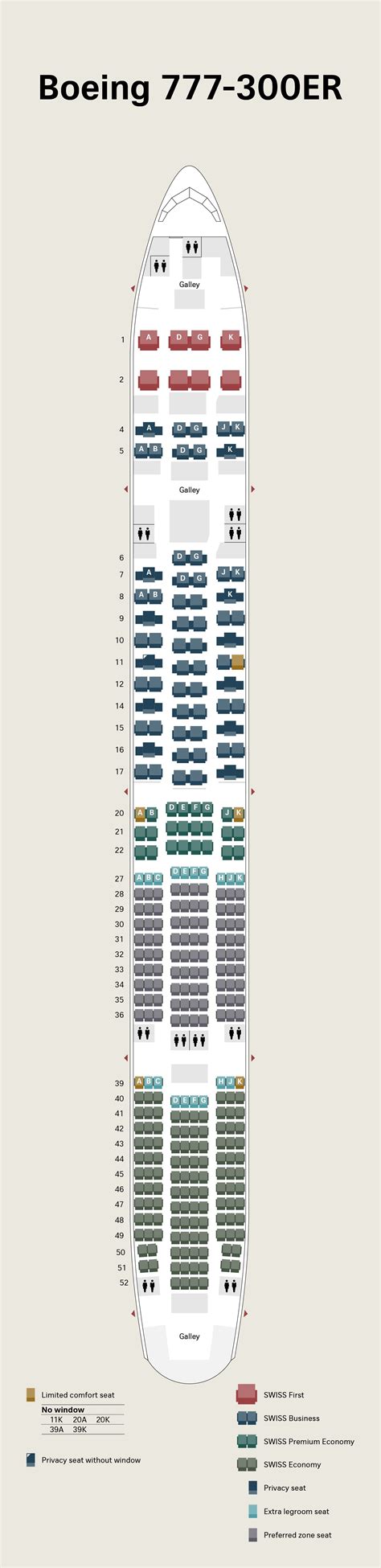
Japan Airlines: Precision Comfort Meets Spacious Design
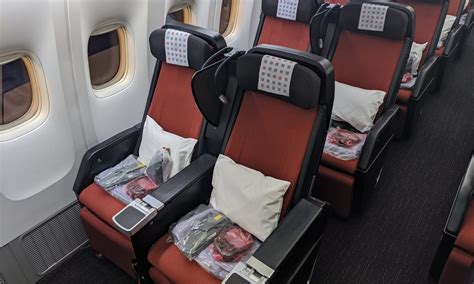
Japan Airlines (JAL) was among the early adopters of a modern premium economy concept and continues to refine it with characteristic Japanese attention to detail. On its Boeing 777-300ER and Boeing 787 fleets operating between Tokyo Narita (NRT) or Tokyo Haneda (HND) and North American gateways such as Los Angeles (LAX), San Francisco (SFO), and New York (JFK), the airline offers seats ranging from 18.3 to 19.3 inches in width.
That extra width becomes immediately noticeable on a full flight. Shoulders do not clash. Elbows have breathing room. Combined with a generous seat pitch and a supportive recline mechanism, the seat feels purpose-built for long-haul comfort rather than a minor upgrade from economy.
The cabin configuration typically shifts from economy’s tighter 3-4-3 or 3-3-3 layouts to a more spacious 2-4-2 or 2-3-2 arrangement, significantly easing aisle access. For overnight flights across the Pacific, this matters. Fewer seatmates to navigate means fewer disruptions and a smoother journey overall.
JAL’s soft product reinforces the physical comfort. Enhanced meals blend Japanese and Western options, welcome drinks set the tone, and amenity kits on overnight services include thoughtful touches such as quality eye masks and skincare items. The airline’s reputation for hospitality is not marketing fluff; it is embedded in small, consistent details that elevate the entire experience.
Singapore Airlines: Wide Seats on the World’s Longest Routes
Singapore Airlines has long cultivated a reputation for premium service, and its premium economy cabin reflects that philosophy. On Boeing 777-300ER and Airbus A350-900 aircraft deployed across the Pacific, including ultra-long-haul A350-900ULR variants, seat widths range from 18.5 to 19.5 inches.
The A350-900ULR deserves special attention. These aircraft operate some of the longest nonstop flights in the world, connecting Singapore Changi (SIN) with New York JFK and Newark (EWR). In these cabins, premium economy is not an afterthought; it is a core product, alongside business class. There is no standard economy section, which subtly shifts the cabin atmosphere toward a more spacious, refined feel.
The seats feature deeper recline, adjustable calf rests and footrests, and large high-definition entertainment screens. In-seat power and USB ports are standard, supporting productivity on flights that can exceed 18 hours gate to gate. The 2-4-2 configuration enhances personal space while maintaining a cohesive cabin layout.
Routes from Singapore to Los Angeles (LAX), San Francisco (SFO), and Vancouver (YVR) regularly see these wide premium economy seats in service, making them a top choice for travelers seeking both seat width and an elevated dining experience curated by an airline known for culinary partnerships and wine selection expertise.
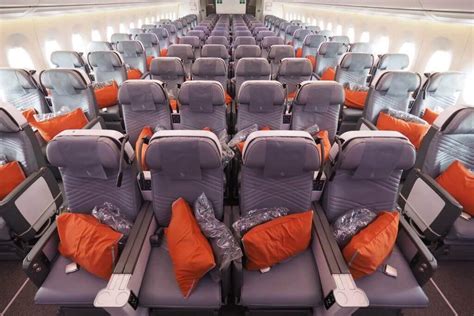
All Nippon Airways: Among the Widest in the Sky at 19.3 Inches
All Nippon Airways (ANA) brings a minimalist, functional elegance to its premium economy offering. On Boeing 777-300ER and 787-9 aircraft serving cities such as Chicago O’Hare (ORD), Houston Intercontinental (IAH), and Seattle-Tacoma (SEA) from Tokyo, the premium economy seat measures an impressive 19.3 inches in width.
That figure places ANA among the leaders in seat width across the Pacific. The cabin layout, typically 2-4-2, reduces the sense of density and improves accessibility. For taller passengers, the generous pitch provides legroom that meaningfully exceeds standard economy norms.
ANA complements the physical product with upgraded meals, welcome beverages, and a robust in-flight entertainment system. Plush pillows and blankets enhance overnight comfort, and amenity kits add a practical layer of convenience. The overall design philosophy feels deliberate rather than flashy. Comfort is delivered through clean lines, ergonomic engineering, and quiet efficiency.
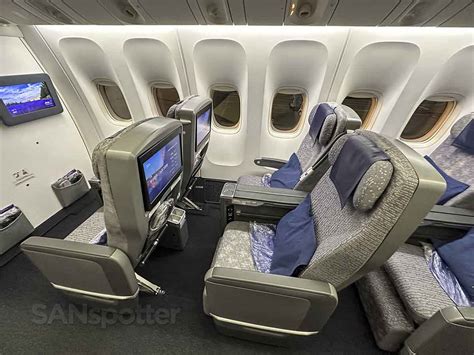
EVA Air: The Pioneer With 19.5-Inch Width and 42-Inch Pitch
EVA Air’s role as the originator of premium economy gives it both historical credibility and decades of refinement. On its Boeing 777-300ER and 787-9 aircraft operating from Taipei Taoyuan (TPE) to destinations including Toronto (YYZ), Vancouver (YVR), New York (JFK), and soon Washington Dulles (IAD), the airline offers seats measuring 19.5 inches wide with a remarkable 42-inch seat pitch.
That pitch figure is particularly significant. While width determines lateral comfort, pitch dictates legroom. At 42 inches, EVA Air’s premium economy offers a sense of openness that approaches the lower end of older-generation business class recliners. Combined with a supportive recline and well-designed footrest, the seat supports extended rest on long-haul sectors.
EVA Air’s premium economy has consistently earned accolades for both hard product and service. Meals are thoughtfully plated, and the cabin ambiance feels distinct from economy rather than a simple extension of it. For travelers prioritizing measurable space, EVA Air stands as one of the strongest contenders in the transpacific market.
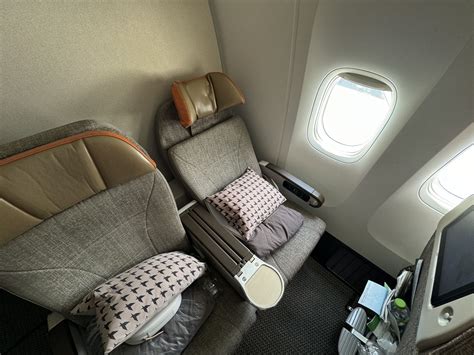
Cathay Pacific: Up to 20 Inches of Width Across the Pacific
Cathay Pacific’s premium economy offering pushes seat width even further on certain aircraft, reaching up to 20 inches. On Airbus A350-900 and Boeing 777-300ER aircraft flying from Hong Kong (HKG) to cities such as Boston (BOS), Vancouver (YVR), and Dallas/Fort Worth (DFW), the cabin provides a clear step up in both space and refinement.
The 2-4-2 layout reduces cabin density, while enhanced recline, ergonomic headrests, and adjustable leg rests allow passengers to tailor their seating position for work or sleep. On ultra-long-haul sectors that stretch well beyond 14 hours, these incremental improvements accumulate into a noticeably better journey.
Cathay Pacific’s design aesthetic leans toward understated sophistication. The materials, color palette, and lighting contribute to a cabin environment that feels calm and composed. Combined with attentive service and upgraded catering, the airline’s premium economy cabin delivers both width and atmosphere.
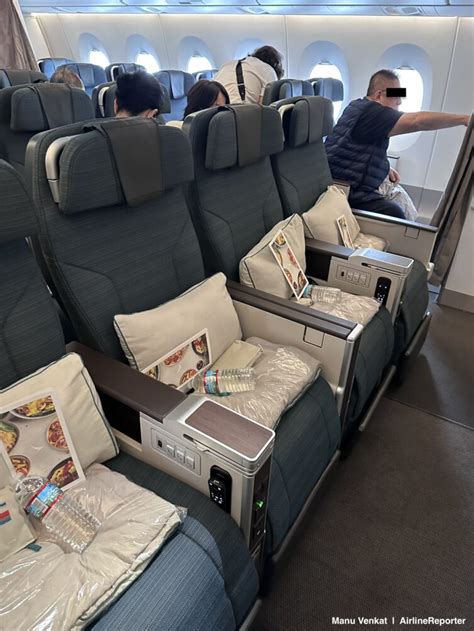
Why Seat Width Matters on Transpacific Flights
Seat width is more than a marketing bullet point. On long-haul aircraft, even an extra inch can reduce shoulder compression and improve circulation. Standard economy seats on many modern widebody jets have narrowed over time to accommodate higher passenger density. That trend makes premium economy’s added width feel especially significant.
Across the Pacific, where flight times can rival a full waking day, physical comfort directly affects arrival readiness. A wider seat allows for more natural posture shifts, better sleep positioning, and less friction with neighboring passengers. When combined with enhanced pitch and recline, it creates a layered comfort experience that standard economy simply cannot match.
Premium economy also bridges a psychological gap. The dedicated cabin space, upgraded dining, priority boarding, and improved baggage allowances collectively create a sense of distinction. For many travelers, this balance between price and comfort defines the optimal way to cross the Pacific.
Booking the Widest Transpacific Premium Economy Seats Today
Travelers seeking the widest seats should pay close attention to aircraft type and route. Airlines often deploy different configurations depending on the specific aircraft model. Checking seat maps and verifying seat width specifications before booking can ensure access to the most spacious options.
Among the standout measurements currently available on transpacific routes:
- Cathay Pacific: up to 20 inches wide
- EVA Air: 19.5 inches wide with 42-inch pitch
- All Nippon Airways: 19.3 inches wide
- Singapore Airlines: up to 19.5 inches wide
- Japan Airlines: up to 19.3 inches wide
These figures represent some of the widest premium economy seats you can book today across the Pacific. For travelers unwilling to endure a tightly packed economy cabin yet not ready to invest in business class, this segment offers a rational and comfortable compromise.
As airlines continue refining their cabins and introducing new-generation aircraft, premium economy is no longer a transitional product. It has become a defining feature of long-haul travel strategy. Across the vast expanse of the Pacific, width matters, and the carriers leading in seat dimensions are reshaping expectations for what mid-tier long-haul comfort can truly be.