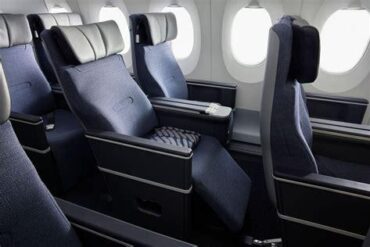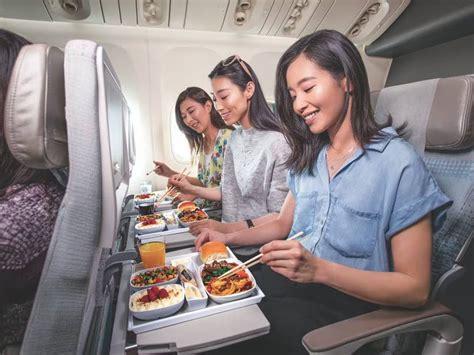
Long-haul travel in economy class no longer means bracing for discomfort. Across Asia, the Middle East, and Europe, airlines are investing heavily in smarter seat engineering, quieter composite aircraft, and service training that transforms a standard ticket into a genuinely refined journey. The 2025 Skytrax World Airline Awards, built on millions of verified passenger surveys, highlight a clear trend: the best economy cabins now blend ergonomic design, reliable service, thoughtful catering, and consistent fleet modernization.
Seat comfort is not a marketing slogan. It is measurable. Seat pitch—the distance between a point on one seat and the same point on the seat in front—directly affects legroom. Seat width determines shoulder comfort. Cushion composition shapes fatigue levels after hour six. Add cabin humidity, noise levels, lighting temperature, and crew attentiveness, and the difference between a draining flight and a restorative one becomes dramatic.
The airlines below stand out because they approach economy class as a product worthy of engineering precision rather than cost containment. Each carrier demonstrates how design philosophy, fleet strategy, and service culture converge to redefine what travelers can expect at the back of the plane.
Turkish Airlines: Global Reach Meets Thoughtful Comfort
Turkish Airlines operates the world’s most extensive country network, linking more nations than any other carrier. That scale matters because long-haul comfort is most noticeable when routes stretch across continents. In economy class, passengers receive complimentary full-service meals, beverages, and USB charging at every seat. Generous baggage allowances of up to 30 kilograms on long-haul flights reduce the stress of international travel.
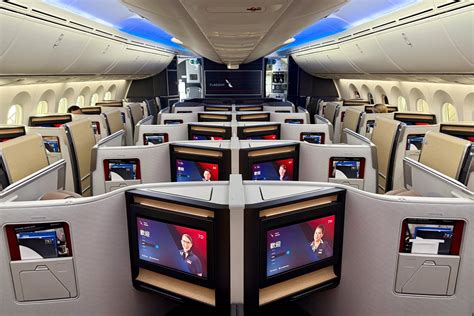
The experience improves significantly on newer aircraft such as the Boeing 787 Dreamliner and Airbus A350. These composite aircraft are pressurized to lower cabin altitudes and maintain higher humidity levels, reducing dehydration and fatigue. Seats are wider, cabins quieter, and overhead bins redesigned for easier access. On older Boeing 777 aircraft, seating density is tighter, which subtly alters comfort. Aircraft selection can therefore transform the journey.
Travel kits with eye masks, socks, and dental essentials add practical value. Cabin crews are frequently praised for professionalism and warmth, reinforcing the airline’s reputation for reliability. Turkish Airlines proves that network breadth does not have to dilute onboard quality.
Hainan Airlines: Smart Cabin Design With Subtle Innovation
Hainan Airlines approaches economy comfort through design efficiency. On Boeing 787s and Airbus A330s, the airline introduced a distinctive “bookshelf” cabin layout that optimizes overhead storage. By reconfiguring storage architecture, the cabin feels more open, subtly increasing perceived space and reducing visual clutter.
Seats include lumbar support and slightly improved legroom compared with older layouts. Each seat features a personal entertainment screen with an extensive selection of films, television, and music. Complimentary meals and beverages remain standard, while long-haul passengers receive travel kits with slippers and eye masks.
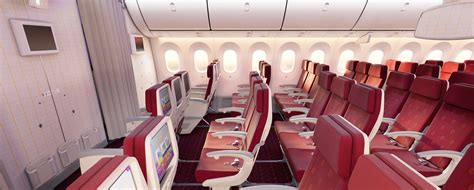
Fleet modernization plays a central role in Hainan’s strategy. Newer aircraft offer better cabin pressure systems and quieter engines, enhancing rest quality on intercontinental routes. While its network is smaller than mega-carriers, Hainan balances cost and comfort effectively, positioning itself as a strong option for value-focused international travelers.
STARLUX Airlines: Boutique Luxury in Economy
STARLUX Airlines launched in 2020 with a bold ambition: deliver boutique-level refinement across all cabins, including economy. Operating exclusively modern Airbus A350 and A321neo aircraft, the airline benefits from next-generation airframes that prioritize fuel efficiency, noise reduction, and passenger well-being.
Economy seats feature an impressive 32 to 34 inches of pitch, exceeding many regional competitors. High-resolution personal entertainment screens are paired with carefully curated meal service. The cabin aesthetic leans toward muted tones and elegant finishes, cultivating a calm environment that reduces sensory overload during long-haul travel.
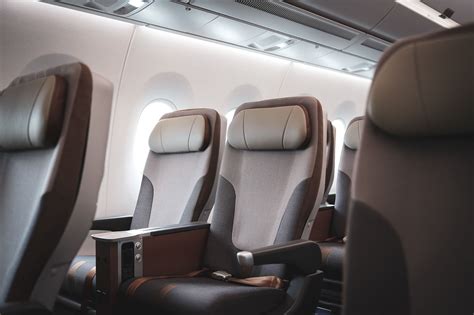
Flights from Taipei to major U.S. cities such as Los Angeles, San Francisco, and Seattle demonstrate STARLUX’s long-haul capability. Despite a smaller route network and slightly higher fares, the airline has quickly gained recognition for delivering an economy experience that feels intentionally designed rather than standardized.
Emirates: Entertainment and Service at Scale
Emirates operates one of the world’s most recognizable long-haul fleets, serving nearly 100 cities. Its economy product is defined by consistency. Complimentary pillows, blankets, headphones, and full-service meals come standard, reinforcing a sense of hospitality regardless of ticket price.
The airline’s inflight entertainment system is among the most extensive globally, offering thousands of movies, television episodes, and music tracks. For flights exceeding ten hours, content variety becomes a meaningful comfort factor.
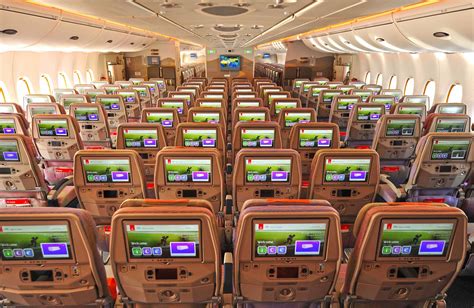
On Airbus A380 aircraft, the spacious cabin layout and quieter engines enhance passenger comfort. Some older Boeing 777 configurations feature tighter seat widths, illustrating how fleet variation affects perception. Emirates mitigates this through rigorous crew training programs, including weeks of instruction in safety, cultural awareness, and anticipatory service.
EVA Air: Ergonomics as a Priority
EVA Air consistently ranks among the most comfortable economy cabins worldwide. On aircraft such as the Airbus A330-300, seats feature shape-memory foam cushions that conform to the passenger’s body. When reclining, the seat base subtly shifts forward, maintaining ergonomic alignment and reducing lower back strain.
Cabins are known for cleanliness and a serene atmosphere. Adjustable headrests provide multi-angle support, essential for rest on overnight routes. Entertainment screens offer a broad media library, and service standards emphasize attentiveness without intrusion.
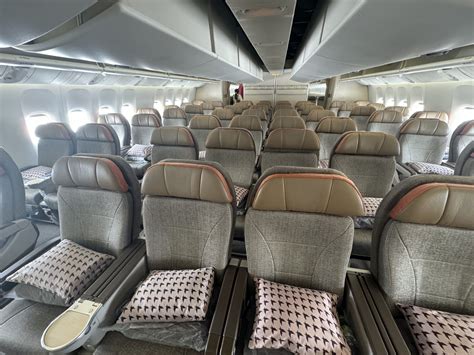
Fleet consistency remains a work in progress. Not all aircraft feature identical seat designs or universal in-seat power. Standardizing these features would strengthen EVA Air’s competitive position, but its current product already delivers notable comfort and reliability.
Japan Airlines: Space and Precision
Japan Airlines (JAL) approaches economy comfort with disciplined engineering. Operating over 160 aircraft, including Boeing 787 Dreamliners, JAL emphasizes seat width and pitch that often exceed industry averages. Passengers frequently comment on the sense of personal space, especially on long-haul routes.
The cabin atmosphere is calm and meticulously maintained. Boarding procedures are efficient, meal presentation refined, and service interactions polished. Chef-curated cuisine enhances the inflight dining experience, elevating economy beyond basic sustenance.
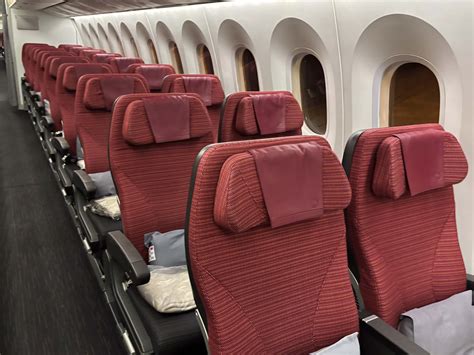
While JAL may not showcase the most cutting-edge entertainment interfaces, its consistency and spatial generosity deliver dependable comfort. The Dreamliner’s reduced cabin altitude and improved humidity contribute further to passenger well-being.
All Nippon Airways: Consistency Across a Modern Fleet
All Nippon Airways (ANA) operates a substantial fleet that includes Boeing 787 Dreamliners and Airbus A380s. These aircraft provide quieter cabins and advanced air filtration systems, improving overall comfort during long-haul flights.
Economy seats are ergonomically shaped with generous legroom. Inflight entertainment screens are clear and responsive. Catering receives consistent praise for freshness and balanced presentation, offering both Japanese and Western meal options.
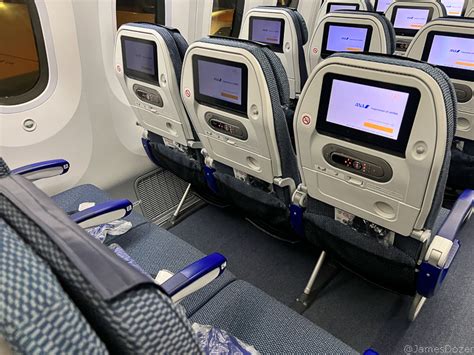
Cabin crews are known for professionalism and attention to detail. Cleanliness standards remain exceptionally high, reinforcing a sense of order and calm. ANA’s strength lies in reliability: passengers know what to expect, and that expectation is rarely disappointed.
Singapore Airlines: Refined Comfort With Precision Design
Singapore Airlines has earned the title of World’s Best Airline multiple times, and its economy class reflects that reputation. The fleet includes Airbus A350s and Boeing 777-300ERs, both optimized for long-haul performance.
Seats feature six-way adjustable headrests, USB charging ports, and carefully engineered cushioning. Mood lighting transitions subtly throughout the flight, aligning with circadian rhythms to reduce jet lag. Menus are viewable before departure, allowing passengers to plan dietary preferences in advance.
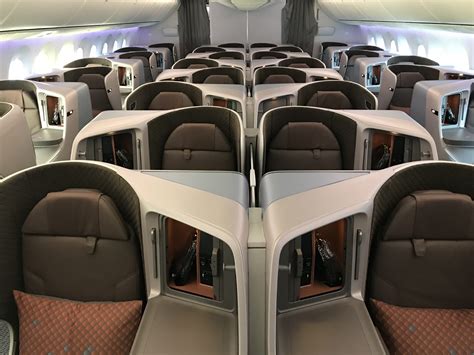
The airline’s calm cabin environment, combined with meticulous service training, elevates the experience. Singapore Airlines demonstrates that economy comfort is not accidental; it is systematically designed.
Qatar Airways: Balanced Innovation and Value
Qatar Airways integrates ergonomic seating, modern entertainment systems, and consistent fleet upgrades across its long-haul network. Aircraft such as the Boeing 787 and Airbus A350 provide quieter cabins and improved cabin pressure systems.
Seats offer generous pitch and adjustable headrests, while USB charging ports maintain connectivity. The entertainment library spans thousands of titles, supporting extended journeys with diverse content options.
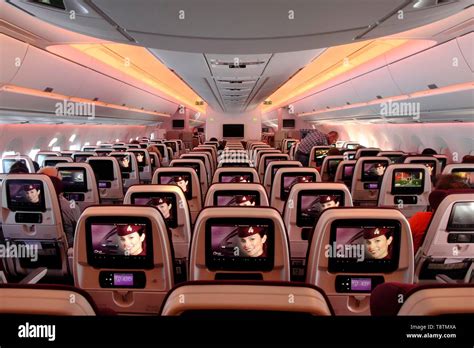
Passengers frequently highlight attentive service and polished meal presentation. Minor configuration differences exist on older aircraft, but ongoing modernization efforts reinforce the airline’s reputation for delivering value without sacrificing comfort.
Cathay Pacific: Calm, Organized, and Dependable
Cathay Pacific rounds out the list with an economy product grounded in ergonomic design and operational consistency. Operating Airbus A350s and Boeing 777s, the airline emphasizes quiet cabins, supportive seating, and high-resolution entertainment screens.
Legroom is competitive on long-haul routes, and adjustable headrests enhance rest. USB charging ports are widely available, supporting modern travel needs.
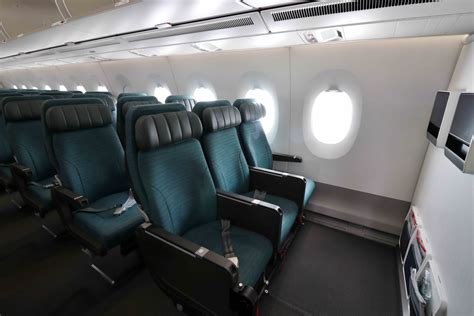
Passengers consistently note the efficiency of boarding procedures and the professionalism of cabin crews. Meals are thoughtfully prepared, cabins immaculately maintained, and inflight operations smooth. Cathay Pacific’s strength lies in dependable execution, delivering a comfortable and organized journey across its global network.
Redefining Economy Class Comfort in 2025
The modern economy cabin is a product of engineering evolution and cultural commitment. Composite aircraft reduce cabin altitude and increase humidity. Ergonomic seat architecture minimizes musculoskeletal strain. Lighting systems align with biological rhythms. Crew training enhances service precision. These improvements accumulate, transforming hours in the air into a far more manageable experience.
Comfort today depends as much on aircraft type as airline brand. Checking whether a flight operates on a Boeing 787 or Airbus A350 can make a measurable difference. Fleet modernization is no longer cosmetic; it directly shapes passenger physiology and perception.
The airlines leading in 2025 recognize a fundamental truth: economy passengers are not an afterthought. When seat geometry, service culture, catering quality, and entertainment depth align, the result is a journey that feels intentional. The back of the plane, once synonymous with compromise, now offers a standard of comfort that would have seemed improbable just a decade ago.