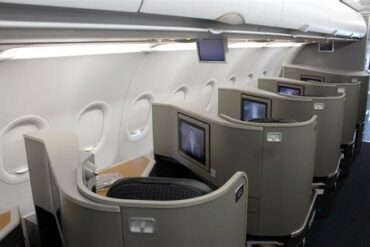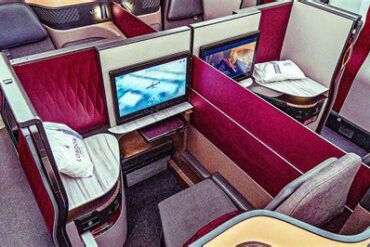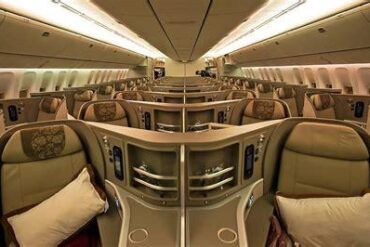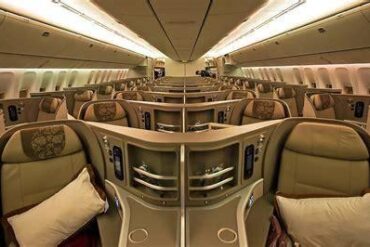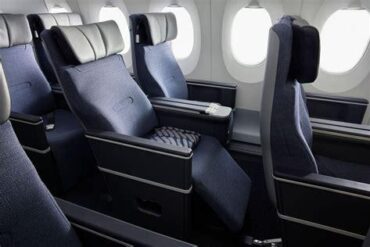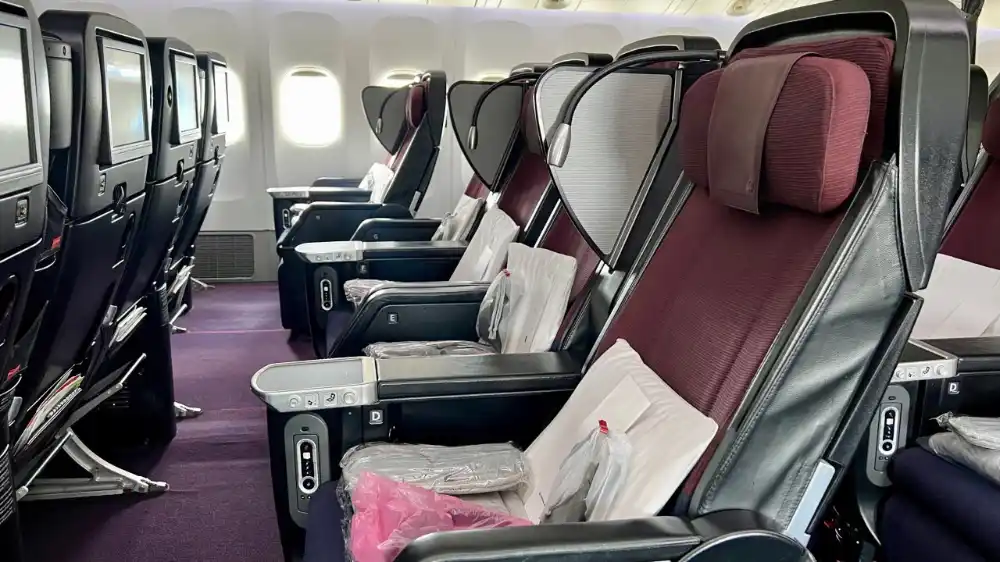
For discerning travelers seeking a superior long-haul experience without committing to full business class fares, premium economy cabins across the Pacific have evolved into a compelling middle ground. As airlines invest more into passenger comfort and satisfaction, a select few have managed to set new benchmarks in this increasingly competitive category.
Why Premium Economy Is a Smart Investment
Transpacific flights often stretch 10 to 14 hours, and for many, standard economy seating can turn that into a grueling test of endurance. Premium economy cabins provide a reprieve—offering noticeably more space, recline, amenities, and often, enhanced service levels. With wider seats, more legroom, improved dining, and dedicated boarding lanes, this class has emerged as a cost-effective luxury for business travelers, leisure flyers, and even mileage hunters.
The following carriers currently offer the most comfortable, spacious, and thoughtfully designed premium economy seats on routes between Asia and North America. Their products are the result of years of innovation, strategic investment, and customer feedback.
Japan Airlines Sky Premium: The Gold Standard
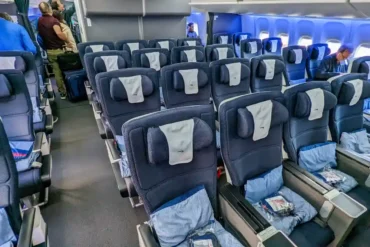
Japan Airlines (JAL) has redefined expectations with its Sky Premium product. With a seat pitch of 42 inches—among the most generous in the world—and fixed-shell seat design, JAL ensures that personal space remains undisturbed, even when the seat ahead reclines. These ergonomic marvels also come with leg rests, laptop power ports, AV inputs, and USB charging.
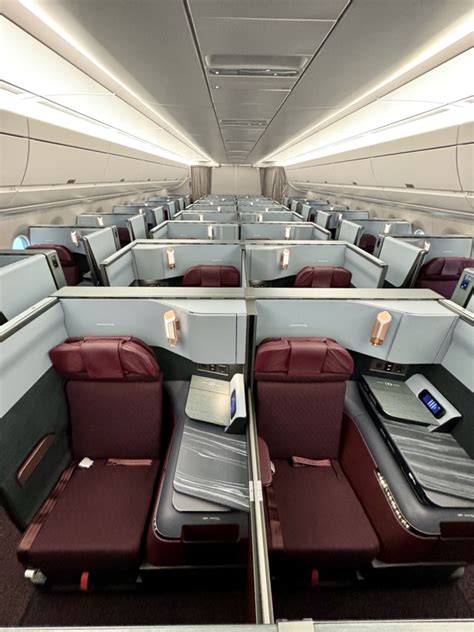
Onboard the Airbus A350-1000, JAL has elevated the experience further with 16-inch 4K entertainment screens, privacy dividers, and enhanced leg support. It’s a thoughtful, almost business-lite environment crafted for transpacific comfort.
On the ground, the experience starts with dedicated check-in lanes and, in many locations, access to business class lounges. Priority boarding and baggage services round out a seamless journey from curb to gate. The cabin was rightfully honored with the Best Premium Economy Class at the 2024 SKYTRAX World Airline Awards.
Singapore Airlines: Where Dining and Design Meet Altitude
Renowned globally for its impeccable service, Singapore Airlines (SIA) delivers a polished and pampered experience in its premium economy cabin. The 19.5-inch wide seats with 38-inch pitch come with 125° recline, calf rests, and footrests, ensuring a plush in-flight experience.
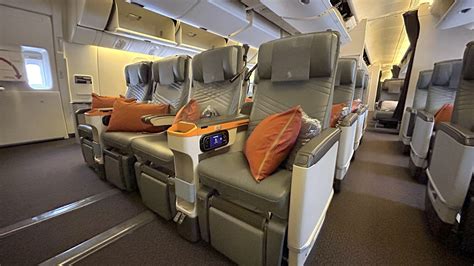
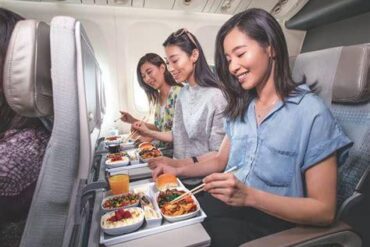
What truly sets SIA apart, however, is its inflight dining program. Premium economy passengers are offered an upgraded menu featuring seasonal appetizers, curated main courses, desserts, and even champagne and fine wines. Coupled with noise-cancelling headphones, 11.1-inch touchscreen monitors, and ample storage, the cabin fosters a tranquil and indulgent atmosphere.
SIA also ensures priority check-in and boarding. While lounge access is not standard, the consistently high cabin service levels and detailed touches—like dedicated cabin crew—help offset that limitation. With uniformity across A380 and 777 aircraft, passengers can expect the same high standards across the fleet.
ANA Premium Economy: Harmony and Consistency
All Nippon Airways (ANA), Japan’s second-largest airline, offers a refined, balanced premium economy product. ANA’s seats provide deep recline, footrests, and leg support, all wrapped in a minimalist, calming aesthetic that reflects the airline’s Japanese heritage.
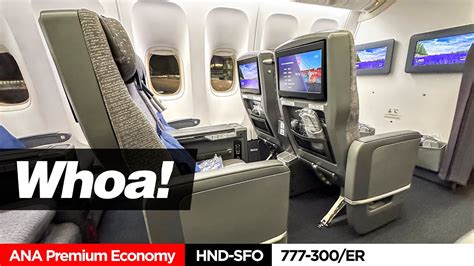
ANA’s premium economy doesn’t aim to dazzle with flash but instead offers consistent comfort and seamless service. With priority check-in, expedited security lanes at many airports, lounge access for premium economy passengers at select locations, and reliable on-time performance, ANA emphasizes predictability and peace of mind.
Onboard, the experience is soothing and ergonomically sound. The wide seats and polished finishes promote restful travel, while personal entertainment systems, in-seat power, and attentive crew ensure the journey unfolds without disruption. ANA’s premium economy is ideal for those who value understated excellence and operational reliability.
Cathay Pacific: Comfort and Quiet in the Skies
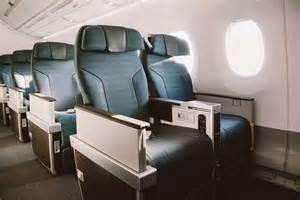
Cathay Pacific’s premium economy is known for combining spacious seats with a serene cabin environment. With 40-inch pitch, 8-inch recline, and full leg rests, the seat itself is more than enough to justify the upgrade. But Cathay goes further.
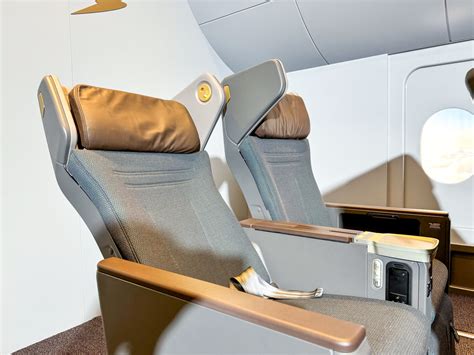
Premium flyers are treated to larger screens, Bluetooth headphone pairing, and Michelin-star inspired meals, ensuring both entertainment and dining exceed expectations. Even the dedicated lavatories and priority baggage hint at a higher-tier experience. Moreover, complimentary Wi-Fi is rolling out across its long-haul fleet, positioning Cathay as one of the few carriers to offer such an amenity in this cabin class.
With its A350 and 777 aircraft, Cathay blends modern design, acoustic comfort, and digital enhancements into a product that truly feels premium. It’s a sanctuary at 35,000 feet—offering great value for transpacific travelers who want spaciousness without paying business fares.
Aircraft Type and Seat Engineering Matter
The seat experience is deeply influenced by the aircraft model. Newer long-haul jets like the Airbus A350, Boeing 787, and refreshed Boeing 777 cabins bring improved air pressure, humidity, and noise insulation, making even the longest flights more bearable.
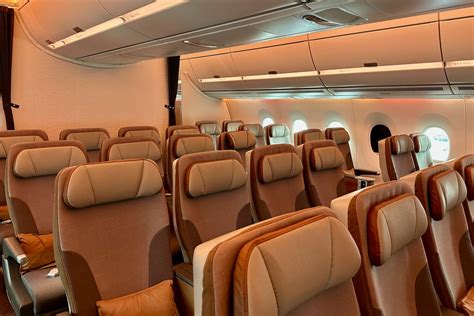
Seat pitch, width, and even recline mechanics can vary not just by airline but by aircraft type. JAL’s fixed-shell seats ensure personal space, while other airlines opt for deeper recline, which can intrude depending on cabin layout. Premium economy passengers should also be aware of bulkhead and exit row seats, which may offer increased space but sometimes lack footrests or under-seat storage.
Comfort also hinges on cushioning, lumbar support, and legroom, features that vary based on seat generation. Passengers flying on retrofitted aircraft may find older hardware, which, despite premium pricing, can lag behind newer offerings.
Which Premium Economy Cabin Should You Choose?
Japan Airlines leads for those who prioritize seat privacy, fixed recline, and legroom—a sanctuary for sleep and personal space. Its generous lounge access and boarding perks are ideal for business travelers and frequent flyers.
Singapore Airlines offers a more gourmet-forward, service-rich experience, with unmatched in-flight dining and refined elegance. It’s a top pick for those who want to be pampered in the skies.
ANA is the reliability champion, appealing to pragmatic travelers who want smooth, consistent service, refined cabin ambiance, and premium perks without the fuss.
Cathay Pacific strikes a middle ground with a quiet, comfortable, and tech-forward cabin. With reliable amenities, superior seating, and ongoing upgrades like Wi-Fi, it’s excellent for leisure and business travelers alike.
Don’t Overlook the Loyalty and Network Value
When booking premium economy, frequent flyer benefits and airline alliances play an underrated role. Booking with Oneworld (JAL, Cathay) or Star Alliance (Singapore Airlines, ANA) partners can mean status perks, mileage accrual, and upgrade opportunities that enhance the value of your journey. Some credit card programs and elite status tiers even unlock lounge access or priority services regardless of fare class.
Routes also matter. For instance, Singapore Airlines flies nonstop from LAX and SFO to Singapore, while ANA and JAL operate out of key U.S. West Coast hubs. Cathay’s network connects major North American cities with multiple Asian destinations, adding flexibility for multi-leg itineraries.
Conclusion: Premium Economy Is No Longer Secondary
The modern transpacific premium economy cabin is no longer a marginal product. It has matured into a well-designed, comfort-centric, and strategically positioned offering that gives long-haul travelers more than just extra space—it provides a genuine experience.
As airlines continue refining their cabins, passengers can now fly with far greater comfort, taste, and ease—without doubling their ticket price. With the right airline and route, premium economy may just be the smartest seat on the plane.