Flying careers often come with the expectation that age eventually becomes a deciding factor. For airline pilots in the United States, that expectation is written into federal regulations: commercial airline pilots must retire from flying passenger aircraft at age 65. But for US flight attendants, the situation is completely different. There is no equivalent mandatory retirement age, meaning many cabin crew members can continue working well beyond traditional retirement years if they remain healthy, qualified, and willing to continue.
The difference between pilots and flight attendants raises an interesting question. Both professions work inside the same aircraft, both are responsible for passenger safety, and both must meet strict medical and performance standards. However, the rules governing their careers are based on very different considerations. While pilots directly control the aircraft and make operational decisions that affect every flight, flight attendants focus on cabin safety, emergency procedures, and passenger care.

Do US Flight Attendants Have a Mandatory Retirement Age?
The simple answer is no. Unlike airline pilots, US flight attendants do not have a federally mandated retirement age. The Federal Aviation Administration (FAA) does not set a maximum age limit for cabin crew members, and there is no US law requiring flight attendants to stop flying at a specific age.
A flight attendant in the United States can technically continue working into their 60s, 70s, or even beyond, provided they can successfully perform the essential duties of the job. Airlines generally evaluate employees based on ability, health, training requirements, and performance rather than age alone.
This approach is connected to broader US employment laws. Under federal age discrimination protections, airlines cannot simply refuse employment, dismiss workers, or force retirement because someone reaches a certain birthday. The decision to retire is largely personal, allowing flight attendants to choose when they want to leave the profession.
This is one of the biggest differences between aviation careers in the United States. A pilot approaching age 65 knows that federal regulations will eventually end their commercial flying career. A flight attendant reaching the same age may still be actively working international routes, managing emergency situations, and welcoming passengers onboard.
Why Pilots Have a Retirement Age But Flight Attendants Do Not
The different rules exist because pilots and flight attendants have different responsibilities during flight operations.
Commercial pilots are responsible for aircraft control, navigation, decision-making during emergencies, and overall flight management. Because aviation authorities consider age-related changes in reaction time, vision, hearing, and decision-making abilities important factors in flight safety, the FAA established a mandatory retirement age for airline pilots.
In the United States, the pilot retirement age was increased from 60 to 65 in 2007 through the Fair Treatment for Experienced Pilots Act. The regulation applies regardless of an individual pilot’s health, experience, or performance history.
Flight attendants, however, are not responsible for physically controlling the aircraft. Their safety duties include evacuations, firefighting procedures, medical assistance, security responses, and passenger management. These responsibilities require physical capability and training, but regulators have not determined that a specific age automatically prevents someone from performing the role safely.
As a result, the aviation industry treats flight attendants differently. Instead of using a fixed retirement age, airlines rely on ongoing qualification standards and employee evaluations.
Why American Flight Attendants Often Have Long Careers
The US flight attendant workforce is among the oldest in global aviation. Many cabin crew members continue working for decades because the industry structure rewards experience and long-term employment.
The average age of flight attendants worldwide is around 49 years old, and a significant majority are over 40. In the United States, the workforce is particularly experienced because strong labor protections, union representation, and seniority systems encourage employees to remain in the profession.

One major factor is the seniority system used by many US airlines. As flight attendants gain years of service, they often receive better schedules, preferred routes, improved vacation choices, and greater control over their working lives.
For many employees, the job actually becomes more attractive with experience. A new flight attendant may have limited schedule choices and less desirable routes, while a senior flight attendant may be able to select international trips, preferred destinations, and more convenient assignments.
The financial structure also encourages long careers. Senior flight attendants typically earn higher salaries than newer employees, and many receive strong retirement benefits, healthcare coverage, and travel privileges. These advantages make staying in the industry appealing even after many decades.
The History of Flight Attendant Age Restrictions
The modern ability of flight attendants to work longer careers represents a major change from aviation’s early decades.
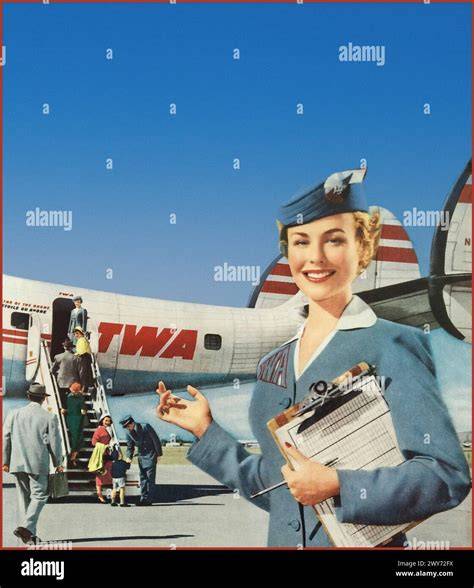
When commercial airlines began hiring cabin crew in the early 20th century, flight attendants faced strict and often discriminatory requirements. In the 1930s, airlines began recruiting women, particularly nurses, because companies believed medical training would help manage passenger concerns during flights.
However, airlines often viewed flight attendants through the lens of appearance rather than professional experience. During the 1940s, 1950s, and 1960s, many carriers imposed strict rules requiring attendants to be young, single, and within specific height and weight limits.
Some airlines forced flight attendants to leave their jobs when they married, became pregnant, or reached their early 30s. Retirement ages could be extremely young compared with today’s standards.
The industry changed dramatically as social attitudes evolved and legal protections expanded. Laws such as the Civil Rights Act of 1964 and later employment protections challenged discriminatory practices based on age, gender, race, and marital status.
Flight attendants and labor unions fought against unfair restrictions, eventually transforming the profession from a youth-focused service role into a respected aviation career.
By the late 20th century, airlines increasingly recognized the value of experienced cabin crew members. Safety knowledge, emergency experience, and customer service skills became more important than outdated ideas about age and appearance.
How US Flight Attendant Careers Compare With Other Countries
The United States is one of the most flexible countries when it comes to flight attendant retirement. In many regions, cabin crew members face very different expectations.
Some airlines in Asia and the Middle East have historically preferred younger flight attendants and have sometimes introduced unofficial age limits for new applicants. Certain carriers have been known to favor candidates in their 20s or early 30s, while older applicants may face greater challenges entering the profession.
In some markets, flight attendants may also experience earlier retirement expectations, sometimes around age 50. These practices vary widely between airlines and countries, and many regions are gradually changing as aviation becomes more focused on equality and professional experience.
Western aviation markets generally provide more opportunities for older cabin crew members. Airlines in the United States, United Kingdom, and parts of Europe increasingly focus on whether employees can meet safety and performance requirements rather than their age.
The contrast shows how cultural expectations and employment laws influence aviation careers. A flight attendant who might be considered near retirement in one country could still have many productive years ahead at an American airline.
Examples of Flight Attendants With Remarkably Long Careers
Some flight attendants have demonstrated that aviation careers can last far longer than many people expect.
One of the most famous examples is Bette Nash, who began flying in 1957 and built a career lasting more than six decades. She worked for several airlines, including Eastern Airlines, Trump Shuttle, US Airways, and American Airlines. She became recognized as one of the longest-serving flight attendants in history and continued working well into her 80s.
Her career was especially notable because she maintained a consistent route between Washington, DC, and Boston, allowing her to return home regularly to care for her disabled son.
Another remarkable example was Delta Air Lines purser Robert Reardon, who retired at age 90 after more than 60 years in aviation. He began his career in the late 1940s and continued serving passengers internationally for decades.
United Airlines flight attendant Iris Peterson also demonstrated the possibilities of a long aviation career. Starting in 1946, she worked for more than 60 years and became part of the generation that helped challenge discriminatory employment practices in the airline industry.
These careers highlight the fact that experience remains valuable in aviation. Knowledge of emergency procedures, passenger management, and operational routines can become stronger with time.
Can Flight Attendants Work Until They Are 70 or Older?
In theory, yes. A US flight attendant can continue working beyond age 70 if they meet the airline’s requirements and can safely perform their duties.
However, the job itself can become physically demanding with age. Flight attendants spend long periods standing, lifting luggage, pushing service carts, working irregular schedules, and dealing with time zone changes. Many eventually choose retirement because of lifestyle preferences rather than regulatory requirements.
Airlines may also require employees of all ages to maintain certifications, complete recurrent safety training, and demonstrate they can perform emergency duties. These requirements apply equally regardless of age.
Therefore, while there is no retirement deadline, continuing to fly depends on personal health, job satisfaction, and the ability to meet professional standards.
The Future of Retirement for US Flight Attendants
The absence of a mandatory retirement age gives American flight attendants one of the longest possible career paths in commercial aviation. As healthcare improves and people remain active longer, more employees may choose to continue working later in life.
At the same time, aviation continues to balance experience with safety. Airlines must ensure every crew member can perform emergency responsibilities, regardless of age.
For now, the answer remains clear: US flight attendants do not have a retirement age like pilots do. While pilots face a federally established retirement limit at 65, flight attendants can continue flying as long as they remain qualified, healthy, and capable of performing their duties.
The modern flight attendant career has evolved far beyond the industry’s early restrictions. Today, experience is often considered an advantage, and many cabin crew members prove that age is not a barrier to providing safe and professional service in the skies.