For decades, the Boeing 757 has bridged continents with remarkable endurance, operating some of the longest single-aisle transatlantic routes in commercial aviation. As airlines stretch the limits of narrowbody jets, one often-overlooked challenge lies not in passenger comfort—but in the rest and recovery of cabin crew during long-haul flights. Unlike widebody aircraft, the 757 was never built with dedicated crew rest compartments. Yet, as it continues to perform 7–8 hour missions, understanding how crew members sleep and recharge onboard this aircraft offers a compelling glimpse into operational adaptability, regulatory compliance, and inventive comfort solutions.
Why Crew Rest Matters on Long-Haul Narrowbody Flights
Fatigue management is not a luxury—it’s a legal requirement. Aviation authorities like the Federal Aviation Administration (FAA) mandate regulated rest periods for flight crews on long-haul operations. On aircraft like the 757, which routinely handles transatlantic routes, this becomes a pressing issue. Without integrated rest areas, airlines have had to find alternate solutions to ensure their pilots and flight attendants can meet both physiological needs and regulatory standards while in the air.
This is not unique to the Boeing 757 alone. Newer long-range narrowbodies like the 737 MAX and Airbus A321XLR are also being deployed on similar missions. These aircraft inherit the same challenge: no built-in rest quarters.
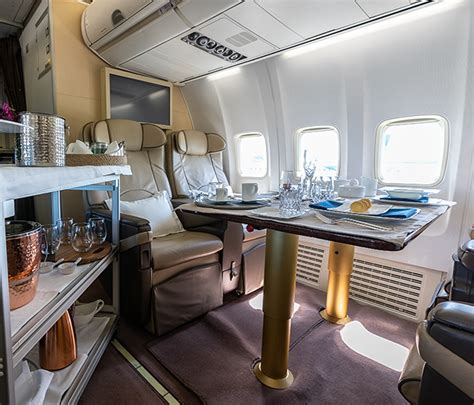
Makeshift Rest Zones: How Airlines Customize the 757 for Crew Recovery
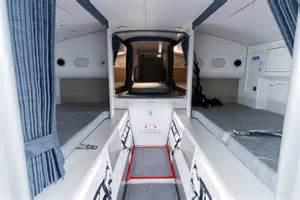
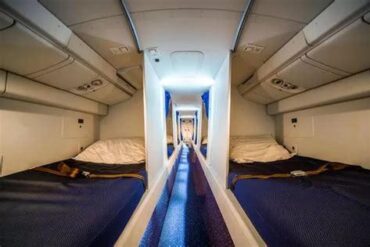
To accommodate the required crew breaks, airlines have developed improvised yet carefully engineered rest solutions. These setups vary by carrier but are always designed to maximize rest while minimizing disruption to passengers and operations.
Crew rest on the 757 typically takes one of two forms:
- Premium Cabin Utilization – Seats in business or first class are reserved specifically for off-duty crew. These may feature enhanced recline angles, additional padding, and privacy curtains.
- Modified Economy Rows – When no premium seating is available, entire rows in economy are blocked off and transformed into makeshift beds, often using portable mattress pads and privacy curtains.
This approach reflects a broader industry adaptation, allowing single-aisle aircraft to extend their reach without compromising operational safety or crew well-being.
Delta Air Lines: Operational Leader with Practical Solutions
As the largest operator of the Boeing 757, Delta Air Lines sets a noteworthy example. While its 757-200s lack hidden bunk modules, Delta has innovated within the cabin space itself.
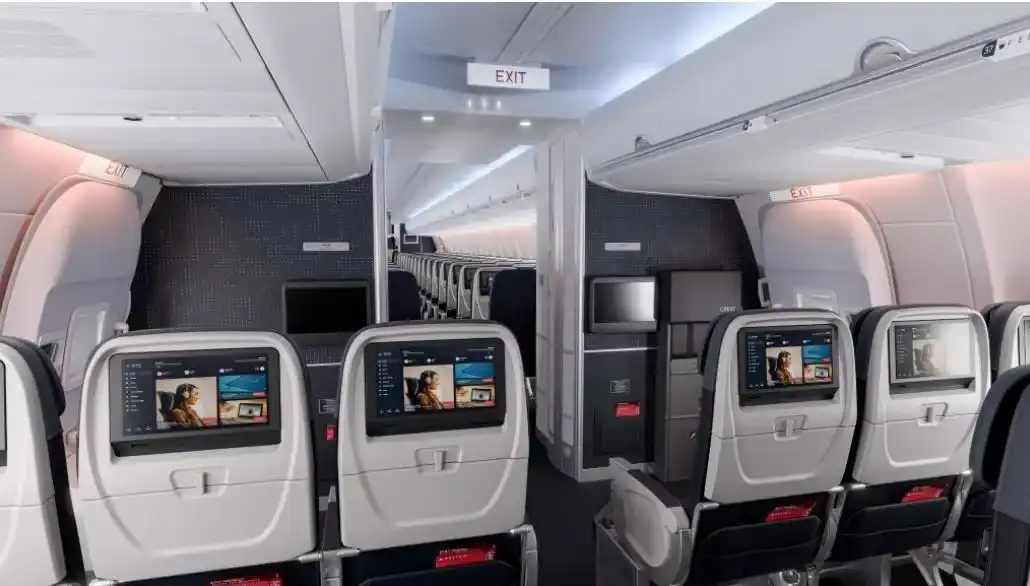
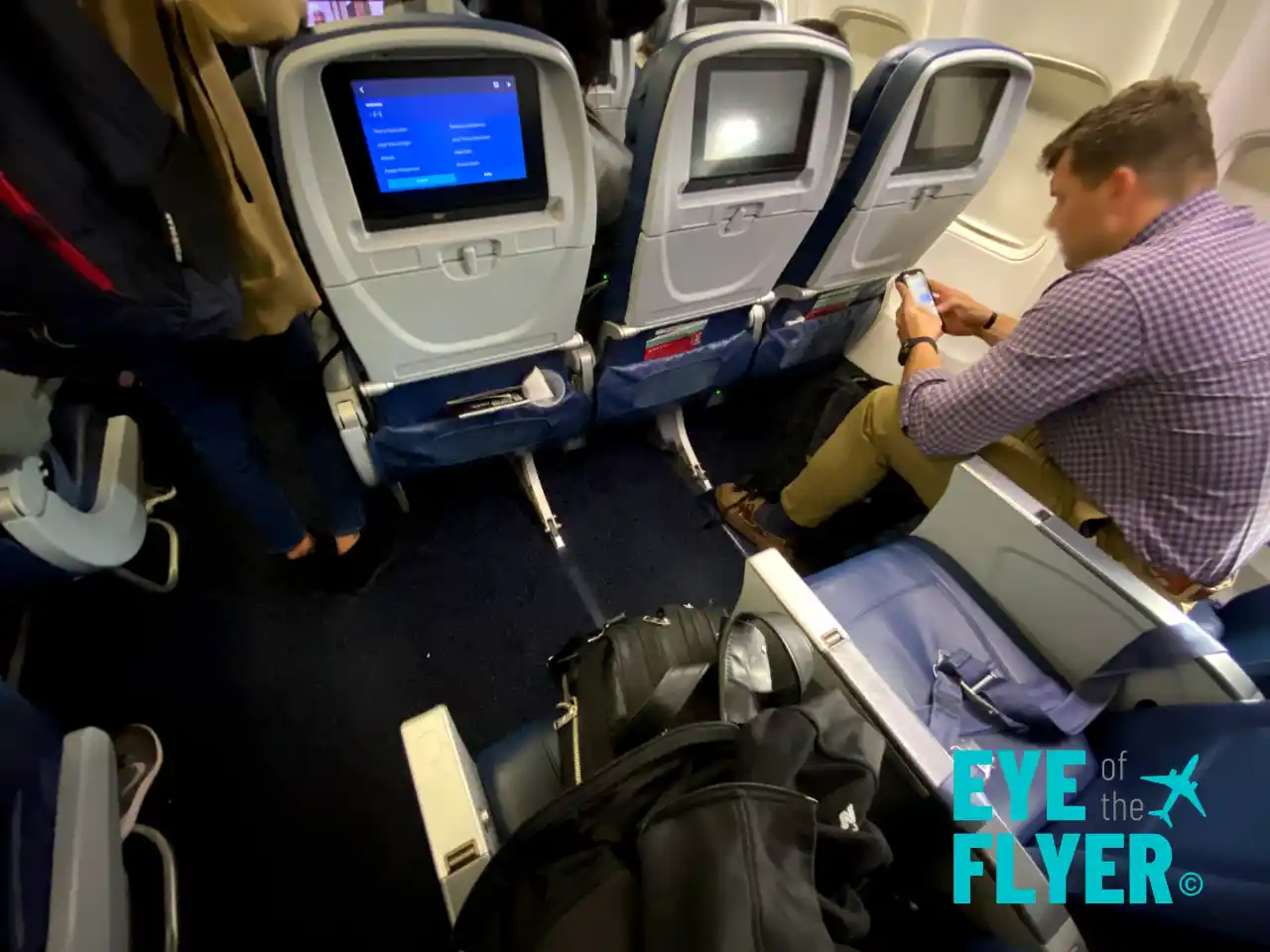
Delta designates Row 35, Seats D, E, and F as its standard crew rest area on many long-haul missions. These seats feature deep recline capabilities and additional cushion layers, creating a more sleep-conducive environment. Curtains provide much-needed visual privacy during rest periods.
Despite their ingenuity, these are still within the main cabin—making privacy and comfort limited by commercial constraints. Yet the thoughtful modification of existing seating showcases Delta’s commitment to crew welfare even within a narrowbody framework.
United Airlines: Prioritizing Pilot Comfort in Polaris Class
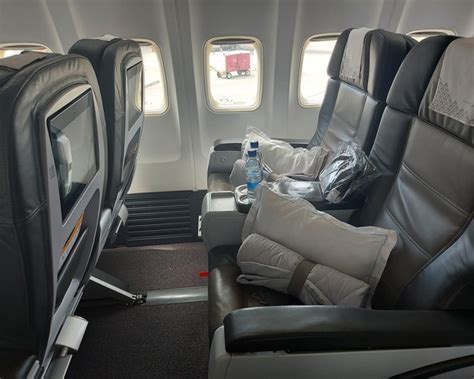
United Airlines, another prominent 757 operator, takes a slightly different route. It commonly assigns Seats 4A and 4B in the Polaris (Business Class) cabin as crew rest positions for augmented crews on transatlantic flights. When the flight requires a third or fourth pilot, these seats become critical for rotation.
These seats may be re-released to passengers if no rest is required on a specific flight leg, maximizing flexibility. However, the seats’ use is clearly prioritized for operational needs first.
Beyond this, United often mirrors Delta in blocking select rows in economy with added padding and curtains to support flight attendant rest cycles.
American Airlines: From Hydro-Lock Seats to Fleet Retirement
American Airlines previously used the 757 extensively but has since transitioned away from the model. During its 757 operations, American employed a variety of rest solutions:
- Business-class seats when available.
- Economy seats, specifically Rows 35 and 36 (D, E, F), enhanced with “hydro-lock” mechanisms allowing up to 70-degree recline.
- Curtained-off Main Cabin Extra (MCE) seats, providing a semi-private rest zone mid-cabin.
These setups varied depending on the route and aircraft configuration. Although American retired its last 757 in April 2020, these practices remain influential in shaping how newer narrowbodies are outfitted for similar missions.
Crossing the Atlantic: The 757’s Long-Haul Legacy
The majority of 757 crew rest adaptations stem from its transatlantic operations. Airlines such as Delta, United, and Icelandair have long relied on the 757 to serve “long and thin” routes—those with moderate passenger demand but significant distance. From New York to Reykjavik, Boston to Dublin, or Washington to Edinburgh, these journeys push the boundaries of single-aisle endurance.
As a result, rest solutions had to be developed on the fly—pun intended. Flight attendants and pilots often rest in alternating shifts, coordinated through onboard scheduling to ensure safety and compliance. These conditions are made even more challenging by the cabin’s limited noise insulation, older seat ergonomics, and proximity to passenger activity.
Nonetheless, the aircraft’s reliability, fuel efficiency, and performance on shorter runways have made it indispensable, particularly for secondary international markets.
Next-Gen Narrowbodies Inherit the Crew Rest Challenge
With the 757 gradually being phased out, its spiritual successors—737 MAX and A321XLR—face the same issue: no built-in crew rest spaces. Airlines have therefore begun to replicate and even enhance the 757-style solutions on these new platforms.
Take GOL of Brazil, for example. It operates an all-economy 737 MAX on 8+ hour routes between Brazil and Florida. The only crew rest option? A curtained-off economy row—reminiscent of early 757 strategies.
Meanwhile, American Airlines is turning to its new Airbus A321XLR to fly premium transatlantic missions. These aircraft will feature advanced lie-flat Flagship Suites in business class, likely to be used for crew rest as well. Yet the fundamental challenge remains: no hidden compartments, no bunks.
Innovations on the Horizon: Modular Crew Rest Units
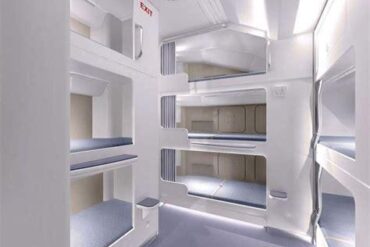
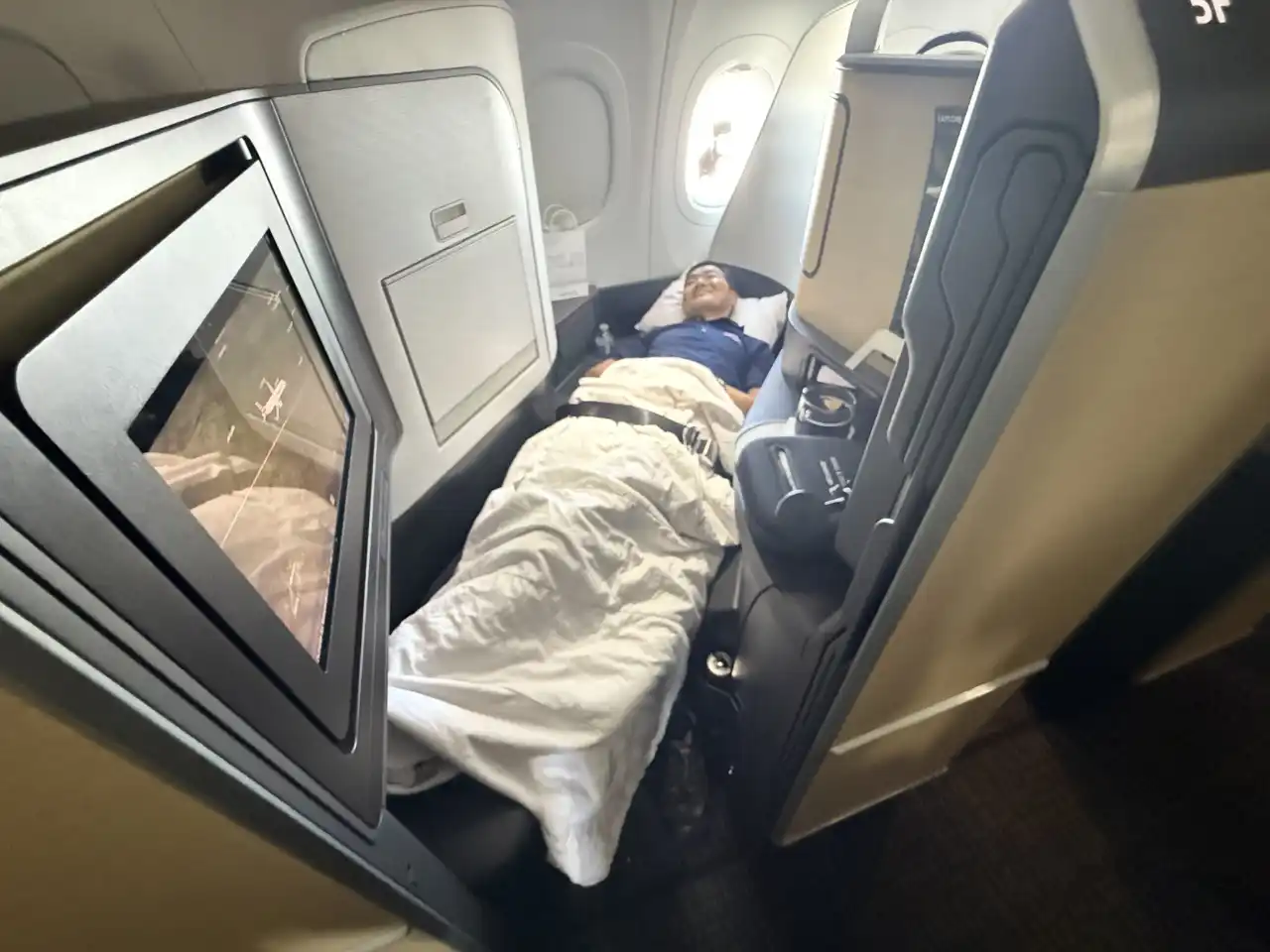
In response to the growing need, aftermarket innovators are introducing modular rest solutions that retrofit into existing narrowbodies. Leading the way is Diehl Aviation, which has developed a roll-on/roll-off crew rest unit for aircraft like the 757, 737 MAX, and A321.
This design features fold-down twin beds installed between the first passenger row and the entry door. Crucially, it doesn’t block emergency exits or boarding pathways. When not in use, the unit folds flat against the bulkhead, allowing the aircraft to maintain its full seating capacity.
Other solutions include Stirling Dynamics’ rest couch, which converts three economy seats into a certified lie-flat crew bed. These are particularly appealing to carriers wanting flexibility without permanent cabin redesigns.
These innovations mark a significant evolution from the early makeshift solutions of the 757 era. Modular systems provide:
- Enhanced rest quality for longer missions.
- Operational efficiency through quick installation and removal.
- Preserved revenue by not permanently blocking passenger seats.
What Crew Rest on the 757 Tells Us About Aviation Adaptability
The story of crew rest on the Boeing 757 is ultimately a case study in ingenuity under constraint. With no factory-designed sleeping compartments, airlines have had to adapt creatively to comply with FAA rules and ensure crew well-being over long-haul routes.
It speaks to a larger trend in aviation: the relentless push to make aircraft more efficient, more versatile, and more cost-effective. The 757’s solutions are being mimicked and modernized for next-generation aircraft, underscoring the enduring relevance of its blueprint.
While the 757 may be approaching the end of its operational lifespan, its legacy—especially in how crew rest was managed—will continue to shape the future of long-haul narrowbody aviation. The era of single-aisle Atlantic crossings is only just beginning, and thanks to the path carved by the 757, it’s a journey well within reach.