Ultra-long-haul flights, those stretching beyond 18 or even 20 hours in the air, demand a unique blend of endurance, coordination, and engineering excellence—not just for passengers, but especially for cabin crew. As the silent guardians of inflight safety and comfort, flight attendants must remain alert and composed for durations that test the limits of human stamina. The answer lies not in sheer willpower, but in a meticulously crafted system that blends science, design, and operational discipline to ensure rest and readiness over the course of these grueling journeys.
The Hidden World of Crew Rest Compartments
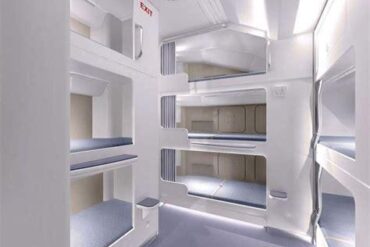
Beyond the familiar aisles and service trolleys lies a secret sanctuary—dedicated crew rest compartments that are purpose-built for long-haul operations. Typically tucked away above or below the main passenger cabin, these rest modules remain out of sight for most travelers. However, their role is paramount. These spaces are engineered with one goal in mind: restorative sleep in the sky.
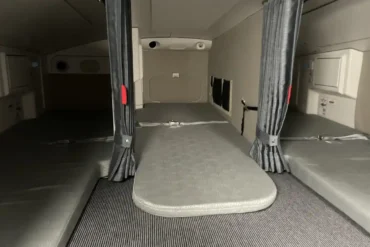
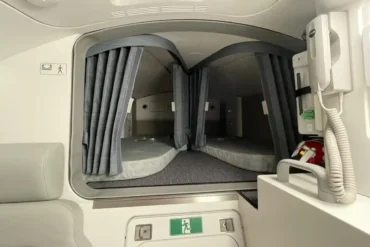
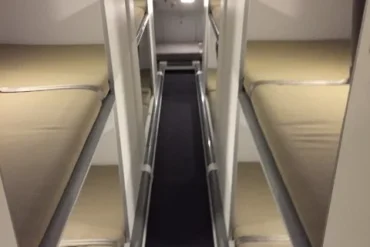
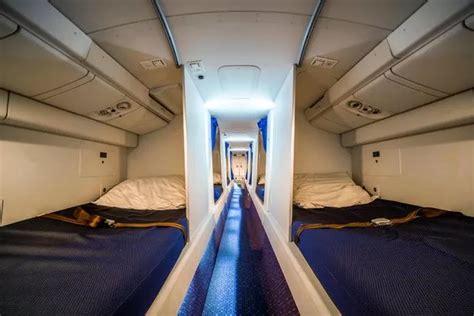
Inside these discreet zones are lie-flat bunks outfitted with seat belts, blackout curtains, ambient lighting, and temperature controls. Each bunk becomes a cocoon insulated from cabin noise and turbulence. Premium features like sound-dampening walls, individual ventilation systems, reading lights, and personal storage lockers transform the space into a haven for recovery.
Aircraft types like the Boeing 787, Airbus A350, and A380 are equipped with such rest facilities by design. Depending on airline configuration, there can be between six and twelve bunk spaces for flight attendants, ensuring no one is left without a designated spot. These rest areas are physically and acoustically separated from active work zones, enabling deep rest without interruption.
Shift Planning and Fatigue Management at 38,000 Feet
Rest does not happen spontaneously—it is strategically pre-planned by airline operations teams long before the wheels leave the runway. Cabin crew schedules are divided into shifts that ensure continuous service while meeting legally mandated rest periods. Regulatory bodies such as the FAA, EASA, and ICAO set strict frameworks that define duty time limitations and mandatory in-flight rest.
On ultra-long-haul flights, crew are typically given three to four-hour rest blocks, often aligned with periods of low passenger demand, such as post-meal windows. These schedules are refined with surgical precision to match service peaks, anticipated workload, and even time zone transitions. Should delays or turbulence alter the routine, crew supervisors dynamically adjust the rest roster to maintain compliance and alertness.
Preparation begins even before takeoff. Airlines require that crew members arrive for duty well-rested, adequately nourished, and hydrated. Many crew adopt their own sleep hygiene rituals, including the use of eye masks, noise-canceling headphones, blue-light filters, and melatonin timing to simulate night-time conditions regardless of the actual hour.
Inside the Boeing 787: A New Standard of Crew Comfort
The Boeing 787 Dreamliner, renowned for its long-range efficiency, introduces a thoughtfully designed crew rest module. Positioned above the main deck, these spaces benefit from both aerodynamic efficiency and crew privacy. Airlines often choose to locate these compartments either in the forward or rear fuselage depending on configuration.
Inside, the Boeing 787 crew rest area features ergonomic bunks, optimized ventilation, subdued lighting, and advanced soundproofing. The modular design ensures quick access in case of turbulence or emergencies, without encroaching on cabin operations.
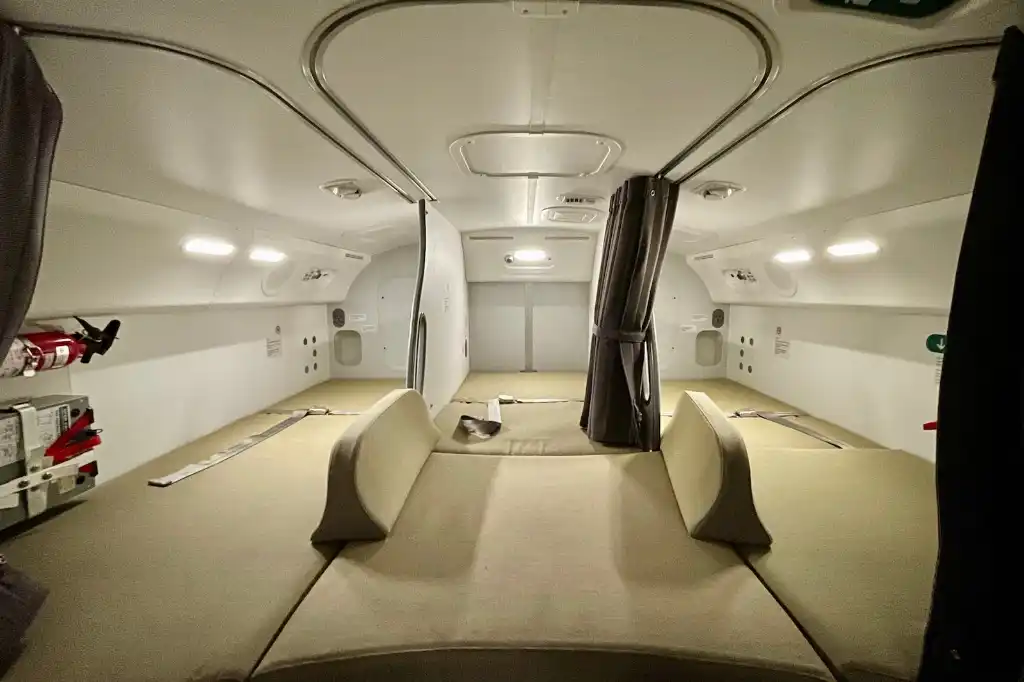
Such innovations allow crew members to achieve deeper sleep cycles, improving cognitive function, mood, and performance when they resume duties. Airlines may further personalize these modules with uniform storage, galley access points, or even crew-only lavatories.
Airbus A350: Precision Meets Restorative Design
Equipped for some of the world’s longest routes, including Singapore to New York, the Airbus A350 is a marvel of both engineering and human-centered design. Its cabin crew rest area is commonly situated in ceiling modules located forward or aft of the aircraft, separate from pilot rest areas.
These compartments boast lie-flat bunks with adjustable lighting, airflow customization, privacy curtains, and low-noise materials. The design ethos mirrors the A350’s broader focus on reducing fatigue through humidity control, low cabin altitude pressurization, and wider cabin space.
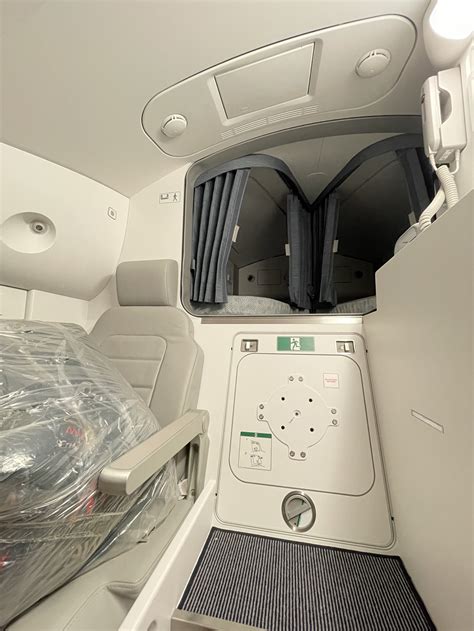
Crew feedback is often used to fine-tune these features, with airlines adjusting the number of bunks or amenities based on crew size, flight frequency, and route complexity. On longer hauls, having an efficient and restful environment is not a luxury—it’s a regulatory and safety imperative.
The A380 Advantage: Scale Enables Comfort
As the world’s largest commercial aircraft, the Airbus A380 must support high-capacity cabin crew operations over extremely long distances. The aircraft typically houses multiple crew rest compartments, with layouts tailored to specific airline service models. These are usually embedded in the upper deck ceiling space, often near galleys or lavatories for convenience.
Given its size, the A380’s rest zones are more spacious, allowing for more generous bedding, enhanced lighting controls, and sound-isolated entryways. With passenger loads frequently exceeding 500, ensuring optimal crew performance is essential for maintaining service quality across multiple cabin classes.
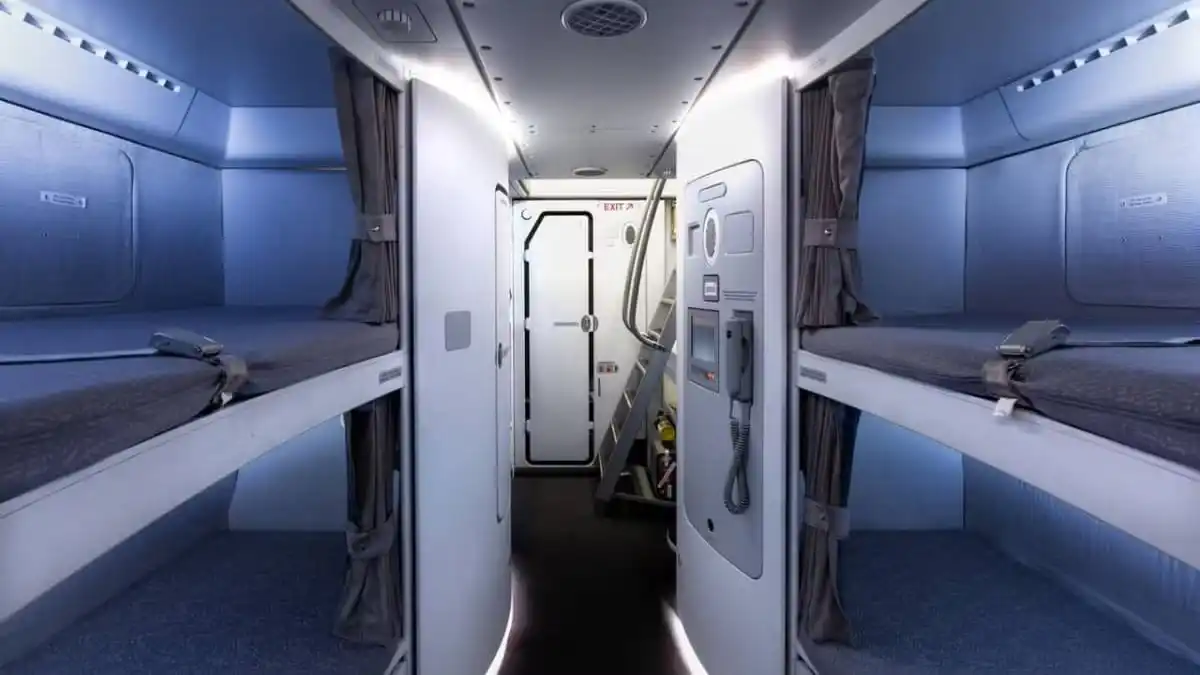
These configurations ensure that rotations are seamless, and that even on 20-hour flights, every crew member gets sufficient recovery time to perform safety-critical tasks with full attention.
Beyond Sleep: The Strategic Role of Scheduling Ultra-Long-Haul Flights
Behind every 19+ hour flight lies a complex tapestry of decisions made by airline scheduling teams. Route planning for ultra-long-haul operations begins with market analysis, connecting traffic trends, and aircraft capabilities. Airlines deploy long-range aircraft like the A350-900ULR, Boeing 777-200LR, and A380 based on range, cost-efficiency, and passenger demand.
Crew duty regulations must be precisely aligned with time zone crossings and airport curfews. Scheduling also includes contingency buffers for weather, airspace restrictions, and diversions, ensuring that both fuel loads and crew rosters can accommodate unplanned deviations.
These logistical decisions have a direct impact on how—and when—cabin crew sleep. Well-timed rest not only sustains crew performance but also minimizes in-flight incidents and optimizes passenger satisfaction.
Sustaining Human Performance Across the Longest Routes
In the rarified environment of ultra-long-haul aviation, maintaining human alertness is no simple feat. It is the result of a multi-disciplinary collaboration between aircraft engineers, airline planners, regulatory authorities, and the cabin crew themselves. From the subtle hum of ventilation systems inside a bunk to the intricately choreographed rest shifts, every detail is engineered to protect the well-being of those who keep passengers safe and comfortable.
As flights between Singapore and New York or Melbourne and Dallas become routine, the importance of cabin crew rest will only grow. The skies may stretch endlessly, but within the hidden compartments of the aircraft, rest, recovery, and resilience quietly power the future of long-haul travel.