Private aviation represents the highest tier of personalized air travel, where luxury, discretion, and flexibility redefine every aspect of flight—including how cabin crew rest and sleep. Unlike commercial airlines bound by rigid duty-time frameworks and standardized crew modules, private jet operations exist in a far more fluid, customized environment. Understanding how cabin crew manage rest on private jets reveals a world where regulatory freedom, aircraft design, and client expectations intersect in unique ways.
Private jets are not simply smaller versions of commercial aircraft. They operate under entirely different regulatory philosophies, often prioritizing owner preference and operational practicality over uniform global standards. This difference fundamentally shapes how—and where—cabin crew recover during long missions. While rest is still essential for safety and service quality, the solutions look dramatically different from the hidden bunk rooms of widebody airliners.
In private aviation, crew rest is not an afterthought, but neither is it standardized. Each aircraft, operator, and mission profile influences how rest is achieved, creating a fascinating spectrum of practices that blend comfort, improvisation, and discretion.
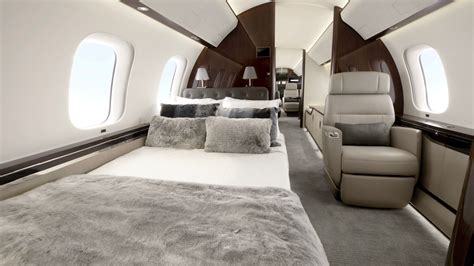
Why Crew Rest Works Differently on Private Jets
The cornerstone of crew rest differences lies in regulation. Commercial airlines operate under Part 121 rules in the United States, which strictly dictate duty limits, augmented crews, and mandatory rest facilities. Private jets, however, typically fall under Part 91 (private ownership) or Part 135 (charter and fractional operators). These frameworks offer significantly more flexibility in how rest is managed.
Because private jets often carry far fewer passengers, the legal requirement for flight attendants disappears entirely once capacity falls below 20 seats. This regulatory reality means cabin crew on private jets are present primarily to elevate the onboard experience rather than fulfill mandatory safety staffing ratios. As a result, rest provisions for them are guided more by company policy and owner preference than by law.
Another defining factor is flight length. While most private jets are designed for short- to medium-range missions, a select group of long-range business jets regularly operate transcontinental and intercontinental routes, making onboard rest not just desirable but operationally necessary.
Are Flight Attendants Required on Private Jets?
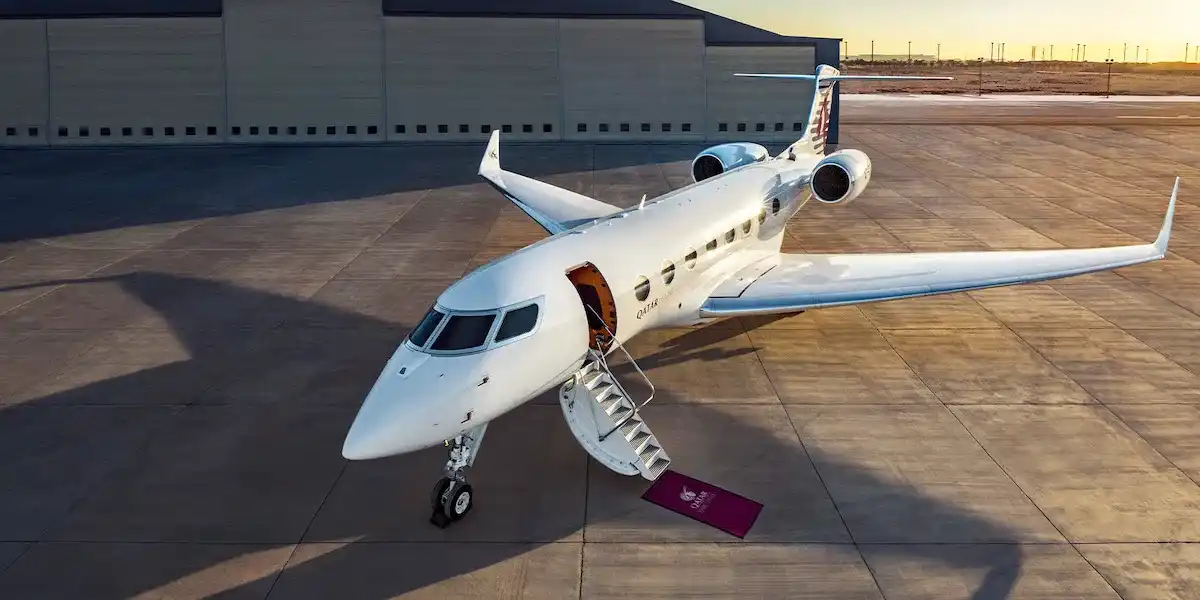
In a surprising contrast to commercial aviation, no private jet currently in production legally requires a flight attendant. Even the largest purpose-built business jets—such as the Gulfstream G700 or Bombardier Global 8000—are certified for a maximum of 19 passengers, keeping them below regulatory thresholds.
Despite this, many operators deliberately staff cabin crew to meet the expectations of ultra-high-net-worth travelers. Companies like NetJets and VistaJet invest heavily in flight attendants who combine aviation knowledge with five-star hospitality expertise. Their presence transforms the cabin into a bespoke flying residence, complete with fine dining, curated amenities, and seamless service.
For private owners, the equation is even more flexible. Some employ full-time cabin crew who travel exclusively with a single aircraft, while others hire attendants on a per-trip basis. In these scenarios, hospitality experience often outweighs aviation background, and compensation can exceed airline salaries by a significant margin—sometimes dramatically.
Where Cabin Crew Actually Rest Onboard
Because cabin crew are not mandated by regulation, dedicated rest areas for them are rare. Business jet manufacturers prioritize passenger space, cabin aesthetics, and owner-configurable layouts over standardized crew accommodations.
In practice, cabin crew rest in several ways:
- Passenger seats converted for rest, often fully lie-flat and located away from active cabin zones
- Jumpseats near the cockpit, used primarily during shorter rest intervals
- Pilot rest areas, when company policy permits shared use
- Unoccupied divans or sofas, common in large-cabin layouts
Unlike commercial crew rest modules—designed to be hidden and utilitarian—private jet rest arrangements are often visibly luxurious, though less isolated. Privacy is typically achieved through curtains, cabin zoning, or timing service around rest rotations, rather than physical separation.
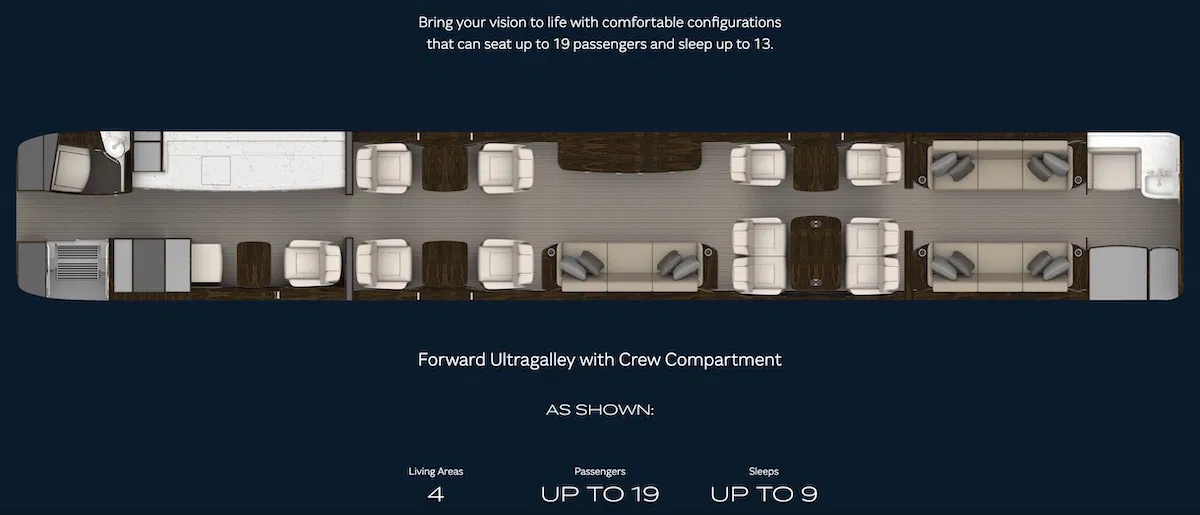
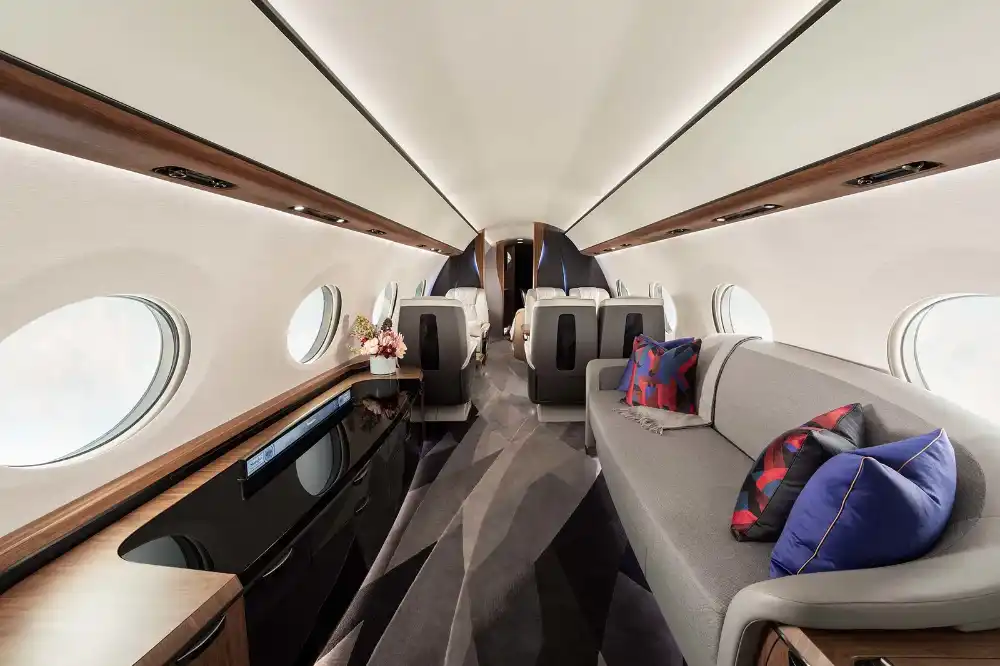
The Reality of Long-Haul Private Jet Missions
While most business jets fly missions under eight hours, long-range aircraft operate in a different league altogether. Jets such as the Gulfstream G650ER, G700, Bombardier Global 7500, and Global 8000 routinely connect continents without refueling, placing unique demands on crew endurance.
On these flights, operators often schedule augmented flight decks, with three or four pilots rotating rest periods. Cabin crew augmentation is less common but may occur based on service complexity, flight duration, or operator standards.
For cabin crew, rest during ultra-long-haul private flights becomes a carefully choreographed balance between availability and recovery. Service expectations remain high even during overnight segments, meaning rest periods must be optimized for alertness rather than simply duration.
Pilot Rest Facilities and Shared Use
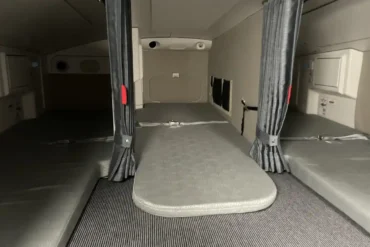
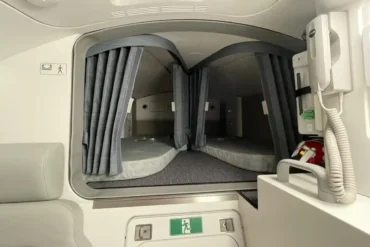
Long-range business jets frequently include optional pilot rest compartments, typically located near the forward cabin or opposite the galley. These areas often feature convertible recliner beds or full bunks, enclosed by curtains or sliding doors to meet FAA rest definitions.
While designed for pilots, these spaces sometimes become shared rest areas for cabin crew, depending on internal policy. This practice highlights one of private aviation’s defining traits: operational adaptability. Unlike commercial airlines, where role separation is rigid, private flight departments often prioritize collective efficiency.
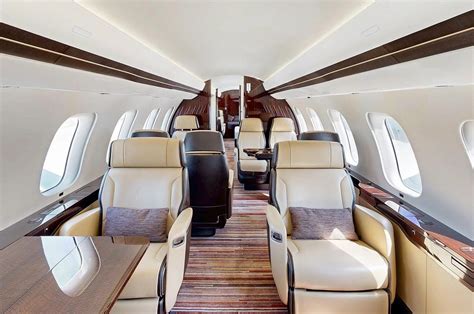
Which Private Jets Truly Support Crew Rest
Not all private jets are created equal when it comes to rest capability. Aircraft categories below large-cabin class generally lack the range and mission profile that justify onboard rest facilities. True crew rest becomes relevant only in the long-range and ultra-long-range segments.
Jets commonly equipped or optioned with rest facilities include:
- Bombardier Global series (5000 through 8000)
- Gulfstream G600, G650ER, G700, G800
- Dassault Falcon 7X and 8X
Converted airliners, such as Boeing Business Jets (BBJ) and Airbus ACJ models, go even further. These aircraft often retain or adapt commercial-style crew rest areas, sometimes with multiple bedrooms, showers, and dedicated crew galleys, blurring the line between airline infrastructure and private luxury.
How Private Jet Crew Rest Compares to Commercial Aviation
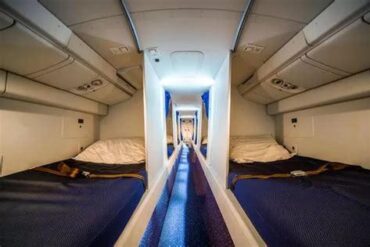
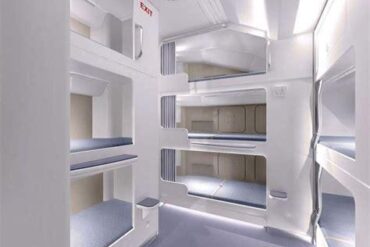
Commercial airlines treat crew rest as a regulatory requirement, resulting in standardized modules hidden above cabins or below decks. These spaces are functional, efficient, and designed for scale—often accommodating multiple crew members simultaneously.
Private jets take the opposite approach. Rest spaces are integrated into the luxury environment, prioritizing comfort and aesthetics over isolation. While they may lack the size of airline crew bunks, they compensate with premium materials, quieter cabins, and tailored climate control.
Another key difference lies in workload. Private jet cabin crew handle far more than passenger service. They often manage cabin cleaning, catering logistics, baggage loading, and even ground coordination, making effective rest essential despite fewer regulatory protections.
The Human Side of Rest in Private Aviation
Behind the polished service and seamless experience lies a demanding lifestyle. Private jet cabin crew operate on on-call schedules, sometimes with minimal notice and unpredictable itineraries. Time zone shifts, client-driven changes, and extended duty days are common.
Yet many crew members choose this path deliberately. The rewards include global travel, professional autonomy, prestige, and financial upside. Rest, in this context, becomes both a necessity and a skill—something mastered through experience, adaptability, and disciplined self-care.
The Future of Crew Rest on Private Jets
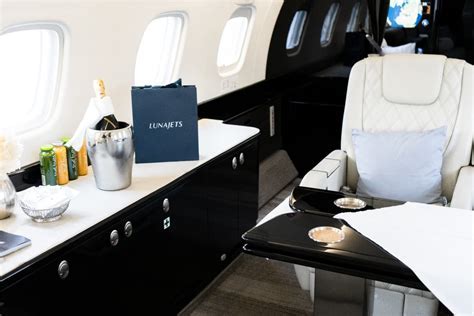
As ultra-long-range business jets push boundaries further, crew rest is evolving from optional convenience to operational necessity. Manufacturers are increasingly designing flexible cabin zones that can transition between passenger luxury and crew functionality without compromising either.
The future points toward smarter layouts, quieter cabins, and more intentional rest integration, driven not by regulation but by market demand. In private aviation, where excellence is expected at every altitude, well-rested crew are not just a safety asset—they are a defining element of the experience itself.
Ultimately, how cabin crew rest and sleep on private jets reflects the very essence of private aviation: freedom within precision, luxury balanced with responsibility, and human performance supported by thoughtful design.