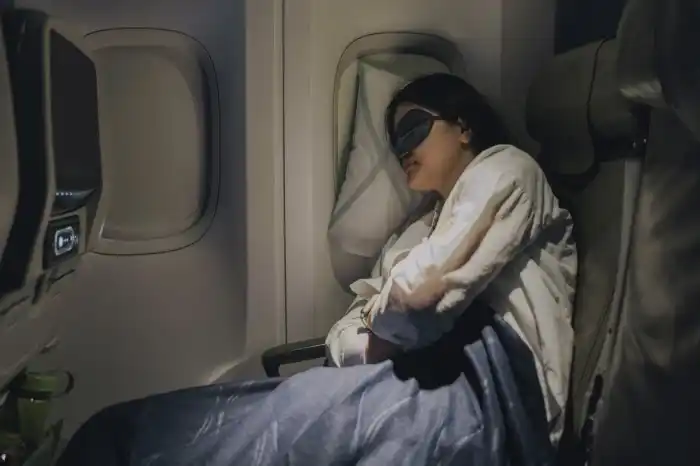
Travel has a peculiar talent for turning the simplest human function—sleep—into a competitive sport. You board a plane full of optimism, land in a city pulsing with possibility, check into a promising hotel room… and then find yourself staring at the ceiling at 3:47 a.m., calculating how little rest you can survive on. The hum of unfamiliar air conditioning feels louder than it should. The street noise doesn’t follow your home city’s rhythm. The room smells slightly different. Even the pillow seems suspicious.
The modern traveler carries a solution to most logistical headaches in their pocket, yet that same device can sabotage sleep with blue light and endless scrolling. The irony is delicious and cruel. Fortunately, the smartphone that disrupts your circadian rhythm can also help repair it. The right sleep apps can mask noise, retrain your internal clock, calm anxiety, and create an environment where your brain remembers what nighttime is for.
Below are seven apps that stand out for their ability to help you sleep better while traveling—whether you’re in a buzzing hostel, a business hotel near the airport, or a red-eye flight somewhere over the Pacific.
White Noise Lite: Turn Chaos Into a Controlled Soundscape
There’s a reason white noise machines have become nursery staples and office survival tools. Consistent background sound masks sudden, unpredictable noise—those tiny acoustic ambushes that jolt you awake just as you’re drifting off. When you’re traveling, unpredictability is the rule. Snoring in a dorm. Sirens on a new continent. Elevators that ding like they’re announcing a boxing match.
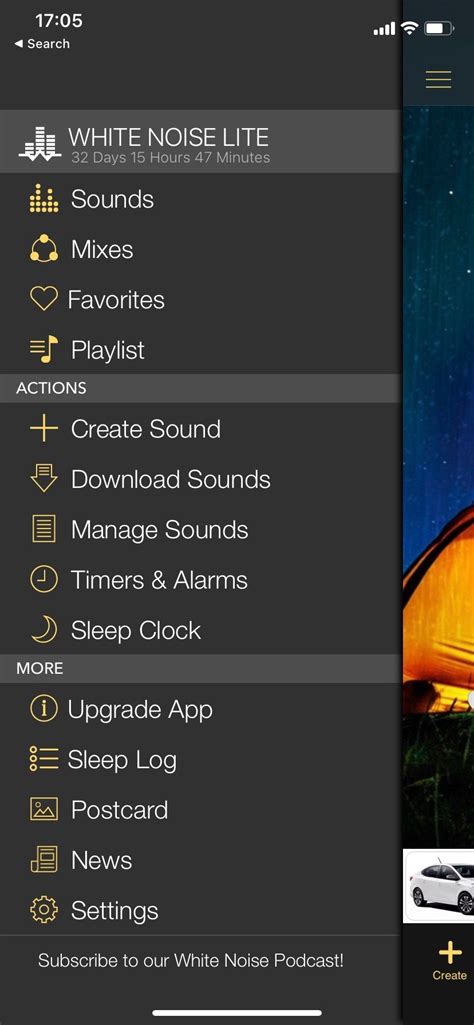
White Noise Lite transforms your phone into a portable sound shield. The app includes more than 50 preloaded sounds, from crackling campfires to steady rain, ocean surf, wind chimes, frogs, and crickets. The real power lies in customization. You can mix up to five sounds together to build your own sleep track, layering rainfall with distant thunder or combining soft wind with rustling leaves. If you don’t want to experiment, ready-made mixes are available.
The science is straightforward. White noise works by reducing the difference between background sound and sudden noise spikes. When the acoustic landscape becomes more uniform, your brain has fewer reasons to activate its alert system. In travel environments, where you can’t control who slams a door at 2 a.m., this consistency is invaluable.
The app is free on both iOS and Android, with an optional ad-free upgrade that removes distractions but doesn’t limit sound access. A companion app, White Noise Market, expands the library with thousands of user-generated recordings. For travelers who need a simple, reliable acoustic buffer, this app is a remarkably effective first line of defense.
Sleep Cycle: Wake Up in the Right Phase, Not in Panic
Jet lag doesn’t just make you tired. It makes you tired at the wrong time. Your body insists it’s mid-afternoon while the clock claims it’s dawn. Sleep Cycle addresses this by focusing not only on when you fall asleep, but how you wake up.
Using your phone’s microphone or motion detection, Sleep Cycle monitors sleep patterns and identifies lighter sleep phases. Instead of blasting an alarm at a fixed minute, it wakes you within a preselected window when you’re naturally closer to consciousness. The difference between waking from deep sleep and light sleep is profound. One feels like emerging from underwater. The other feels manageable.
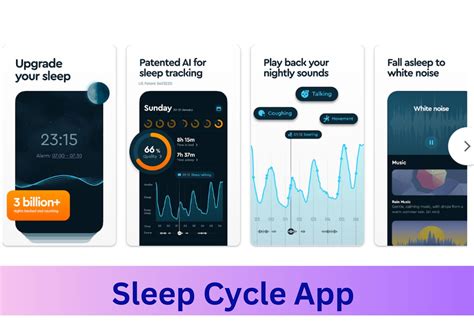
After a night’s rest, the app provides detailed analytics. You can see sleep duration, quality trends, and environmental noise disturbances. The premium version allows journaling—tracking food, exercise, and mood—so you can correlate habits with rest quality. Those late-night airport drinks might look festive in the moment but show up as red flags in your sleep data.
Over time, the app learns your rhythms. That’s why it’s wise to begin using Sleep Cycle before a major trip, allowing it to understand your baseline patterns. For frequent travelers, the accumulated data becomes a kind of personal sleep laboratory, revealing what genuinely helps and what quietly sabotages recovery.
Headspace: Quiet the Mind Before It Negotiates With You
Sleep deprivation during travel is often psychological before it is physiological. You lie down exhausted, but your brain starts replaying the day’s logistics, tomorrow’s meetings, or whether you packed the right charger. Anxiety is not loud, but it is persistent.
Headspace approaches sleep by calming the nervous system. It offers guided meditations, breathing exercises, and “Sleepcasts”—gentle, atmospheric stories set in tranquil environments. Imagine listening to a slow-moving train rolling across countryside or a desert campfire under a wide sky. The pacing is deliberately unhurried, guiding your thoughts away from planning and into narrative immersion.

Body scan meditations, a core feature, walk you through focusing on each part of your body in sequence. This technique shifts attention away from mental chatter and toward physical sensation. Neurologically, it activates the parasympathetic nervous system—the “rest and digest” mode—counteracting travel-induced stress.
For travelers prone to pre-flight nerves or 3 a.m. wake-ups, the app includes SOS sessions and wind-down routines specifically designed to interrupt spiraling thoughts. While it requires a subscription, many travelers find that its mental reset capacity extends beyond sleep into overall trip resilience.
Timeshifter: Engineer Your Circadian Rhythm Like an Astronaut
Jet lag is not mystical. It is biological misalignment. Your circadian rhythm—the internal clock regulating sleep and alertness—relies heavily on light exposure. When you cross time zones quickly, your internal schedule remains anchored to your departure city.
Timeshifter was built on NASA-backed circadian science originally designed for astronauts who face extreme light cycle disruptions. The app generates personalized plans based on your flight details, sleep habits, and chronotype—whether you naturally prefer early mornings or late nights.
Its recommendations are precise. It may instruct you to seek bright light at specific hours or avoid it entirely. It might suggest short naps or advise against caffeine during critical windows. The app even accounts for impractical timing through a Practicality Filter that adjusts guidance to your real-world schedule.
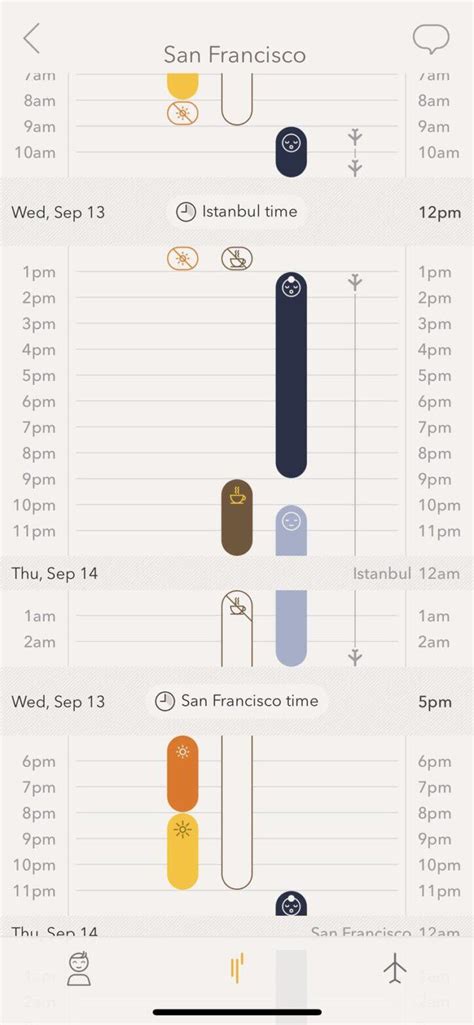
The claim that you can shift your body clock up to four times faster by following a structured plan is grounded in circadian phase-shifting research. Light is the dominant cue, but timing matters enormously. Exposure at the wrong time can delay adaptation rather than accelerate it.
For business travelers on tight turnarounds, Timeshifter offers Quick Turnaround plans. Instead of fully adapting to a new zone, you can maintain partial alignment, preserving performance without fully resetting. The first plan is free, and unlimited annual access is relatively affordable, making it a strong contender for frequent flyers.
Twilight: Control Blue Light Before It Controls You
Scrolling in bed feels harmless. Yet the blue light emitted by screens suppresses melatonin, the hormone signaling that it’s time to sleep. In evolutionary terms, blue light meant daylight. Your brain responds accordingly.
Twilight, available for Android, offers granular control over screen color temperature, intensity, and brightness. While many devices include built-in night modes, Twilight allows deeper customization. It filters not only the main display but also lock screen notifications, preventing sudden flashes that can shock you awake in a dark hotel room.
The concept is simple. Warmer light mimics sunset, encouraging melatonin production. Cooler light tells your brain to stay alert. By shifting toward red and amber tones in the evening, Twilight reduces the physiological contradiction between “I’m in bed” and “My screen says it’s noon.”
For travelers sharing rooms or navigating late-night airports, reduced brightness also minimizes disturbance to others. The free version covers essential functions, while a pro unlock adds smoother transitions and scheduling flexibility.
Atmosphere: Relaxing Sounds and the Curious Case of Binaural Beats
Some travelers swear by binaural beats. The idea is that when two slightly different frequencies are played separately into each ear, your brain perceives a third “phantom” frequency. Proponents argue that certain frequencies can encourage relaxation or sleep.
The research is ongoing. Binaural beats show potential in influencing brainwave patterns, but effects vary widely between individuals. Treat them as a promising experiment rather than a guaranteed solution.
Atmosphere: Relaxing Sounds integrates binaural and isochronic tones with customizable background environments. You can select a target state—sleep, anxiety reduction, focus—and layer it with forest ambience, rain, or urban soundscapes. The result is deeply personal. One traveler may find it transformative. Another may prefer traditional white noise.
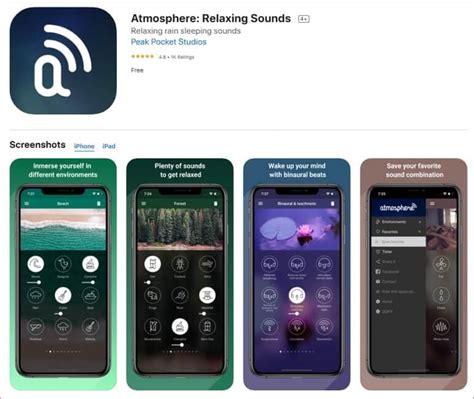
The app includes multiple categories, allowing nuanced adjustments. Headphones are essential for binaural beats to function properly, and noise-canceling models enhance immersion. With high user ratings and a generous free tier, Atmosphere invites experimentation without risk.
Insight Timer: A Vast Library for Every Sleep Personality
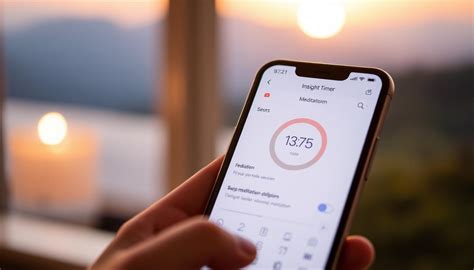
Some travelers need variety. The same rain track every night can lose effectiveness, especially across long trips. Insight Timer offers an enormous library—hundreds of thousands of guided meditations, sleep stories, ambient tracks, and specialized programs.
Unlike many subscription-heavy wellness platforms, Insight Timer provides a substantial free catalog. You can filter by length, from quick 10-minute wind-down sessions to full eight-hour overnight soundscapes. Tracks specifically address travel stress, airplane anxiety, and jet lag recovery.
The app also includes live sessions with teachers worldwide, sleep courses targeting insomnia, and yoga practices that complement nighttime routines. Premium features unlock offline downloads and expanded courses, but even the free version delivers impressive depth.
For battery-conscious travelers, Sleep Mode locks the phone after playback ends, conserving power through the night. In unfamiliar environments, that small practical detail matters.
Designing a Travel Sleep Strategy That Works
Apps are tools, not magic. Their effectiveness increases when used deliberately. Combining strategies—masking noise with White Noise Lite, dimming screens with Twilight, calming the mind with Headspace, and adjusting circadian timing through Timeshifter—creates layered support.
The key insight is that sleep disruption while traveling rarely stems from one cause. It’s environmental, psychological, and biological all at once. Addressing only one dimension often leaves the others unchecked. A holistic approach, supported by thoughtfully designed apps, restores balance more effectively.
Travel expands perspective, challenges comfort zones, and enriches experience. Rest is the hidden infrastructure that allows you to enjoy it fully. When sleep improves, destinations feel brighter, meetings feel sharper, and even long flights feel survivable.
Technology can fragment attention, but it can also restore equilibrium. In the quiet hours of an unfamiliar city, the right app may be the difference between counting ceiling tiles and waking refreshed, ready to explore.