In an era defined by rising airfare costs and increasing travel delays, modern travelers are seeking innovative ways to optimize both their budget and time. Among the most effective yet underutilized strategies is booking open jaw flights—a method that introduces not only financial efficiency but also logistical brilliance, especially on international itineraries.
Unlike traditional round-trip tickets, an open jaw flight allows travelers to fly into one city and return from another, with the traveler covering the in-between segment independently. For example, one might fly from New York to Rome, travel overland to Paris, and then return to New York from there. This gap between cities—Rome to Paris in this case—is not included in the airfare and gives the traveler complete freedom to explore the region without backtracking.
This flexibility is particularly appealing for trips across Europe, Asia, or South America, where efficient rail and bus networks make intra-regional travel convenient and economical.
What Exactly Are Open Jaw Flights?
The term open jaw refers to an airline itinerary where:
- The traveler flies from City A to City B, then
- Returns from City C to City A.
The segment between City B and City C is left ‘open’—the traveler is responsible for bridging this gap via a separate mode of transportation such as a train, rental car, or local airline.
This is not to be confused with a multi-city flight, which includes all legs booked under a single airfare. Open jaw flights, in contrast, are minimalist: they offer the start and end, leaving the middle to traveler discretion.
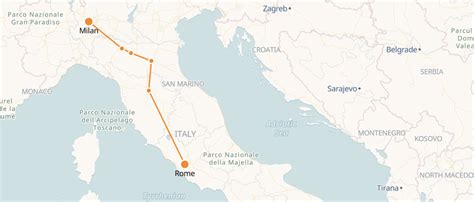
This approach is especially beneficial when visiting countries like Italy, where you might fly into Milan, explore the countryside by train, and then depart from Rome, skipping the need to loop back.
Why Open Jaw Flights Save Money and Time
Perhaps the most compelling reason to choose open jaw flights is their cost-saving potential. Booking two one-way international flights is often more expensive than a well-planned open jaw itinerary. According to industry experts at Going, an airfare deal tracker, open jaw flights frequently undercut traditional round-trip prices.
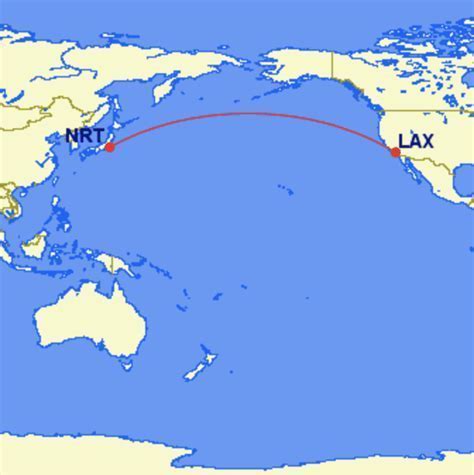
For example, flying from Los Angeles to Tokyo, then returning from Osaka to Los Angeles, often results in significant savings. It eliminates the cost—and time—of returning to Tokyo just to catch a flight home.
Travel expert Katy Nastro notes, “While researching a trip over to Europe for this summer, I saved over a hundred dollars by flying out of Dublin instead of London (where I’m flying into). Now, instead of rushing back to London, I can explore a bit of Dublin before heading home, offering another city to my itinerary without additional cost.”
Moreover, open jaw bookings allow for creative route planning. Imagine starting your journey in Bangkok, taking a scenic train journey through Northern Thailand, and flying back home from Chiang Mai. Not only is this logistically efficient, but it provides access to more culturally diverse experiences in one trip.
Travelers also benefit from:
- Avoiding redundant travel (no need to backtrack)
- Maximizing exploration time
- Utilizing local transport networks

How to Book Open Jaw Flights Online
Most major travel search engines—like Google Flights, Skyscanner, Kayak, and Expedia—support open jaw bookings through their multi-city or multi-leg search functions.
To book an open jaw flight:
- Select the “Multi-city” option instead of round-trip.
- Input your departure city and first destination (e.g., LAX → Tokyo).
- Then, input your return leg from another city back to the original city (e.g., Osaka → LAX).
From there, browse available combinations. It’s crucial to be flexible with travel dates, as mid-week flights tend to be cheaper. Also, experiment with different city pairings. Sometimes flying into a major hub and out of a regional airport can yield dramatic price differences.
For instance, flying from JFK to Reykjavik and returning from Oslo to New York Stewart Airport (SWF) can sometimes cost less than a traditional round-trip through JFK.
Maximizing Open Jaw Itineraries in Popular Destinations
Europe
Europe’s dense infrastructure and extensive rail networks make it a dream for open jaw travel. A classic itinerary might include:
- Flying into Madrid, traveling by train through Barcelona, and flying out of Nice.
- Arriving in Amsterdam, cycling across the Netherlands, and departing from Brussels.
With the Eurail Pass or budget airlines like Ryanair and easyJet, these transitions are both affordable and scenic.
Japan
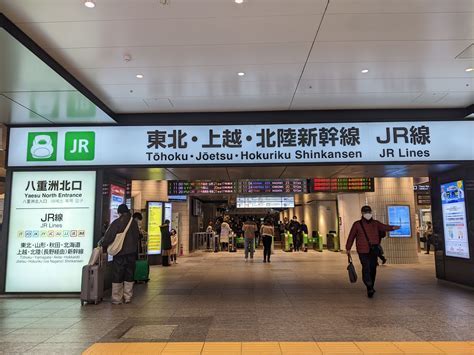
Japan’s Shinkansen (bullet train) enables efficient domestic travel. You could land in Tokyo, explore Kyoto and Nara, and return from Osaka, all without duplicating travel paths. The Japan Rail Pass further enhances the value of this itinerary.
Southeast Asia
For those venturing into Thailand, Vietnam, or Malaysia, open jaw flights offer perfect flexibility. Consider starting in Bangkok, exploring the north by rail or sleeper bus, and departing from Chiang Rai or Phuket.
Local carriers such as AirAsia and Scoot also make internal flights convenient and budget-friendly.
United States
Domestic open jaw routes within the U.S. are ideal for road trips. Fly into San Francisco, drive down the Pacific Coast Highway, and fly back from Los Angeles. Or begin in Miami, travel through the Keys, and return from Tampa.

Avoiding Common Booking Pitfalls
While open jaw flights are relatively easy to manage, they require attention to timing and logistics:
- Leave enough buffer time between arriving in one city and departing from another.
- Research visa requirements, especially if crossing international borders overland.
- Coordinate baggage allowances if using different carriers for various legs.
- Consider travel insurance, especially for the middle, unbooked leg, which is usually not covered by airline policies.
Being proactive in these areas ensures a smooth, stress-free experience across all touchpoints.
When Not to Use Open Jaw Flights
Open jaw travel isn’t ideal for every trip. If your destination has limited connectivity or few options for overland travel, backtracking may actually be more efficient. Additionally, if flight schedules are rigid or you’re traveling with a large group on tight timelines, a standard round-trip might better suit your needs.
However, for the flexible traveler prioritizing exploration, efficiency, and economy, open jaw flights often present a superior option.

Final Thoughts: Unlocking the World One Jaw at a Time
Open jaw flights are more than a clever travel hack—they’re a strategic tool for maximizing experience while minimizing redundancy. In a world where every moment abroad matters and every dollar counts, this approach allows travelers to design smarter, richer, and more immersive journeys.
By understanding how to book and utilize open jaw itineraries, savvy adventurers can uncover multiple destinations in one trip—without circling back. Whether you’re walking the canals of Amsterdam, navigating the temples of Kyoto, or watching the northern lights in Reykjavik, open jaw flights ensure you see more, spend less, and return home with a fuller passport—and memory bank.