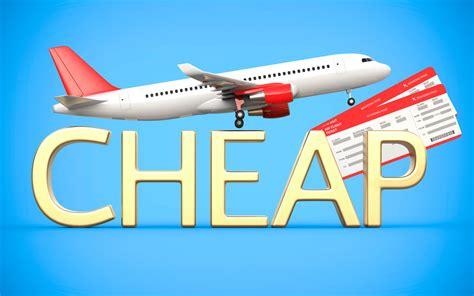
Flying within Europe has never been more affordable or more accessible. The rise of budget airlines has reshaped travel across the continent, allowing travelers to leapfrog across countries in mere hours and often for less than the cost of a dinner out. However, this revolution comes with its quirks, hidden costs, and strategies that must be understood to truly benefit. Budget flying within Europe is not just a mode of transport — it’s an entire travel philosophy.
The Rise of Low-Cost Airlines in Europe
The 1990s deregulation of European airspace unleashed a fleet of low-cost carriers that disrupted traditional models of travel. Airlines like Ryanair and EasyJet capitalized on this new environment, expanding rapidly with a no-frills, high-frequency business model that cut overhead and passed savings to customers. Today, a traveler can hop between London and Budapest, Rome and Paris, or Oslo and Barcelona for under $50, sometimes even less.
The essential tactic: book early. Low-cost airlines release seats at rock-bottom prices that increase steadily as the flight date approaches. These deeply discounted fares vanish quickly, snapped up by early birds who know how the system works.

Understanding the Real Cost of a Cheap Ticket
A fare that looks too good to be true often is — until you factor in the fine print. Budget airlines operate on razor-thin profit margins, which means the base fare typically includes only the seat and the flight itself. Everything else comes at a cost.
Expect to pay extra for:
- Checked baggage, and often even carry-ons beyond a small personal item.
- Seat selection, especially for seats near the front or with extra legroom.
- Priority boarding, useful when overhead bin space is scarce.
- Onboard food and drinks, which are never complimentary.
Many travelers end up paying more in fees than the flight itself. That’s why it’s crucial to pre-pay for baggage and extras at the time of booking — last-minute airport prices can double or even triple.
Navigating Obscure Airports and Creative Routing
One of the major caveats of budget flying in Europe is the use of secondary airports. A “London” flight may land at Stansted, over 60 kilometers from the city center. A “Frankfurt” flight could touch down in Hahn, 75 miles away. These remote airstrips are chosen for their lower fees and less congestion, but they add complexity to your journey.
The solution? Do your research. Look up airport codes, transit connections, and the true cost of getting from the airport to the city. Often, the savings still justify the inconvenience, especially for those with flexible itineraries.
Budget flying also rewards those willing to get creative. If there’s no cheap flight to Florence, look for Pisa or Bologna. Can’t afford a direct route to Vienna? Fly to Bratislava and take a train. Flexibility with both destination and nearby airports can slash costs and add an extra layer of adventure.
Top Budget Airlines and Their Hubs
Budget airlines often operate around hubs where they base aircraft and staff. This means more frequent departures and better deals from certain cities. Understanding these hubs helps identify the best options quickly.
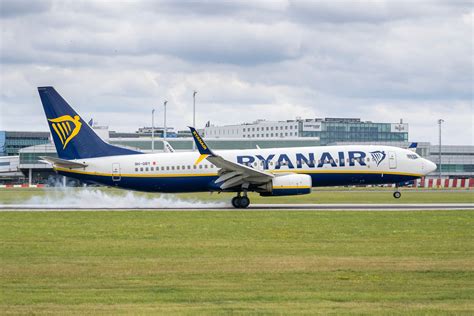
- Ryanair: London Stansted, Dublin, Milan Bergamo
- EasyJet: London Gatwick, Berlin, Milan, Paris
- Wizz Air: Budapest, Warsaw, Bucharest
- Norwegian: Oslo, London Gatwick
- Transavia: Amsterdam, Rotterdam
- Vueling: Barcelona, Rome
- Eurowings: Cologne, Düsseldorf
Choosing flights from or to these hubs can significantly lower your travel costs. Apps like Skyscanner and Kiwi make it easy to filter by hub cities or explore all routes from a specific airport.
Smart Booking Strategies
To unlock the best deals, savvy travelers rely on a few trusted tools:
- Skyscanner: Ideal for comparing both budget and traditional carriers. Use the “Everywhere” destination feature to find the cheapest destinations from your location.
- Momondo: Its visual price calendar shows which days have the lowest fares. Excellent for flexible travel planning.
- Kiwi: Great for booking multi-leg itineraries, including combinations of budget flights and ground transportation.
- Kayak: Provides comprehensive options and is particularly useful when also considering hotels and packages.
When using these platforms, always double-check the airport codes, especially in cities with multiple airports. Also, be cautious of point-to-point routing. Many budget airlines do not interline baggage or guarantee connections — a missed flight means buying a new ticket.

Environmental Considerations and Alternatives
While budget flying makes Europe accessible, it comes with an environmental cost. Short-haul flights are notoriously carbon-intensive. Whenever possible, consider high-speed trains, especially on routes like Paris–Amsterdam or Berlin–Prague. Not only are trains often faster (when you factor in airport logistics), but they’re also more comfortable and scenic.
Rail travel is also more forgiving: there’s no baggage fee, security is minimal, and you can show up 10–15 minutes before departure. If sustainability is a priority, blending budget flights with overland travel can offer a more balanced experience.
Hidden Pitfalls: Avoiding Common Mistakes
Budget flying can be stressful for the unprepared. Here’s what trips up first-timers:
- Strict timing: Budget airlines are notoriously punctual — and unforgiving. If you miss the check-in deadline by even 5 minutes, you’re out.
- Customer service: Many budget carriers have limited support. They expect you to self-manage everything online.
- Surprise cancellations: If a route underperforms, some airlines will cancel it with little notice. Always have a Plan B.
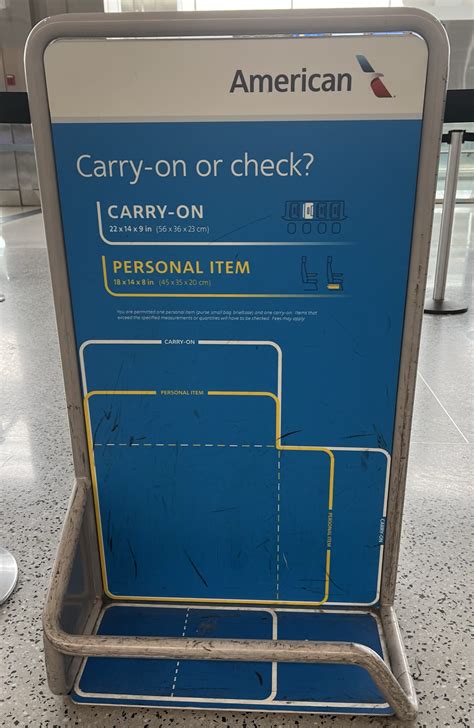
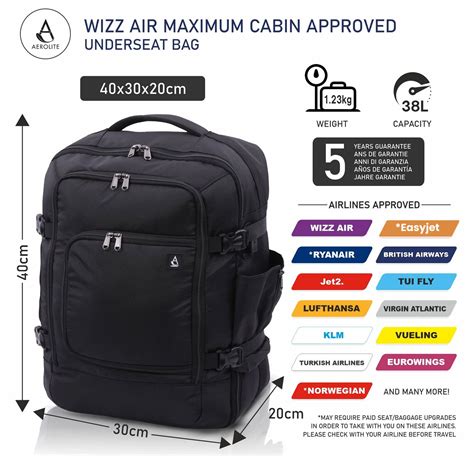
- Small carry-on allowances: Read the airline’s baggage policy in kilograms and centimeters. European standards are smaller than U.S. airlines, and gate agents strictly enforce them.
The key is preparation. Download the airline’s app, check in online early, and print boarding passes if required. Don’t assume anything is included — it probably isn’t.
Maximizing Value Through Flexibility
Travelers who embrace the quirks of budget flying can often visit more places, more often, for less. Flexibility in dates, destinations, and expectations is the key. Book open-jaw itineraries (arriving in one city and departing from another), use nearby airports, and schedule longer layovers to see bonus cities along the way.
Europe’s compact geography makes all this feasible. In a single trip, you could fly from London to Kraków for $20, take a train to Prague, and catch a $30 flight to Barcelona — for less than what a single intercontinental flight might cost.
Budget flying is not just about saving money. It’s about unlocking new travel possibilities through strategy and awareness. It’s about being willing to land in Hahn instead of Frankfurt, eat before boarding, carry only a backpack, and smile at the thrill of seeing four countries in ten days.
Final Thoughts
The world of budget flying within Europe is a dance between freedom and restriction, savings and surcharges. When approached with knowledge and patience, it can offer an unbeatable combination of speed, affordability, and access to nearly every corner of the continent. Just remember: the price you see isn’t the price you pay — but with careful planning, it can still be an incredible bargain.