The budget airline market in the US is broadly split into two categories: Low-Cost Carriers (LCCs) and Ultra-Low-Cost Carriers (ULCCs). LCCs like Southwest Airlines and JetBlue Airways are known for reducing overhead costs while preserving a degree of comfort and service that appeals to mainstream travelers. These airlines often offer complimentary snacks, entertainment, and more generous baggage policies.
Conversely, ULCCs such as Spirit Airlines and Frontier Airlines take cost-cutting to an extreme. Expect no-frills service, tighter seating, and an array of ancillary fees that can quickly erode initial savings. Understanding these distinctions is critical to avoiding unpleasant surprises.
Southwest Airlines: The Gold Standard of Budget Flying
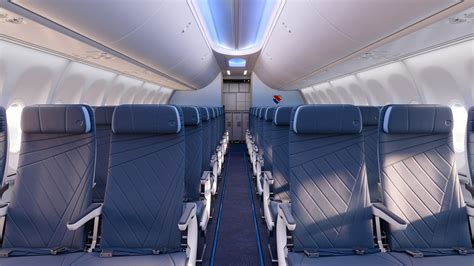
With over 50 years of operation, Southwest Airlines stands as a paragon of budget-friendly air travel. Serving 117 destinations, Southwest distinguishes itself through its free baggage policy—allowing passengers to bring a carry-on, a personal item, and two checked bags at no extra charge. Seats offer a comfortable 31–33 inches of pitch, and passengers enjoy free snacks, beverages, and streaming entertainment.
Southwest’s hallmark feature is its flexibility: there are no fees for flight changes or cancellations, and fares remain exclusive to its official website. While its open seating system may deter some, many find its transparent fee structure and reliability a winning combination.
JetBlue Airways: Comfort with a Budget Twist
JetBlue Airways is another standout in the LCC category, offering routes to approximately 100 US cities and select international destinations. Known for its 32–34 inches of seat pitch, JetBlue provides free Wi-Fi, seat-back entertainment, and complimentary snacks and beverages. Passengers can bring a personal item and a carry-on free of charge, although checked bags start at $35.
JetBlue’s various fare classes—Mint, Blue, and Blue Basic—cater to a range of travelers. While Blue Basic imposes certain restrictions, such as advance seat fees and boarding limitations, JetBlue’s commitment to comfort and digital amenities keeps it a top choice for budget-conscious fliers who don’t want to skimp on experience.
Avelo Airlines: Newcomer with Essential Savings
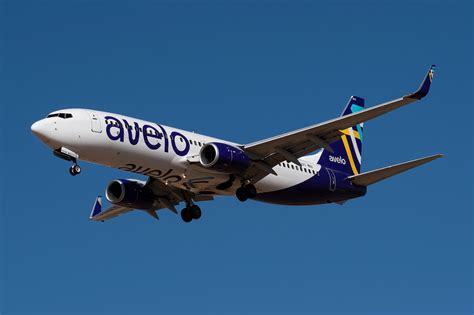
Launched in 2021, Avelo Airlines is a fresh face in the budget scene, operating primarily from Burbank and New Haven to 52 destinations. The fleet of 21 planes is modest, but its point-to-point service model helps cut costs. Avelo’s pitch is a spartan 29 inches, and there’s no in-flight service or entertainment—but its affordability shines through, with checked bags starting at $20 and carry-ons from $25.
Passengers can change flights without fees up to 15 minutes before departure, adding a layer of flexibility rare among ULCCs. However, Avelo’s limited flight schedule and risk of cascading delays mean it’s best for travelers with flexible plans.
Breeze Airways: Tiered Budget Luxury
Another 2021 entrant, Breeze Airways operates a 14-plane fleet, focusing on smaller regional airports. Its fare structure—Nice, Nicer, Nicest—lets travelers customize their budget flying experience. Even the Nice fare provides a 32-inch seat pitch, while Nicest offers first-class seating and multiple checked bags.
Although Breeze lacks in-flight entertainment and serves only water in its base tier, it offers free flight changes up to 15 minutes before departure, enhancing its appeal. The airline’s ambition is clear, with 80 additional aircraft on order, positioning it as a future heavyweight in the budget space.
Budget Airlines to Approach with Caution
While the above airlines strike a balance between affordability and passenger satisfaction, others lean heavily on the “budget” aspect, often to the detriment of comfort and transparency.
Spirit Airlines: Fees Galore
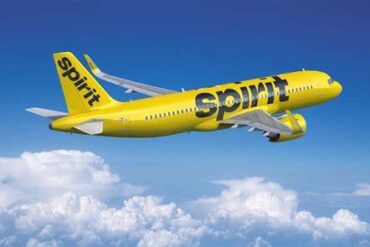
Spirit Airlines epitomizes the ULCC model, often boasting rock-bottom fares. However, passengers should brace for 28-inch seat pitch, no complimentary entertainment, and a complex web of fees—carry-ons from $33, checked bags from $28, and premium seating like the “Big Front Seat” at a steep price. Spirit’s barebones service and rigid fee structures can lead to frustration if you don’t read the fine print.
Frontier Airlines: No-Frills Flying
Similarly, Frontier Airlines offers over 110 destinations but skimps on comfort with a 28-inch seat pitch and no included entertainment. Baggage fees climb steeply—carry-ons from $54 and checked bags from $49—turning initially cheap flights into costly ventures. Frontier remains a fit for those prioritizing price above all else, but travelers must factor in the true cost before booking.
Sun Country Airlines and Allegiant Air: Niche Yet Limited
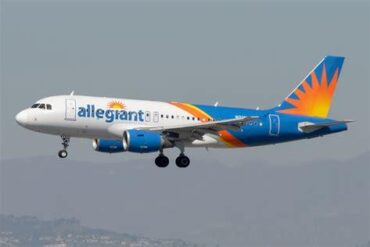
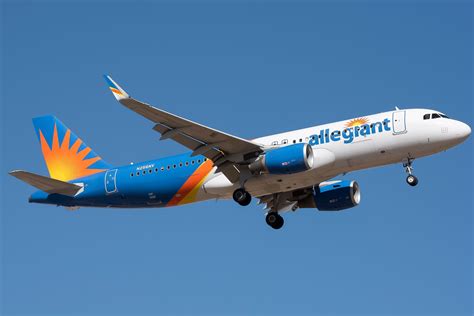
Sun Country Airlines, with 30 planes covering 54 destinations, and Allegiant Air, serving 130 destinations mostly via secondary airports, cater to niche markets but offer limited schedules and amenities. Both airlines feature basic service, minimal pitch (29–30 inches), and a la carte pricing models. Allegiant’s strategy of flying from less convenient airports often results in hidden costs and longer overall travel times.
Final Thoughts: Balancing Price and Comfort
The US budget airline market offers a broad spectrum of choices, each with distinct trade-offs. Airlines like Southwest and JetBlue exemplify how cost-conscious travel doesn’t have to sacrifice comfort and reliability. Newer entrants like Avelo and Breeze provide intriguing, if less predictable, alternatives for travelers willing to trade perks for price.
Meanwhile, ULCCs like Spirit, Frontier, Sun Country, and Allegiant fulfill their promise of low fares—but often at the expense of passenger comfort and convenience. The key to a successful budget flight lies in understanding each airline’s specific model and planning accordingly. For savvy travelers, the right balance of price, amenities, and flexibility ensures that budget air travel remains not only affordable but also enjoyable.
FAQs
What is the main difference between LCCs and ULCCs?
LCCs aim to reduce overhead while offering a reasonable flying experience with some included perks. ULCCs cut costs to the bone, often removing basic amenities and charging fees for nearly everything beyond a seat on the plane.
Which budget airline offers the best baggage policy?
Southwest Airlines is unrivaled in this area, offering two free checked bags along with a carry-on and personal item on every ticket.
Are budget airlines safe?
Yes, all US airlines must meet strict FAA safety standards regardless of their cost model. Budget airlines economize on services and amenities, not safety.