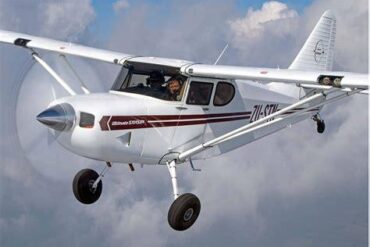
Before diving into specific aircraft, it’s vital to realign expectations. The term “LSA” encompasses a wide range of aircraft types, from traditional fixed-wing models to weight-shift trikes, powered parachutes, and ultralight-type machines. For under $20,000, conventional LSAs like the Evektor SportStar or Tecnam P92 are generally out of reach unless heavily used or damaged. Instead, viable options include older experimental or ultralight-class LSAs, which can still fulfill basic flight goals if chosen wisely.
The RANS S-12 Airaile: A Standout in Affordable Flight
The RANS S-12 is one of the most frequently mentioned aircraft for budget-conscious pilots. Developed in the 1980s, this tandem-seat, high-wing pusher features a tube-and-fabric construction and is typically powered by a Rotax 503 or 582 two-stroke engine. Units in flyable condition often sell between $12,000 and $18,000.
What makes the RANS S-12 so appealing is its simplicity, availability of parts, and large builder community. While it lacks the modern avionics and creature comforts of newer LSAs, it delivers a reliable, low-speed flight experience that’s ideal for short hops and backcountry exploration. Mechanically inclined owners can maintain the aircraft themselves, especially when registered as Experimental-Amateur Built (E-AB) or Experimental-LSA (E-LSA).
Aeros Weight-Shift Trikes: Efficiency in the Air and on the Wallet
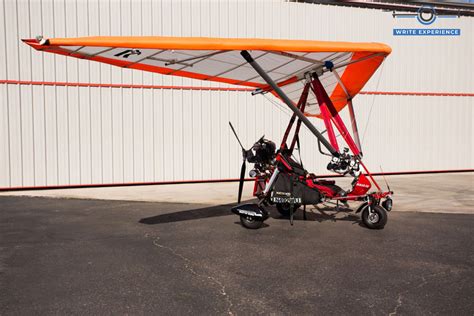
Another viable choice under $20,000 is the Aeros Trike, especially models such as the Aeros ANT or Aeros 2-seater Delta Jet. Trikes offer the thrill of open cockpit flying with very low maintenance overhead, thanks to their minimalistic design. Most units are powered by 2-stroke Rotax engines, which require basic mechanical knowledge for regular upkeep.
While trikes are slower than three-axis aircraft and less suited for long cross-country flights, they excel in affordability, portability, and simplicity. With folding wings, they can be stored in smaller hangars or even transported by trailer.
Quad City Challenger: Utility in a Kit-Built Frame
The Quad City Challenger II is a long-time favorite in the affordable LSA segment. It is a high-wing, pusher-configured aircraft, usually built from kits, and also runs on Rotax 2-stroke engines. Typical cruise speeds hover around 80–85 MPH, with a range exceeding 200 miles depending on configuration.
These aircraft are frequently listed between $9,500 and $20,000, depending on build quality, engine hours, and avionics. While not a speed demon or long-range hauler, the Challenger II is rugged and adaptable, capable of soft-field operation and light cross-country flying. Maintenance is straightforward, with many owners handling repairs themselves under an E-AB classification.
Choosing Between S-LSA and E-LSA: Cost Implications
One of the most strategic decisions in this price range is converting or purchasing an aircraft registered as Experimental Light Sport Aircraft (E-LSA) rather than Special Light Sport Aircraft (S-LSA). While S-LSAs require maintenance and inspections by licensed Light Sport Repairmen or A&Ps, E-LSAs allow owners to perform most maintenance themselves—a key cost-saving advantage.
Moreover, builders or buyers who obtain a Repairman Certificate for an E-LSA can perform annual condition inspections, saving hundreds or even thousands annually. Transitioning an S-LSA to E-LSA is possible under FAA rules, though the aircraft may lose rental eligibility and must not be used for compensation.
The Reality of Two-Stroke Engines: Maintenance and Trade-Offs
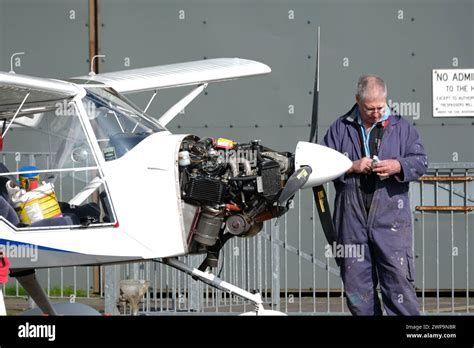
Most aircraft within this budget are powered by Rotax 447, 503, or 582 two-stroke engines. These engines are lightweight, simple, and widely supported—but they come with maintenance quirks. Two-strokes require frequent top-end rebuilds, precise fuel-oil mixture management, and diligent inspections to avoid reliability issues.
However, for pilots with some mechanical aptitude, two-strokes present a manageable learning curve. Parts are generally affordable, and the community support for these engines is vast. For those who prefer four-stroke reliability, it’s possible to find older aircraft converted to Rotax 912 engines, but these usually command prices above $25,000.
Is Cross-Country Flight Realistic in Budget LSAs?
Yes, but with caveats. A $15,000–$20,000 LSA will not cruise at 120 knots or carry 500 pounds of payload. However, realistic cross-country flights of 100–250 nautical miles are absolutely possible, especially with aircraft like the Challenger II or RANS S-12, assuming favorable weather and modest baggage.
Pilots have completed multi-state journeys in these aircraft, including Seattle to North Carolina trips in older Evektor SportStars. The key is patient planning, awareness of terrain and fuel stops, and accepting lower cruise speeds.

Honorable Mentions: Other Aircraft to Consider
While the RANS S-12, Aeros Trike, and Challenger II dominate the sub-$20k bracket, several other contenders are worth noting:
- Kolb Firestar II: Lightweight and agile, with folding wings. Typically powered by 2-stroke Rotax engines.
- X-Air LS: A French-designed, kit-built aircraft resembling the RANS Coyote. Offers good parts support and handling.
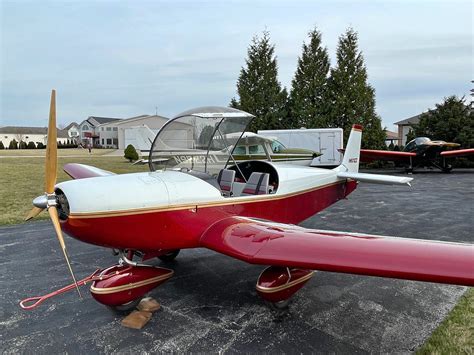
- Ercoupe 415-C/D (LSA-qualified): If lucky, one might find a heavily used or damaged example in the $20k range. All-metal construction, no rudder pedals, and great flight characteristics.
These aircraft may require travel, inspections, and patience, but they represent real value when well-maintained.
Tips for Buying Smart and Flying Safe
Buying a low-cost LSA isn’t about picking the cheapest plane on the market. It’s about finding the right balance between purchase cost, maintainability, flight mission, and support community. Here are essential strategies:
- Hire a knowledgeable LSA mechanic for pre-buy inspections.
- Study builder forums and communities on platforms like HomebuiltAirplanes or Facebook groups.
- Use Barnstormers, Trade-A-Plane, and even Craigslist to find hidden gems.
- Get your Light Sport Repairman – Maintenance certificate if eligible.
- Accept compromises on speed, range, and creature comforts.
A well-researched decision can turn a $15,000 airframe into years of affordable, rewarding flight.
Final Thoughts: Defining Your Flight Mission First
Ultimately, the search for the cheapest LSA to purchase and maintain depends entirely on what you want to do in the air. If your mission involves relaxed evening hops, some light cross-country flying, or taking a friend up for a scenic flight, there are viable aircraft under $20,000 that can serve you well. However, if you seek high-speed cross-country capabilities with passenger baggage and full instrumentation, it may be wiser to rent or stretch your budget.
Owning a Light Sport Aircraft doesn’t have to mean spending a fortune. With the right knowledge and realistic expectations, the sky remains within reach—even on a budget.