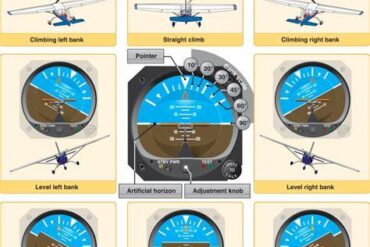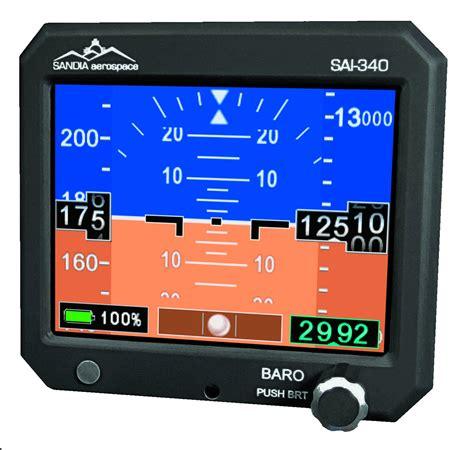
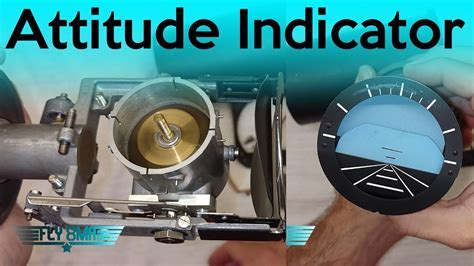
When it comes to upgrading or replacing an electronic Attitude Indicator (AI) in a certified aircraft, cost becomes a critical concern. Pilots and aircraft owners often face the dilemma of choosing between overhauling an old electric AI or investing in a newer, solid-state option. With budget constraints, particularly between $1,000 and $2,000, making the right decision is paramount.
Understanding the Current Landscape of Electronic AIs
The aviation industry is continuously evolving, but certified avionics remain notoriously expensive. Most affordable solutions, like the Garmin G5, can easily cross the $5,000 threshold, making them impractical for many flying clubs and individual owners. Meanwhile, the overhaul of an existing electric AI typically costs around $800 to $1,000, offering a budget-friendly alternative.
Pros and Cons of Overhauling Existing Electric AIs
Overhauling is a financially sensible route. Certified repairs ensure reliability and maintain compliance with FAA regulations. The primary advantages include:
- Lower immediate costs compared to installing new units
- Retention of existing panel layout and avionics wiring
- Minimal labor charges since it involves straightforward replacement
However, overhauling an older mechanical AI doesn’t introduce the reliability of modern solid-state gyros. These newer systems offer better shock resistance, no precession, and reduced maintenance needs.
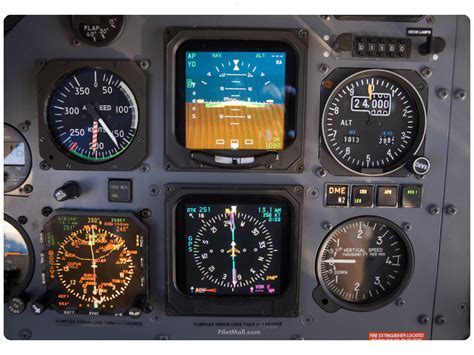
Exploring Modern Alternatives: Pocket Panel and AV-20/AV-30
For pilots not strictly bound by TSO (Technical Standard Order) requirements, portable solutions like the Dynon Avionics Pocket Panel present an intriguing option. This GPS-based device provides attitude and speed approximations without installation, circumventing FAA regulations on permanent avionics. Though not a full replacement for IFR-certified AIs, it serves excellently as a backup attitude reference for VFR flights.
The uAvionix AV-20 and AV-30 represent the next tier of semi-affordable electronic AIs. Retailing around $500 to $600 for the AV-20 and higher for the AV-30, they offer:
- Solid-state gyro attitude indication
- G-meter, clock, and angle-of-attack capabilities
- Minimal panel modifications, with the AV-20 even fitting into a clock hole
However, it’s critical to note that the AV-20 is not IFR-certified as a primary instrument, limiting its use to backup roles under VFR conditions.
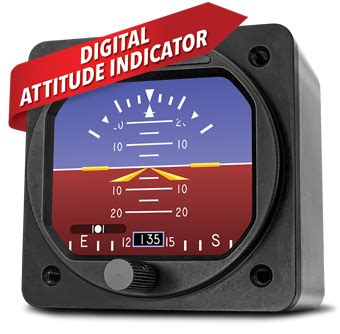
Installation Challenges and Hidden Costs
A key misconception among aircraft owners is underestimating installation costs. Swapping a failed mechanical AI for a digital one like the AV-30 is not a “plug and play” operation. It often requires:
- Extensive rewiring
- Installation of remote magnetometers
- Calibration and possible pitot-static system integration
These labor-intensive tasks quickly drive up costs, sometimes making an AV-30 installation approach the price of a G5 system.
Used Units: A Viable, Risky Option
Another alternative is sourcing a used electric AI from owners upgrading to full glass panels. Units pulled from service are often affordable but come with no warranties. The risk of latent failures and additional maintenance must be weighed against the lower purchase price.
The True Costs of “Cheaper” Upgrades
Considering that installation, certification paperwork, and potential avionics shop minimums add significant expense, spending $1,000 to $2,000 on a brand-new, installed solid-state AI remains unrealistic. At best, pilots can expect:
- Overhaul of existing AI ($800-$1,000)
- Purchase of AV-20 ($500-$600, plus minimal installation)
- Acquisition of a used electric AI (prices vary widely, $300-$800)
Ultimately, pilots must weigh immediate savings against long-term reliability and functionality. An overhauled mechanical AI, while not modern, will keep the aircraft compliant and airworthy with the least financial pain.
Should You Repair or Replace Your Attitude Indicator?
If the aircraft operates primarily under VFR conditions, and budget is the driving factor, overhauling the existing electric AI is almost always the wisest decision. If supplemental situational awareness is desired without regulatory compliance, portable options like the Pocket Panel or uAvionix AV-20 can fill the gap affordably.
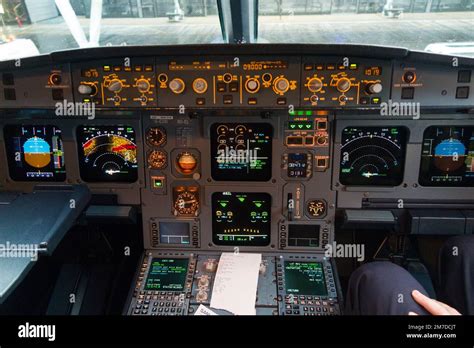
On the other hand, pilots planning for future IFR upgrades should consider saving toward full-certified units like the Garmin GI-275 or modern glass cockpits, understanding that the investment will be substantial.
Conclusion: Making the Best Choice for Your Budget
The quest for the cheapest electronic Attitude Indicator reveals a stark reality: in certified aviation, true bargains are rare. For those limited to $1,000 to $2,000, the most feasible strategy is to overhaul the existing electric AI, supplemented by a portable or non-certified backup device if additional reassurance is needed.
Understanding the intricacies of installation, certification, and hidden labor costs is essential to avoid unexpected financial strain. In the world of aircraft avionics, sometimes “cheapest” means smartly maintaining what you have, rather than chasing the allure of newer — and often significantly more expensive — technology.