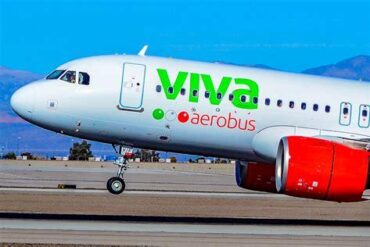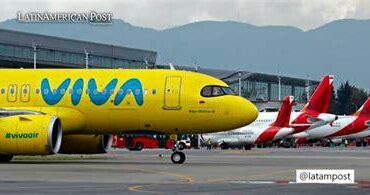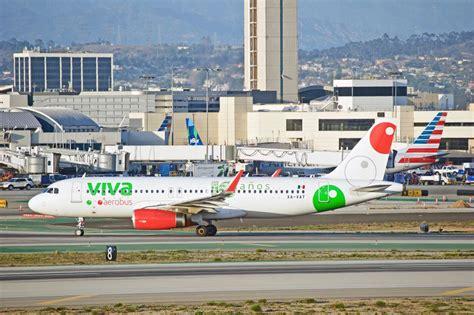
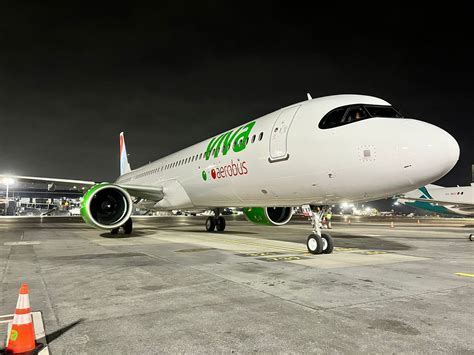
Viva Aerobus, a Mexican low-cost airline headquartered at Monterrey International Airport, has carved out a significant presence in the ultra-budget travel segment across Mexico and the United States. Marketed as an affordable alternative to legacy carriers, its aggressive pricing structure appeals primarily to price-conscious travelers. However, the low fares often come with severe trade-offs in customer experience, logistical reliability, and support services. With over 5,000 reviews and an overall 2.0-star rating on Tripadvisor, Viva Aerobus occupies a polarizing space between affordability and frustration.
Passenger Experience: A Ride Through the Customer Reviews
A thorough evaluation of traveler feedback reveals a turbulent pattern of inconsistent service, opaque policies, and an overall lack of accountability. Passengers frequently express dissatisfaction with aspects ranging from check-in protocols to in-flight treatment.
A particularly detailed review from a traveler flying Tijuana to Bogotá captures the airline’s systemic issues. Despite holding the most expensive fare class (Flex), the passenger encountered confusing immigration protocols, disjointed connection handling, and nonexistent English-speaking support. His journey was further marred by lost luggage, forced out-of-pocket rerouting with another airline, and an inflexible, non-responsive customer service team. This narrative, echoed in dozens of other reviews, highlights a core problem: service reliability and accountability appear severely lacking, especially during disruptions.
Flight Delays and Boarding Woes: Common Operational Pitfalls
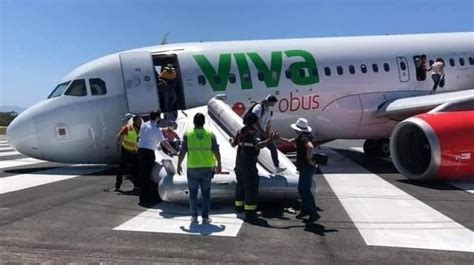
One of the most frequently reported problems involves frequent delays and chaotic boarding procedures. Passengers who paid extra for priority boarding regularly report being boarded last or left waiting without updates. Some airports where Viva Aerobus operates lack dedicated gates, forcing passengers to walk across airport tarmacs with minimal guidance or communication. This combination of infrastructure limitations and poor logistical coordination contributes heavily to the airline’s reputation for disorder and confusion.
A passenger departing from Los Cabos to Tijuana described a scene where he paid an additional $100 for priority services only to face hours of delay, missing ground staff, and an embarrassing lack of communication. He ultimately labeled the experience as “miserable” and the airline as “utterly incompetent.”
Baggage Mishandling and Recovery: A Persistent Source of Anguish
Lost or delayed luggage is another recurring grievance, particularly on international routes. Numerous reviews recount how Viva Aerobus either failed to track or outright denied responsibility for missing baggage. The lack of a clear escalation or resolution process, compounded by language barriers and non-functioning helplines, leaves passengers frustrated and powerless.
On the Chicago to Guadalajara route, one customer reported that none of the ground agents were able to assist in recovering three lost bags due to confusion over baggage tag assignments. Rather than helping, staff allegedly “threw their hands in the air” and declared there was “nothing we can do.”
Customer Service Deficiencies: A Language and Accessibility Barrier
Viva Aerobus operates almost exclusively in Spanish, even on U.S.-based service lines, effectively locking out English-speaking passengers from receiving timely assistance. This presents a serious accessibility issue for a carrier serving international routes. Several travelers have recounted stories of navigating confusing phone menus, being disconnected repeatedly, and waiting up to 72 hours for email replies. Others noted that the only way to escalate an issue was to pay for an additional service tier — essentially a paywall for support.
For example, the same traveler flying to Bogotá mentioned being unable to change his flight using the Flex option — a premium perk — due to the app malfunctioning and the absence of responsive English-speaking agents. Eventually, his flight passed unused, and he was forced to book a new one at his own expense.
Cleanliness, Comfort, and In-Flight Experience: Minimalism Redefined
While many passengers accept the no-frills approach of budget airlines, there’s still an expectation for basic hygiene, seat comfort, and operational transparency. Unfortunately, reviews show that Viva Aerobus often fails to meet even these base-level expectations. Complaints include:
- Uncomfortable seats with limited legroom.
- Lack of in-flight entertainment, even on longer routes.
- Cabin cleanliness issues, including unemptied seat pockets and soiled lavatories.
Although these factors might be tolerable for short domestic hops, they significantly affect comfort during longer flights such as Monterrey to Miami or Tijuana to Bogotá.
Pricing Strategy and Hidden Costs: The Real Cost of “Low-Cost”
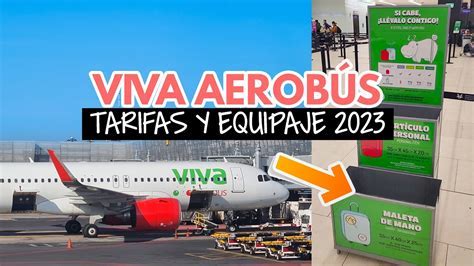
On paper, Viva Aerobus offers impressively low fares. However, the base fare model often excludes essentials that most travelers consider standard, such as carry-on baggage, printed boarding passes, and seat selection. These hidden costs quickly inflate the overall ticket price, especially for those unfamiliar with ultra-low-cost carrier policies.
Baggage Fee Breakdown:
Domestic Flights (Mexico):
- Carry-on: Included
- 1st Checked Bag: $10 – $18
- 2nd/3rd/4th Checked Bag: $33 – $61 each
Mexico to the U.S.:
- Carry-on: Included
- 1st Checked Bag: $20 – $36
- Additional Bags: $65 – $120 per item
Each checked bag is limited to 44 lb (19 kg) — a lower threshold than many other carriers. Passengers exceeding these limits often face steep penalties at the gate.
Tech Infrastructure: Poorly Designed App and Digital Touchpoints
Despite operating in a digital-first age, Viva Aerobus’s mobile app and website have garnered consistent complaints regarding functionality. From unreliable booking systems to non-operational ticket changes and app crashes, the platform often compounds travel problems instead of resolving them. Moreover, language options are limited, alienating non-Spanish speakers and hindering self-service.
When It Works: Praise from Budget Travelers
It’s worth noting that some passengers do report positive experiences. Travelers who understand the ultra-budget model, travel light, and experience no hiccups occasionally describe their flights as satisfactory. Some reviewers praised Viva Aerobus for punctual domestic routes, newer Airbus A320 aircraft, and affordable fare options that enable families to travel more frequently.
However, these successful journeys appear to be exceptions rather than the norm, and even satisfied customers often caution first-time flyers to read the fine print and brace for minimal support.
Final Verdict: Should You Fly Viva Aerobus?
Viva Aerobus is a gamble. For budget-conscious travelers who are fluent in Spanish, understand ultra-low-cost carrier rules, and are flexible with their plans, the airline might offer unbeatable prices on key Mexican and U.S. routes. However, for international passengers, families, or travelers on tight schedules, the risks — frequent delays, poor support, hidden fees, and logistical confusion — often outweigh the savings.
The data tells a stark story: with over 2,700 one-star reviews and countless stories of frustration and financial loss, Viva Aerobus has substantial operational and reputational hurdles to overcome. Until the airline addresses its customer service failings, tech limitations, and language accessibility, travelers seeking peace of mind may be better served by slightly more expensive, yet far more reliable, competitors like Aeroméxico or Clic.
Key Takeaway: If saving money is your top priority and you’re willing to navigate a bare-bones airline experience with minimal support and high variability, Viva Aerobus may be a fit. Otherwise, be prepared to pay more — in both money and patience — than you initially bargained for.