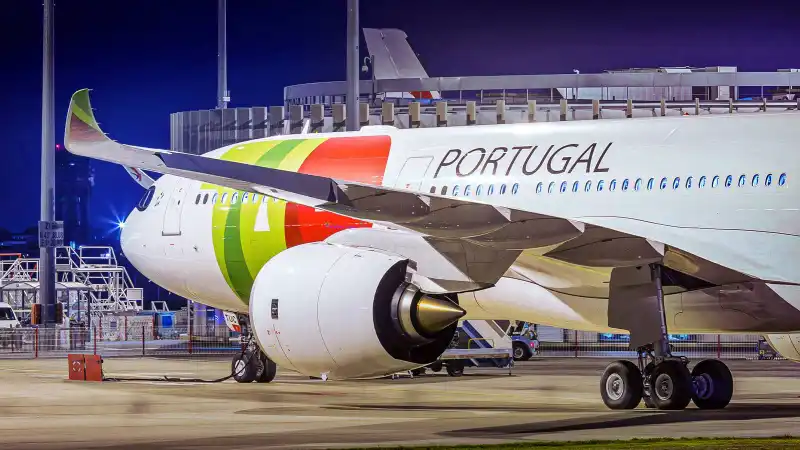
The Boeing 787 Dreamliner and the Airbus A330neo represent two very different approaches to modern widebody aircraft development. One was a clean-sheet revolution built around composite materials, advanced electrical systems, and efficiency improvements. The other was a careful evolution of an established airframe designed to extend the life of a proven platform. Yet, in one of aviation’s most unexpected twists, the aircraft that struggled to compete commercially became the source of technology that helped solve one of its rival’s biggest technical problems.
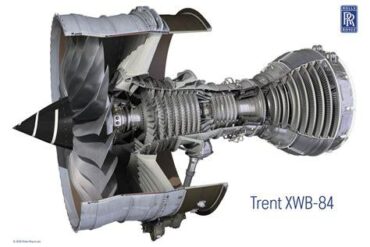
The story centers on Rolls-Royce, the British engine manufacturer that powered both aircraft families with different versions of its Trent engine. The Trent 7000, developed specifically for the Airbus A330neo, achieved a level of reliability that contrasted sharply with the early struggles of the Trent 1000, the engine selected by many Boeing 787 operators.
The irony is difficult to ignore. The A330neo was partially overshadowed by the success of the 787 Dreamliner, but the engineering lessons learned from its engine helped Rolls-Royce repair the very powerplant that had damaged its reputation among Dreamliner operators. The technology transfer from the Trent 7000 to the upgraded Trent 1000XE became a quiet example of how aviation development often advances through unexpected connections.
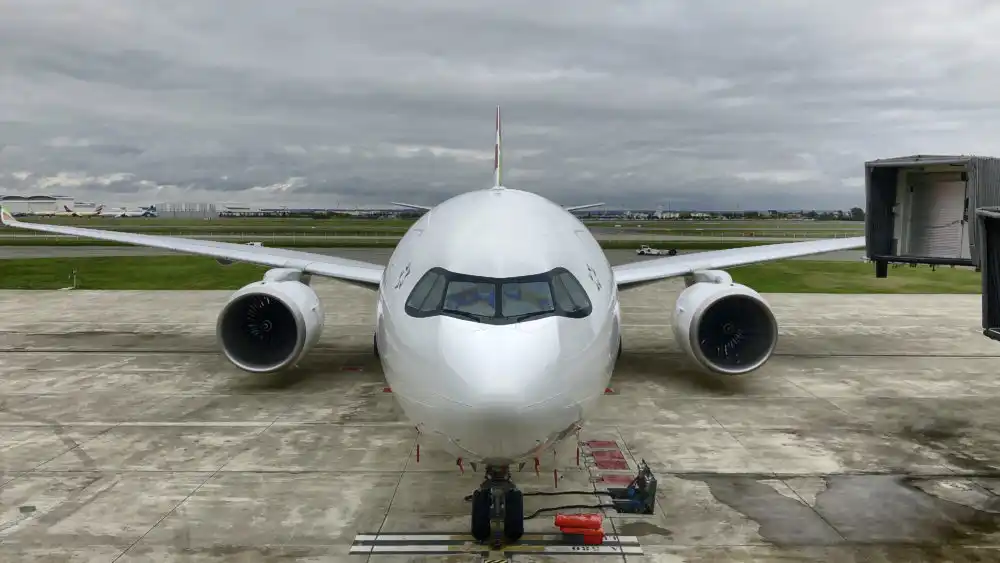
The Airbus A330neo Lost the Market Battle but Won an Engineering Victory
When Boeing introduced the 787 Dreamliner in 2004, it immediately changed expectations for commercial aviation. The aircraft introduced a new generation of widebody design, using approximately 50% composite materials by weight and replacing many traditional hydraulic systems with more efficient electrical architecture.
For Airbus, the announcement created a serious challenge. The company had been relying heavily on the successful A330 family while focusing resources on larger projects such as the Airbus A380. Instead of developing an entirely new aircraft immediately, Airbus created the A330neo, a modernized version of its existing twin-engine widebody.
The A330neo featured new wings, updated aerodynamics, and a completely new engine option. However, compared with the technological leap represented by the 787, the aircraft appeared more like an improvement of an older design rather than a revolutionary replacement.
The market response reflected that perception. Boeing accumulated thousands of orders for the 787 Dreamliner, while the A330neo struggled to achieve similar sales momentum. The Dreamliner’s combination of lower fuel consumption, improved passenger comfort, and advanced materials made it attractive to airlines seeking long-term efficiency.
However, the A330neo had one major advantage: Rolls-Royce had more time to refine its engine technology.
The A330neo’s familiar aluminum airframe allowed engineers to concentrate heavily on improving the propulsion system. Unlike the aggressive development challenges surrounding the 787 program, the A330neo’s lower-risk approach gave Rolls-Royce the opportunity to optimize the Trent 7000 from the beginning.
That decision would later prove extremely valuable.
The Trent 7000 Became Rolls-Royce’s Reliability Benchmark
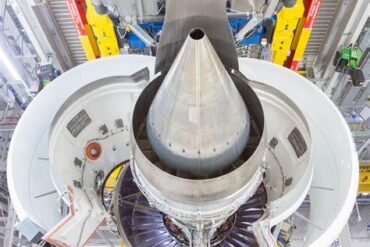
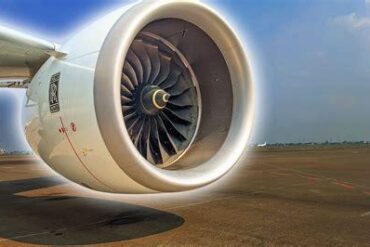
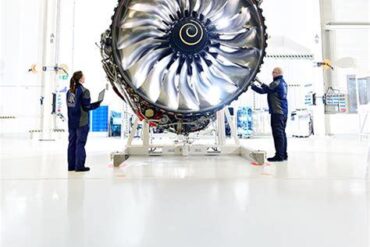
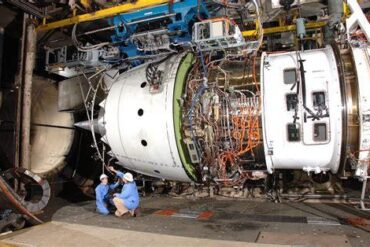
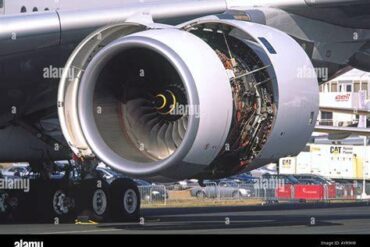
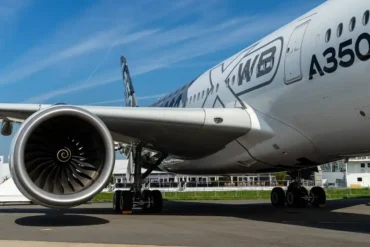
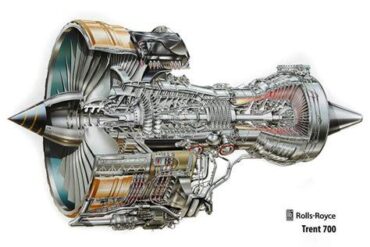
The Rolls-Royce Trent 7000 was designed as the exclusive engine option for the Airbus A330neo. Based on the architecture of the Trent 1000 used on the Boeing 787, it incorporated years of experience while introducing important improvements.
One of the most significant upgrades involved the high-pressure turbine blade cooling system. Turbine blades operate in some of the most extreme environments inside a jet engine, exposed to temperatures that exceed the melting point of the materials themselves. Effective cooling is essential for preventing fatigue, cracking, and premature failure.
The Trent 7000 demonstrated impressive durability in airline operations. According to industry reports, the engine accumulated more than one million continuous flying hours without in-flight disruptions, achieving nearly complete dispatch reliability.
This performance placed the engine among the most dependable modern widebody powerplants. It also highlighted a major contrast with the earlier Trent 1000 program, where operators experienced repeated maintenance challenges.
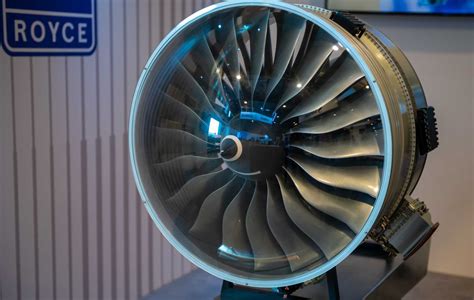
The success of the Trent 7000 was not simply the result of one improvement. Rolls-Royce refined multiple areas of the engine, including thermal management, component durability, and operating efficiency. These improvements created a stronger foundation for future versions of the Trent family.
Eventually, engineers recognized that the same solutions could address the weaknesses affecting the Dreamliner engine.
The Boeing 787 Trent 1000 Crisis Created a Major Challenge for Rolls-Royce
The Trent 1000 engine crisis became one of the most serious problems Rolls-Royce faced in modern commercial aviation.
The first major issue appeared in 2016 when operators discovered microscopic cracks developing in the high-pressure turbine blades. Launch customer All Nippon Airways (ANA) was among the airlines affected. If the problem had not been detected and corrected, damaged turbine blades could have created the possibility of severe engine failures.
The problem quickly expanded beyond individual aircraft. Airlines around the world experienced unexpected maintenance requirements, with some Dreamliners temporarily removed from service while engines were inspected and repaired.
Rolls-Royce faced enormous financial consequences. The company spent billions of dollars addressing the issues, while airlines dealt with operational disruptions, replacement aircraft costs, and scheduling problems.
But the turbine blade problem was only the beginning.
Engineers later identified additional concerns in other sections of the Trent 1000. Certain intermediate-pressure compressor blade vibrations caused fatigue problems under specific operating conditions. Another issue involved premature wear in components associated with fuel control, creating additional maintenance requirements.
For airlines, reliability is just as important as fuel efficiency. A highly efficient aircraft loses much of its economic advantage if its engines require frequent removals and repairs.
The situation also benefited competitors. Many Boeing 787 customers selected the General Electric GEnx-1B instead of Rolls-Royce engines. GE eventually captured a dominant share of the 787 engine market, while Rolls-Royce worked to rebuild confidence.
How the Airbus A330neo Engine Solved the Boeing 787 Problem
The solution came from an unexpected source: the Trent 7000 engine developed for the Airbus A330neo.
Rather than applying small adjustments to the Trent 1000, Rolls-Royce developed a much deeper durability improvement program. Engineers transferred key technologies from the Trent 7000, creating the improved Trent 1000XE standard.
The most important change involved the turbine cooling system.
The upgraded engine introduced improvements that increased cooling airflow by approximately 40%, helping reduce the thermal stress that caused turbine blade deterioration. By controlling temperatures more effectively, the engine could operate longer without requiring premature maintenance.
This engineering approach demonstrated how technology developed for one aircraft platform could benefit another. Although the A330neo and 787 were competitors in the passenger aircraft market, their engines shared enough DNA that solutions from one program could improve the other.
The irony was remarkable. The A330neo had entered the market partly as a response to the 787, but its engine technology eventually helped protect the Dreamliner’s long-term success.
The upgraded Trent 1000XE also improved performance in demanding environments, including longer high-thrust operations and challenging airport conditions where dust and debris could accelerate wear.
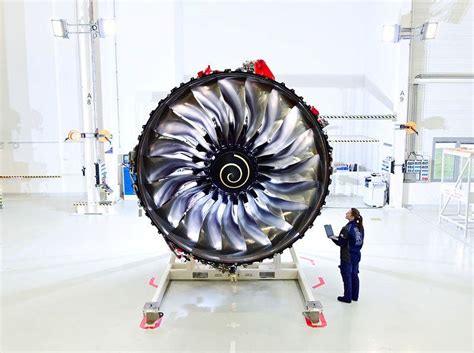
Rolls-Royce Rebuilt the Trent 1000 Through a Global Maintenance Program
Fixing the Trent 1000 required more than installing new engines on future aircraft. Thousands of engines already flying around the world needed upgrades.
Through its TotalCare support network, Rolls-Royce developed a comprehensive refurbishment strategy. When affected engines entered maintenance facilities, technicians removed the high-pressure core and replaced critical components with updated versions.
The result was essentially a transformed engine. After receiving the upgrade package, older Trent 1000 engines could achieve durability levels much closer to the factory-new Trent 1000XE.
This approach was essential because airlines could not simply replace entire fleets. The global 787 fleet had become a major part of international aviation, and operators needed a practical solution that restored reliability without massive aircraft replacement programs.
The recovery process was also important for Rolls-Royce’s financial survival. During the worst period of the crisis, reduced flying hours meant lower service revenue, while repair obligations increased costs.
The company underwent significant restructuring and leadership changes as it attempted to recover from the financial pressure. However, the successful development of the Trent 1000XE helped restore confidence in Rolls-Royce’s commercial engine business.
The Dreamliner Benefited From Better Engines and Higher Capability
The improved engine reliability arrived at an important time for Boeing’s 787 program.
The Dreamliner had already become one of the most successful widebody aircraft ever produced. Airlines valued its fuel efficiency, long-range capability, and passenger-focused cabin design.
However, improved engine durability made the aircraft even more attractive. Better time-on-wing performance reduced maintenance expenses and allowed operators to maximize aircraft availability.
The latest improvements also complemented Boeing’s increased maximum takeoff weight upgrades for certain 787 variants. The 787-9 and 787-10 received higher weight capabilities, allowing airlines to carry additional payload and operate longer routes.
For the 787-10 especially, engine improvements helped address one of the aircraft’s biggest challenges: range limitations compared with the smaller 787-9.
The combination of higher weight capability and improved Trent durability created a more capable aircraft platform. Airlines could use additional fuel capacity and payload without creating the same maintenance concerns that affected earlier engines.
Aviation’s Strange Lesson: Rivals Can Share the Same Success Story
The relationship between the A330neo and Boeing 787 demonstrates a fascinating reality of aircraft development. Competition between manufacturers does not prevent technology from crossing boundaries.
The Airbus A330neo did not achieve the commercial dominance many expected when Boeing launched the Dreamliner. The aircraft remained a niche product compared with newer composite widebodies.
Yet its engine became one of the most important contributors to improving the reliability of the 787’s Rolls-Royce-powered fleet.
The story also shows why aviation engineering requires patience. A technology that appears unsuccessful in one market can still create enormous value elsewhere.
The Trent 7000’s reliability achievements gave Rolls-Royce the foundation needed to rebuild the Trent 1000. The resulting Trent 1000XE helped transform a troubled engine into a more dependable powerplant capable of supporting the next phase of Dreamliner operations.
In the end, the A330neo did not defeat the Boeing 787 in the marketplace. Instead, it quietly helped solve one of the 787’s most difficult technical challenges.
Few aviation stories demonstrate irony better: the Airbus aircraft created to challenge the Dreamliner eventually helped make the Dreamliner stronger.