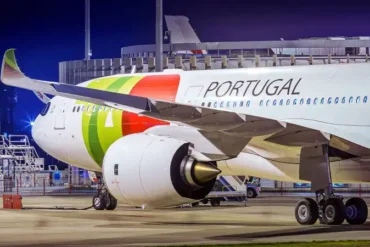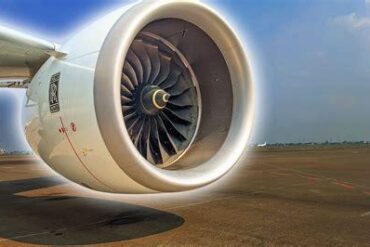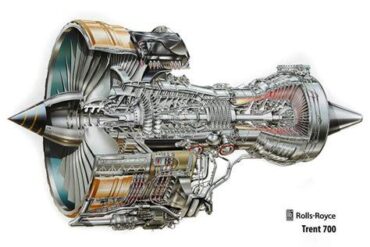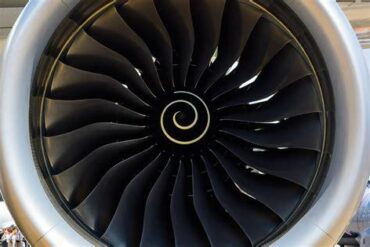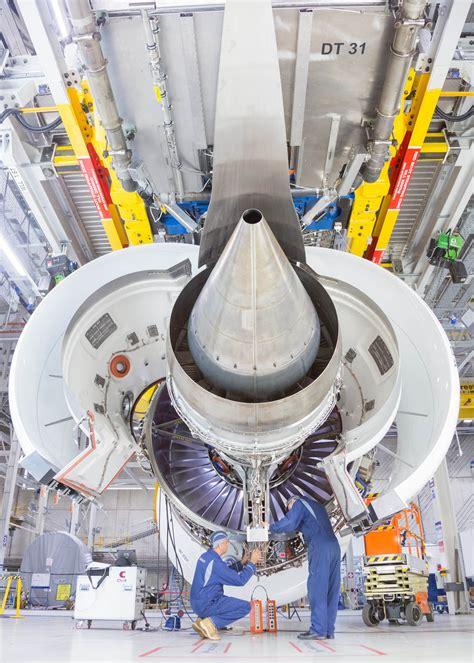
The Airbus A330neo, launched as a strategic evolution of an already beloved aircraft platform, is exclusively powered by the Rolls-Royce Trent 7000 engine. This decision is not one of technical limitation, but of deliberate engineering precision and business synergy. Airbus, in collaboration with Rolls-Royce, optimized the A330neo airframe around the Trent 7000’s specific performance characteristics to offer airlines a package of efficiency, reliability, and cost-effectiveness that no other engine currently replicates.
This engine-airframe exclusivity stems from a comprehensive design philosophy. The A330neo, while rooted in the proven A330ceo lineage, introduced a new generation of improvements meant to counter the competitive pressure from Boeing’s 787 Dreamliner. Instead of investing in a clean-sheet widebody design for the lower end of the market, Airbus chose a hybrid approach—incorporating advanced aerodynamics and cutting-edge engine technology—while maintaining operational and training commonality for airlines.
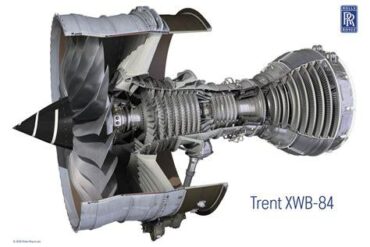
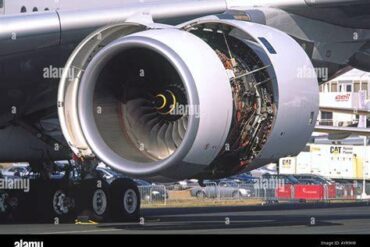
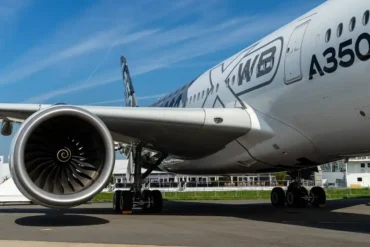
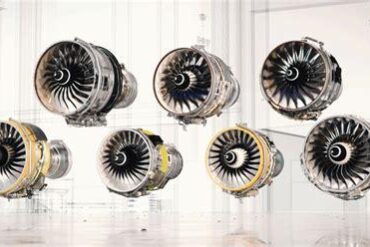
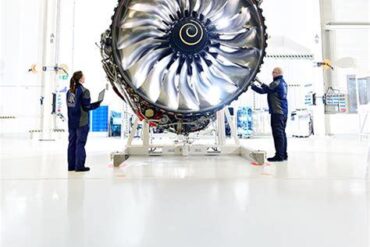
The Rolls-Royce Trent 7000 itself is a marvel of propulsion engineering. Derived from the core of the Trent XWB—Rolls-Royce’s highly successful engine on the A350—the Trent 7000 features a 112-inch titanium fan and a 10:1 bypass ratio, double that of its predecessor. This architecture leads to an 11% improvement in specific fuel consumption (SFC) and significantly lower noise levels. With thrust ratings tailored between 68,000 and 72,000 pounds, the engine aligns precisely with the A330neo’s mission profiles, from regional high-density hops to ultra-long-haul flights exceeding 17 hours.
The benefits are not merely theoretical. Since its introduction in 2018, the Trent 7000 has demonstrated exceptional real-world reliability, achieving 99.9% dispatch reliability as of March 2024. This figure alone justifies Airbus’ choice to forgo engine competition. A single-engine supplier also allowed Airbus to streamline development timelines, reduce certification complexity, and offer simplified maintenance logistics to customers.
Integrated Design and Commercial Efficiency
Airbus and Rolls-Royce didn’t stop at engine performance. They introduced an integrated parts procurement system, offering operators a seamless channel to source airframe and engine components. This tight integration ensures faster response times and lower operational disruptions, making the A330neo a turnkey solution for widebody fleet expansion.
Furthermore, the engine’s predictive health monitoring and ongoing durability enhancement packages contribute to extended “time on wing,” minimizing unplanned maintenance and increasing aircraft availability. These features significantly reduce the total cost of ownership and support the aircraft’s strong position in the market.
The strategic pairing of the A330neo with the Trent 7000 also addresses Airbus’ broader portfolio goals. The A350 family, designed as a clean-sheet competitor to the Boeing 787 and 777 series, was launched earlier and absorbs the flagship widebody role. By contrast, the A330neo serves as a cost-effective alternative for carriers requiring long-range capability without the overhead of operating larger or more complex aircraft.
This tiered strategy allowed Airbus to retire the underwhelming A350-800 and position the A330neo as the sweet spot between narrowbody range limitations and ultra-long-haul widebody capacity. Its familiar airframe, now enhanced, becomes a logical next step for operators of legacy A330 aircraft, ensuring continuity in training, operations, and infrastructure.
Evolution Through Partnership and Innovation
The exclusive engine decision also reflects the deep and evolving partnership between Airbus and Rolls-Royce, a collaboration that extends beyond the A330neo. Their joint projects, such as the UltraFan demonstrator and the now-concluded E-Fan X electric hybrid program, represent significant strides toward the aerospace industry’s 2050 net-zero emissions target. These initiatives lay the groundwork for future aircraft propulsion systems—potentially including hybrid-electric and hydrogen technologies—that will benefit from the integrated design and certification experience gained on the A330neo.
Since entering service, the A330neo has garnered over 450 confirmed orders, with key operators such as Delta Air Lines, Cathay Pacific, Etihad Airways, and Virgin Atlantic integrating the aircraft into diverse mission sets. From short regional legs to long transcontinental hauls, the jet has proven itself remarkably adaptable, owing in no small part to the synergy between airframe and powerplant.
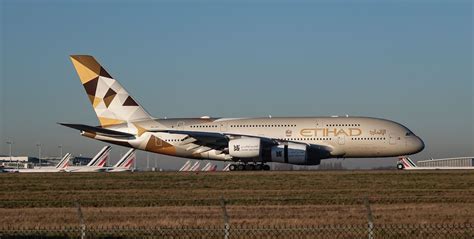
With future enhancements in the pipeline, including a higher MTOW variant and refined cabin upgrades under the Airspace cabin concept, Airbus is doubling down on the A330neo’s success. Far from winding down production, the manufacturer is actively ramping it up, ensuring the aircraft remains a competitive player for years to come.
The question of why the A330neo cannot be powered by any other engine type, then, is answered through a web of intentional design choices, performance optimization, and strategic alliances. The Trent 7000 is not simply an engine—it is the technological and operational keystone of the A330neo program. Replacing it would dismantle the efficiency, reliability, and economic balance that the platform was meticulously engineered to deliver. This is a case where the adage holds true: if it isn’t broken, don’t fix it.